-
Redmond Downtown Park and Bridges
Redmond Downtown Park
Redmond Downtown Park seamlessly integrates a central lawn, vibrant plazas, and modern pathways into the core of the neighborhood.
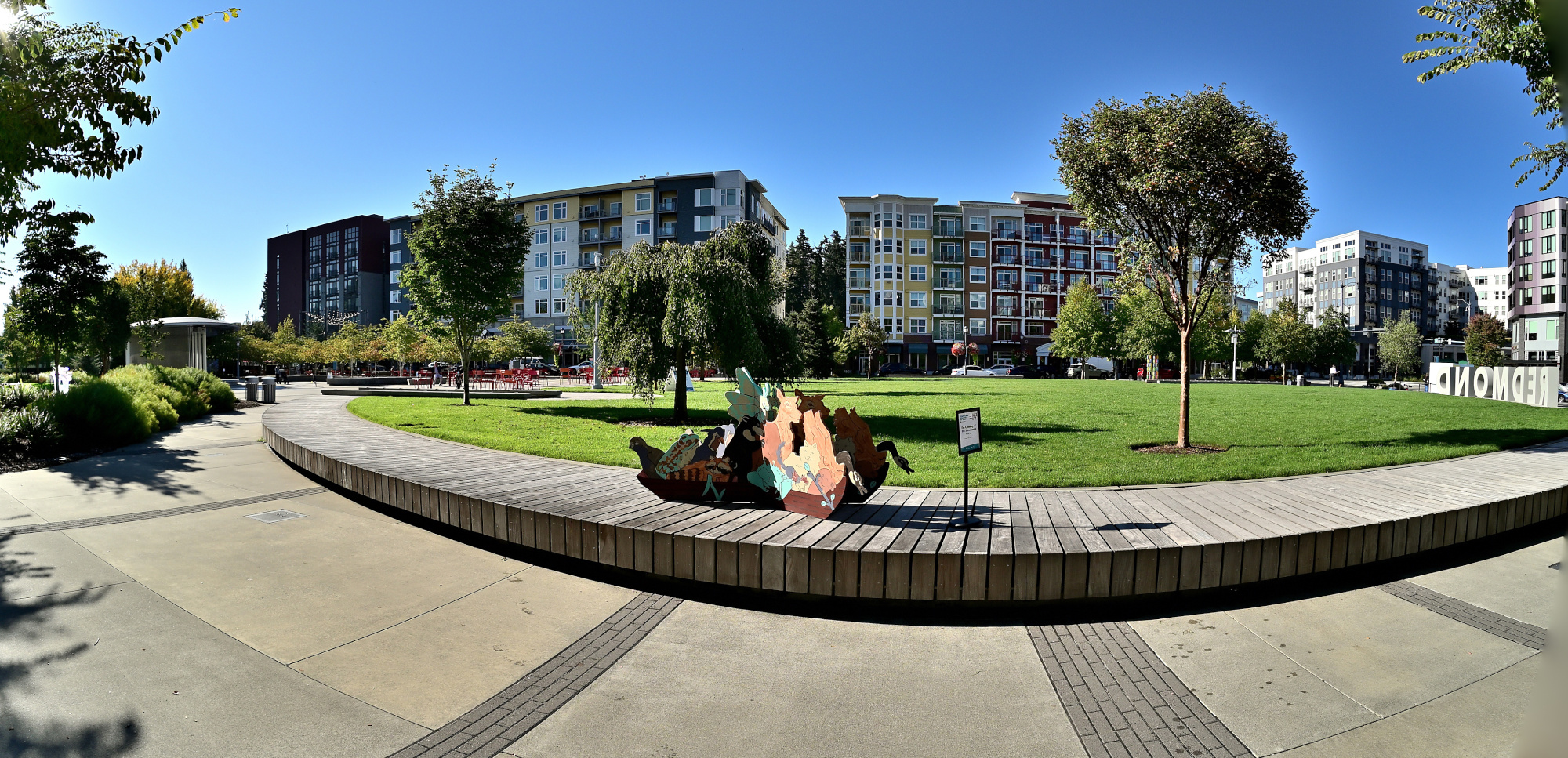
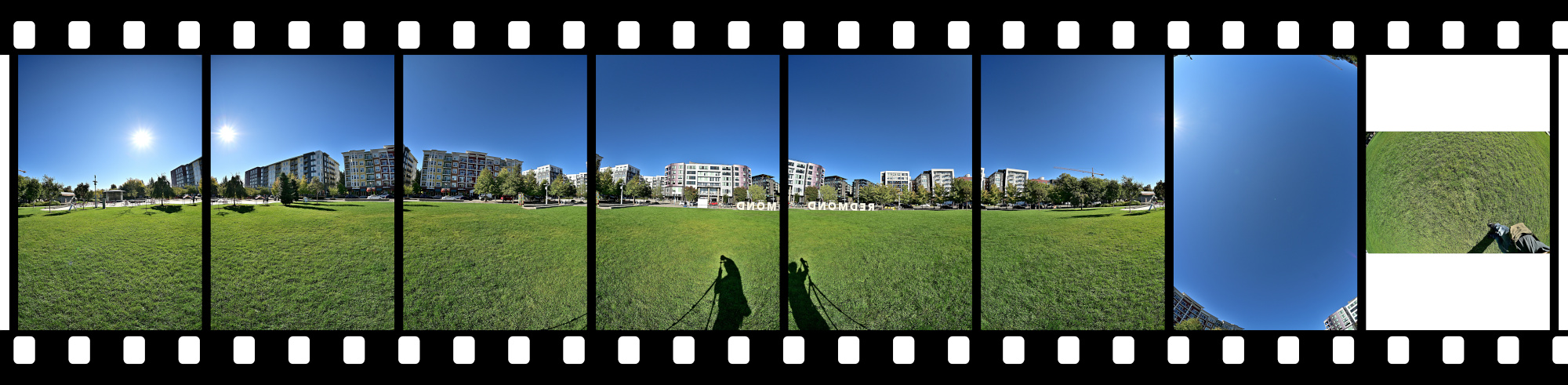
Interactive Panorama Redmond Downtown Park 1 360x180
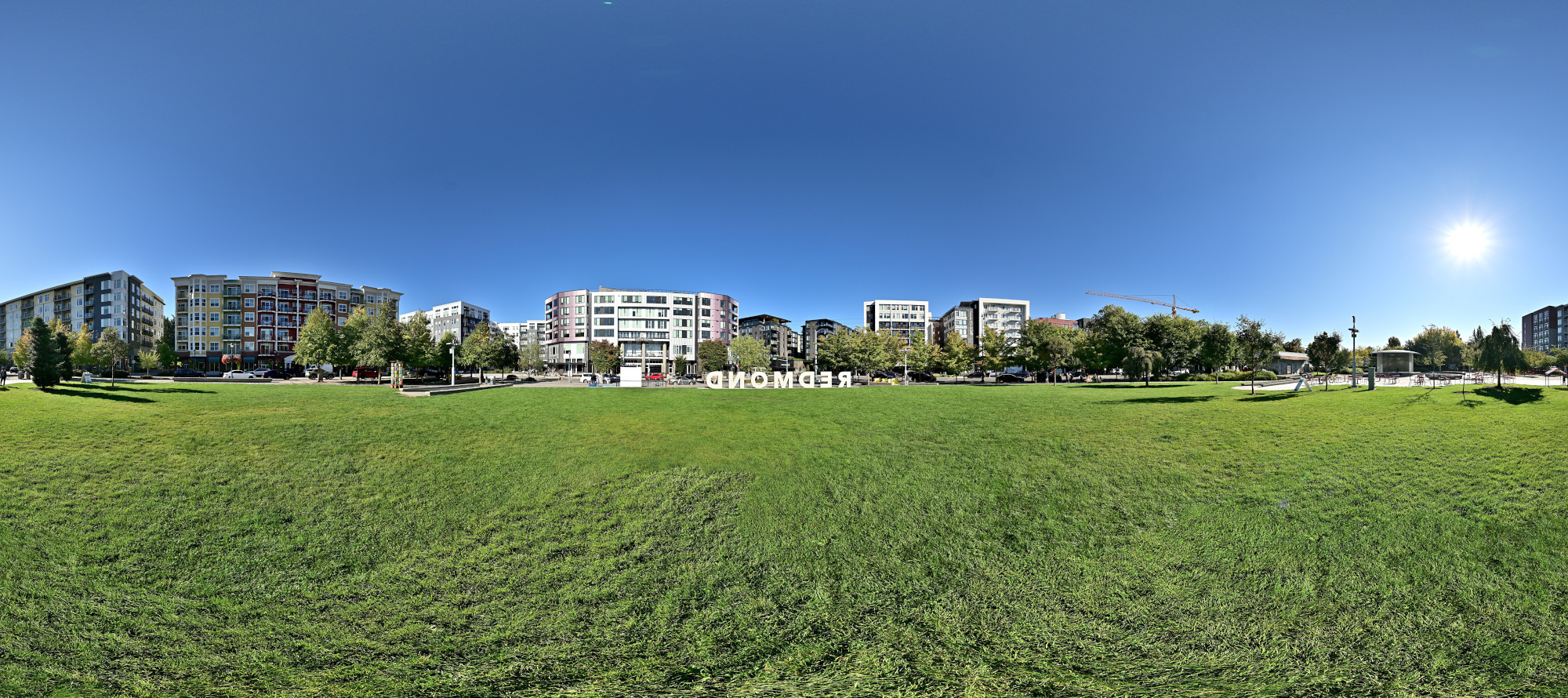
1/1000s f/5,6 ISO 100/21° f=7,5mm
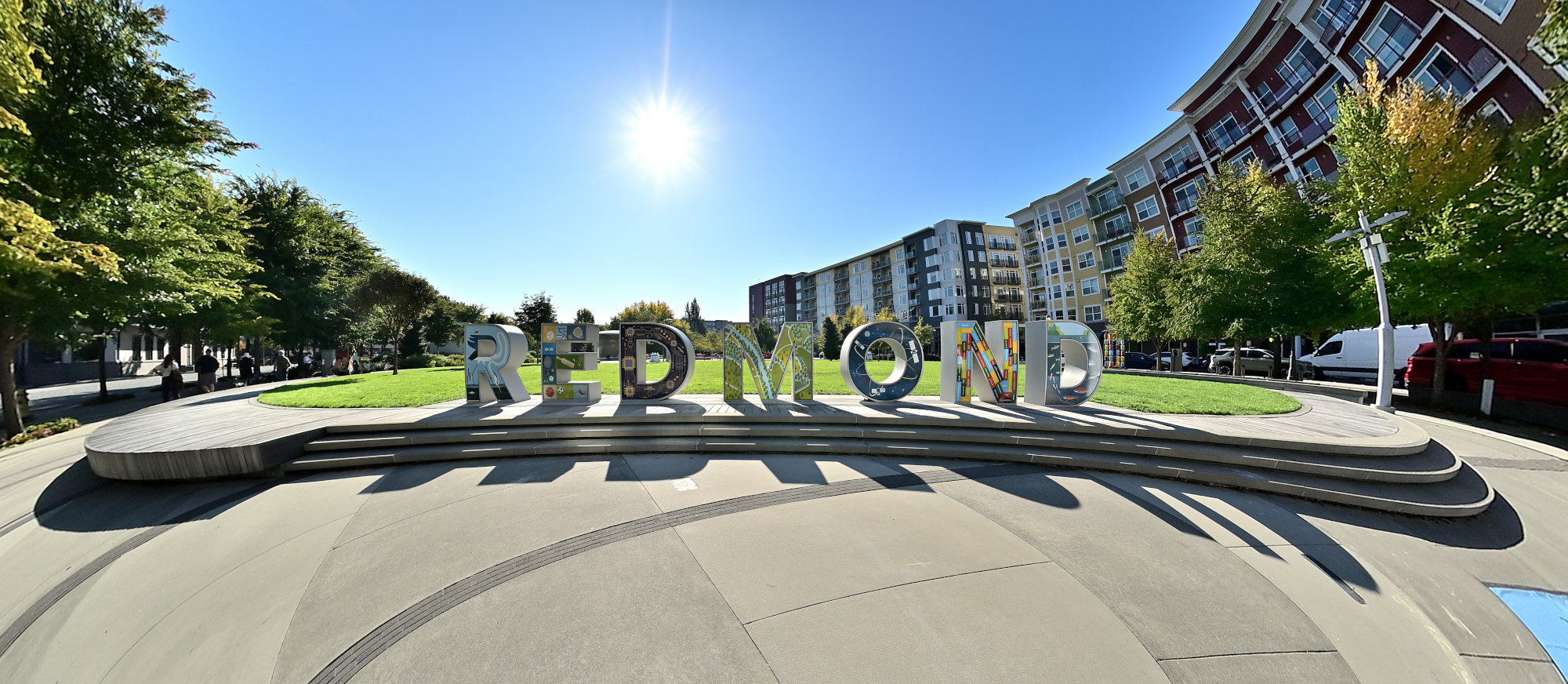
Projection is mirrored to correctly display the REDMOND letters.
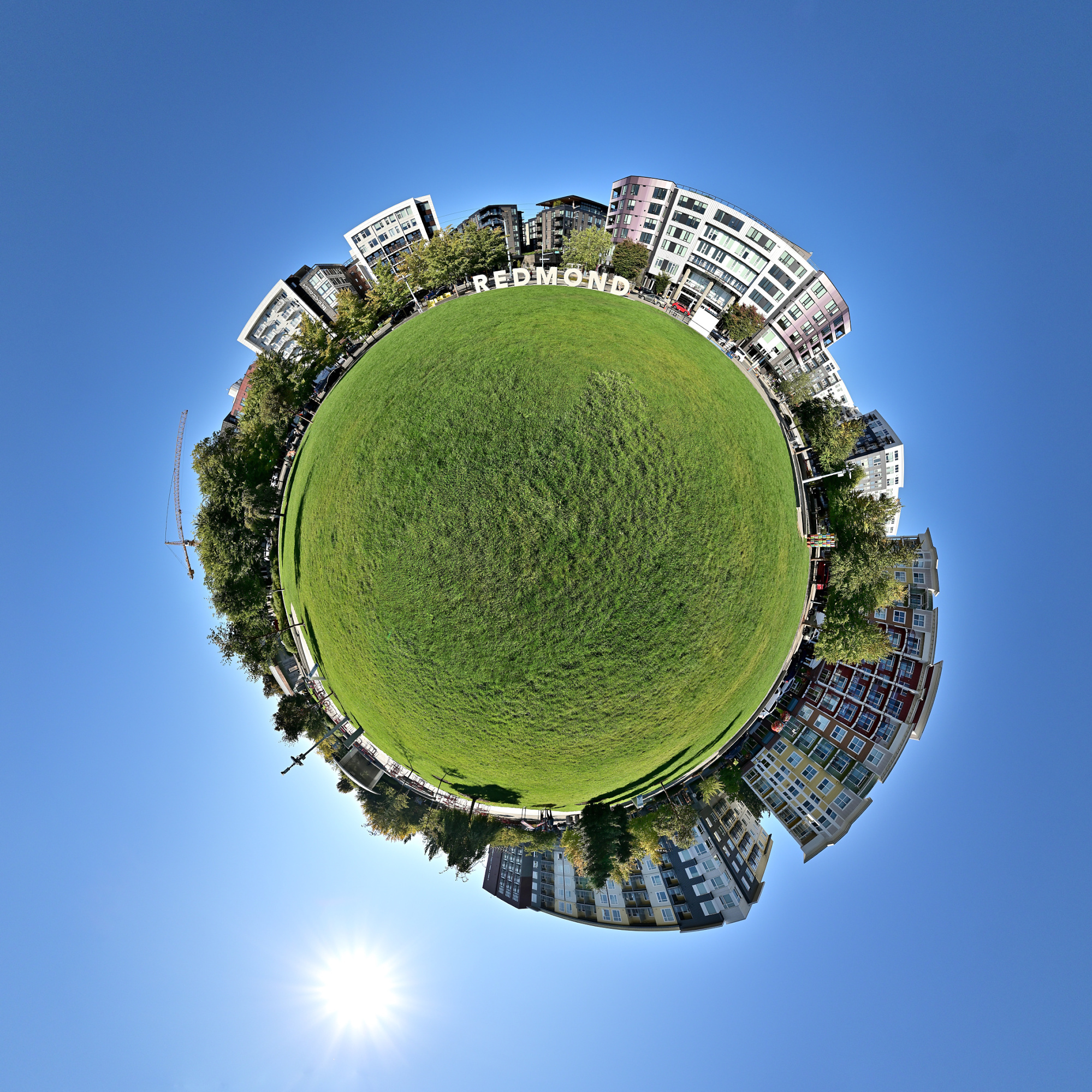
Original Projection
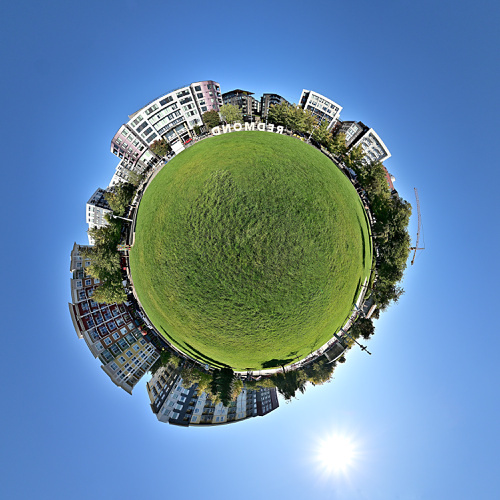
REDMOND Sign
This view highlights a prominent corner of the plaza featuring the city's striking "REDMOND" World Cup Legacy Sign. Permanently installed to commemorate the global soccer tournament's footprint in the Puget Sound region, the five-foot-tall concrete landmark is finished with vibrant, custom porcelain enamel overlays. The detailed artwork across each massive letter visually celebrates local culture, innovation, nature, and community inclusion.Interactive Panorama Redmond Downtown Park 2 360x180
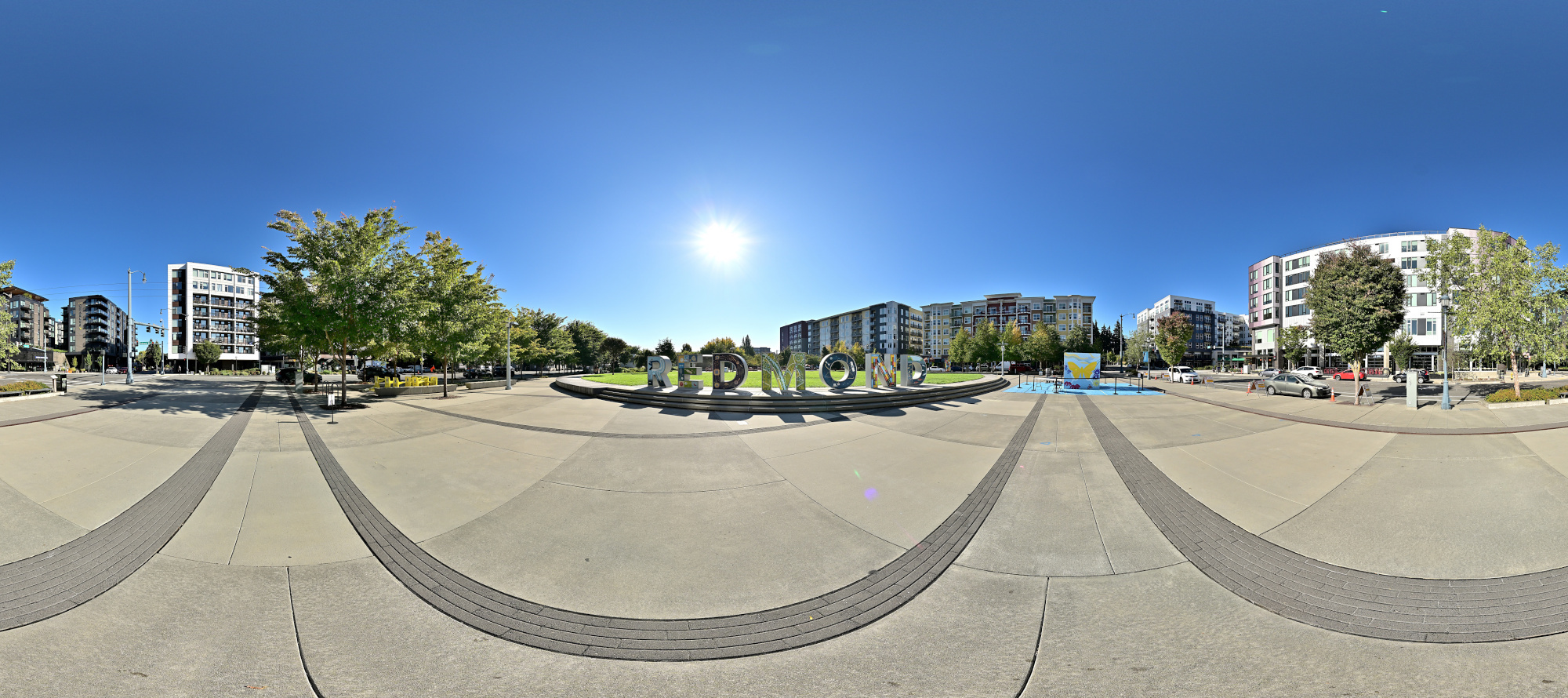
1/800s f/5,6 ISO 100/21° f=7,5mm
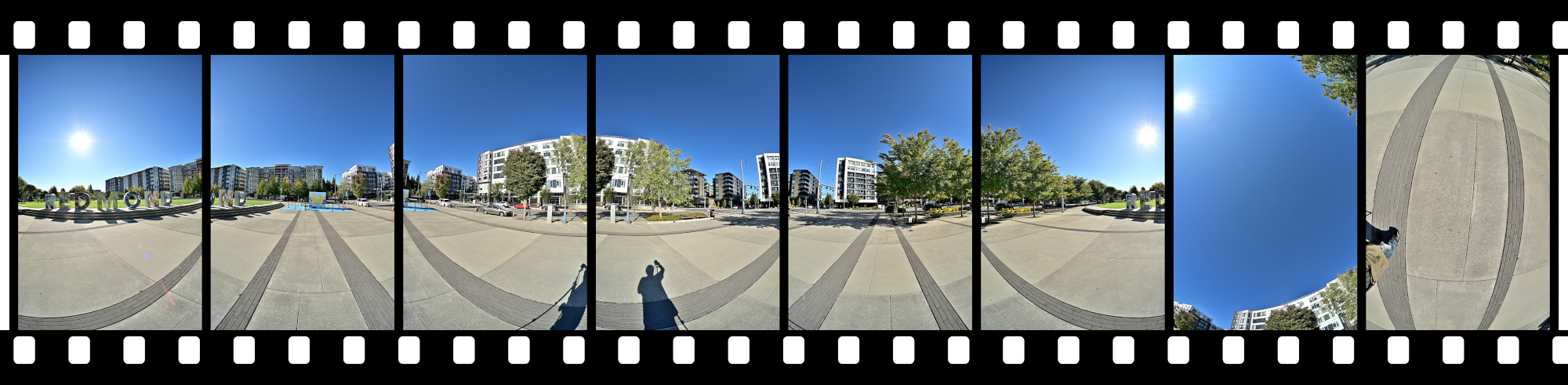
The World around Redmond.
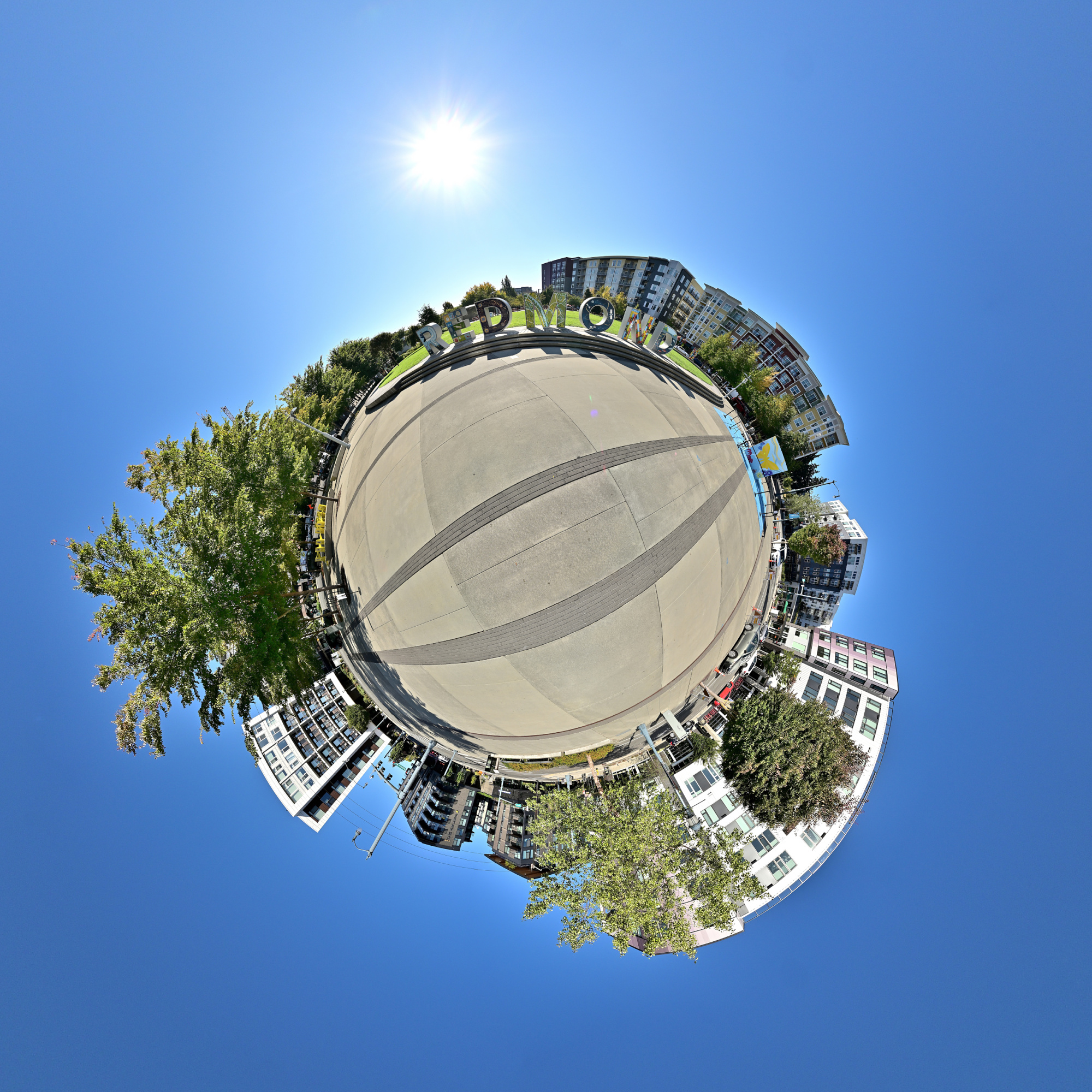
Transversal Mercator Projection straightens out REDMOND.
Buoyant Pavilion
My panorama for the WWP event Deception features the Buoyant Pavilion in Redmond Downtown Park.
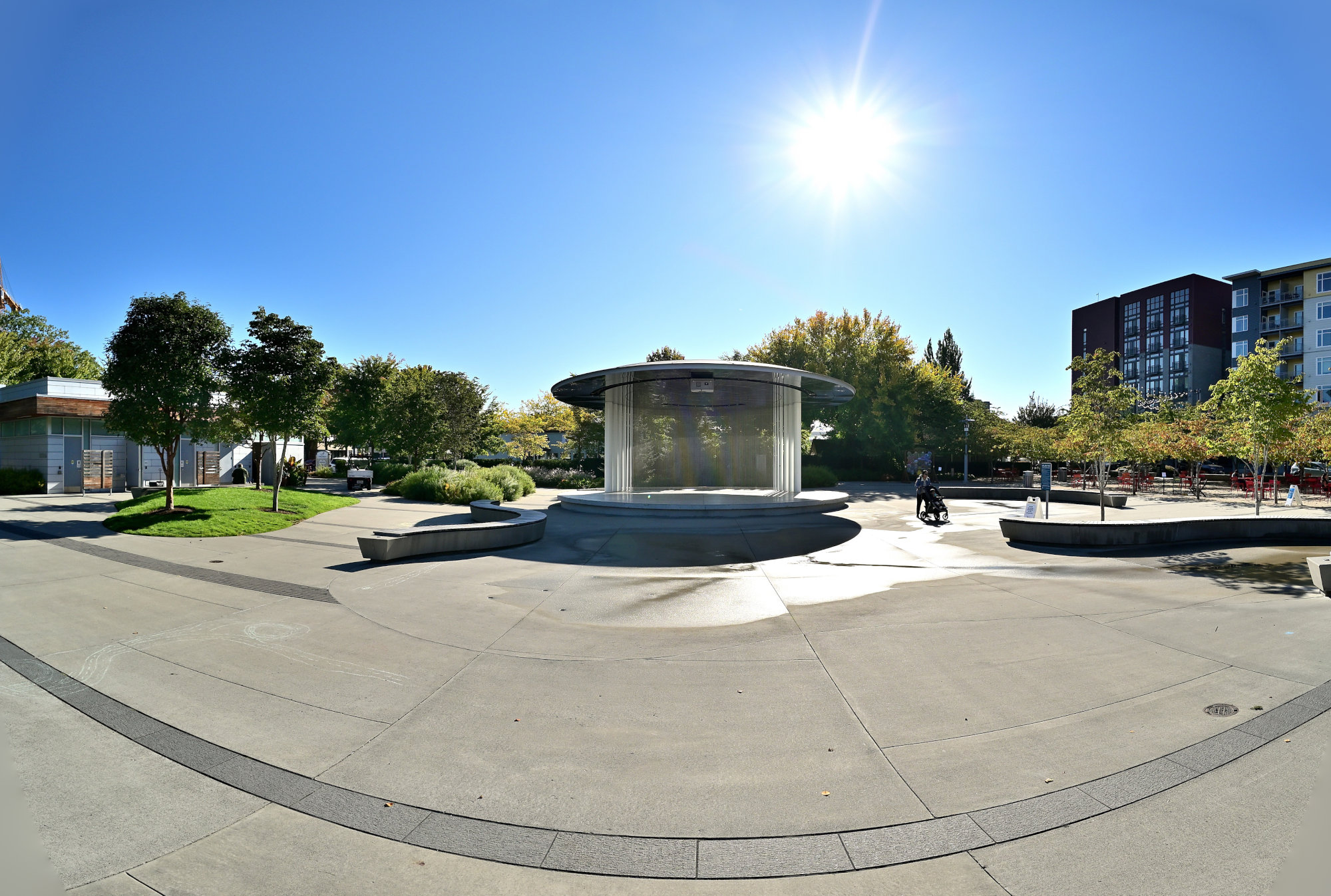
The Pavilion was designed by artist Jill Anholt, who wanted to create an inhabitable sculpture that bridges Redmond's history and its tech-driven future. The concept is inspired by the historic wetlands landscape that once existed on this very site, which is represented by the reflective water surfaces and floating elements.
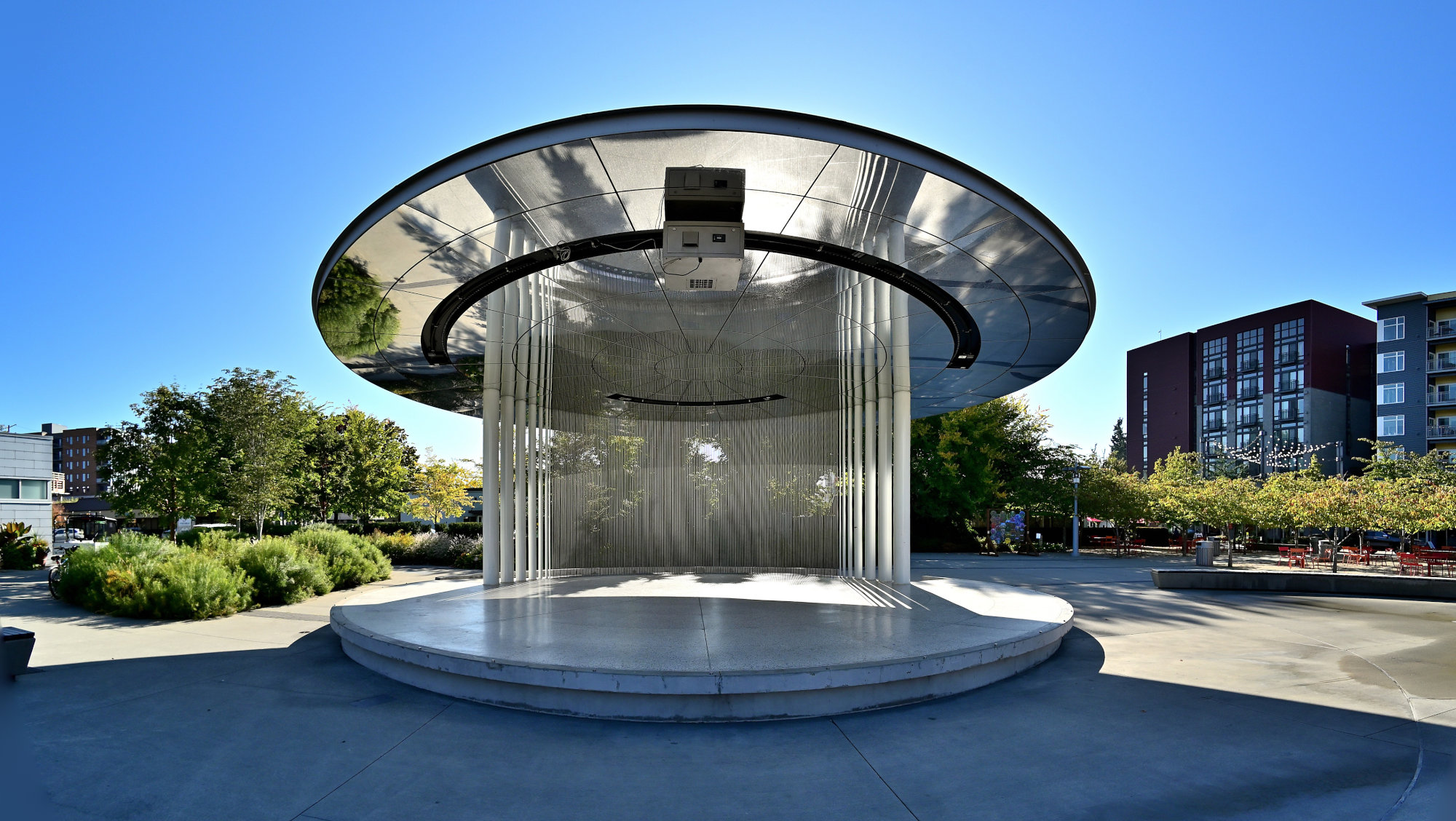
Anholt mixed this history with Redmond's modern identity as a major digital hub. Standing directly under the massive mirrored ceiling, the real surroundings and the architecture blur.
In a quiet visual deception of space, the heavy structure appears weightlessly suspended over thin, water-rimmed rods, catching both the natural park setting and the city's energy in an infinite loop.
Interactive Panorama Buoyant Pavilion 1 360x180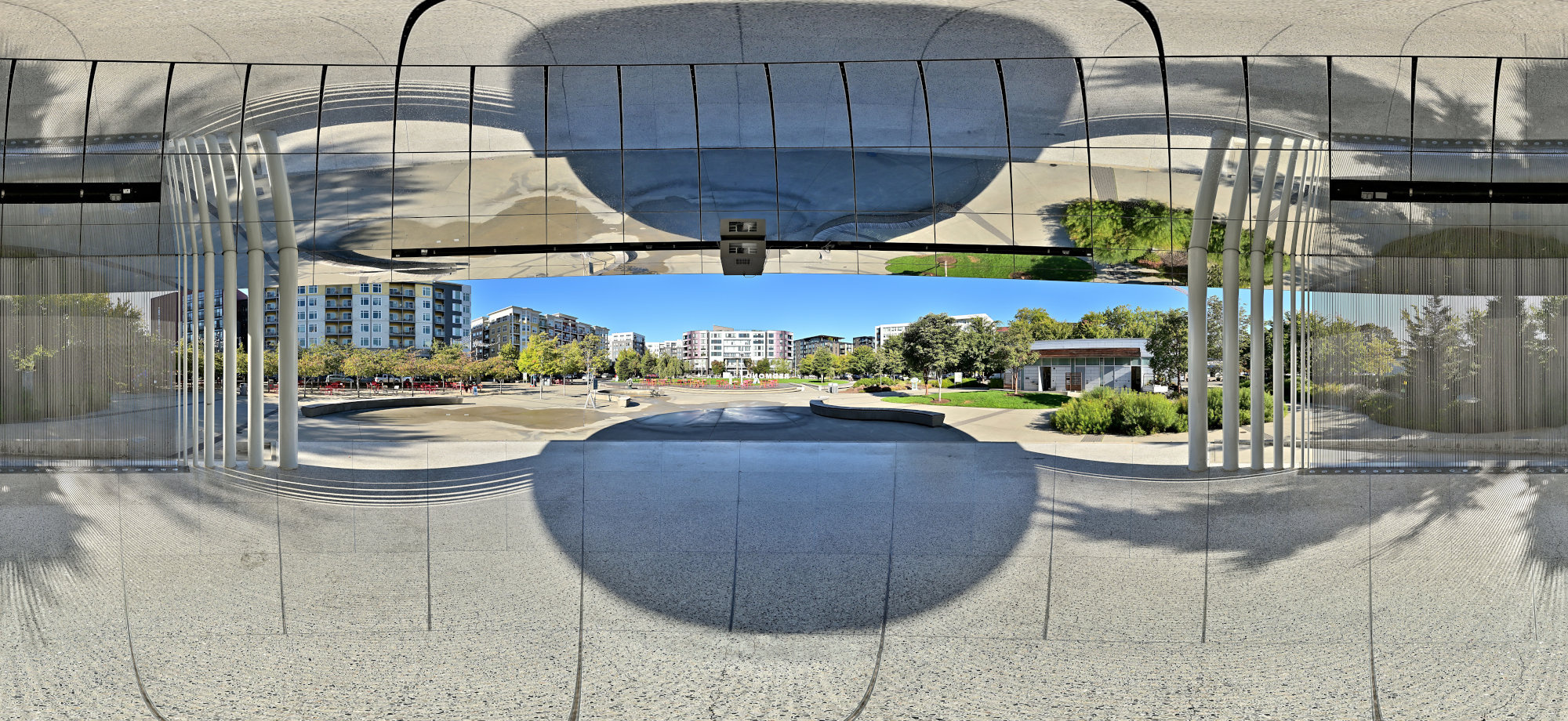
1/500s f/5,6 ISO 100/21° f=7,5mm
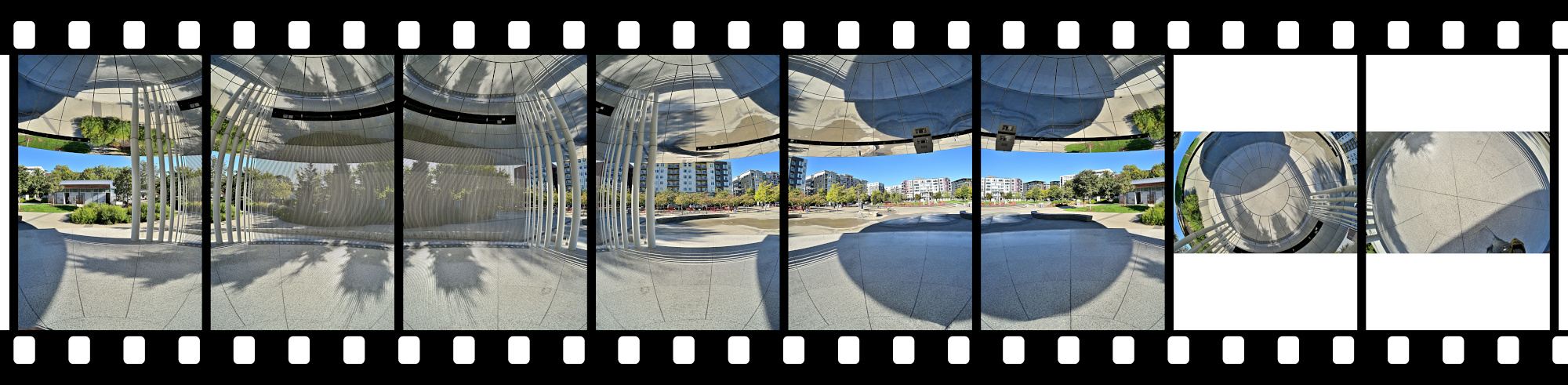
Looking through the stargate portal of the Buoyant Pavilion.
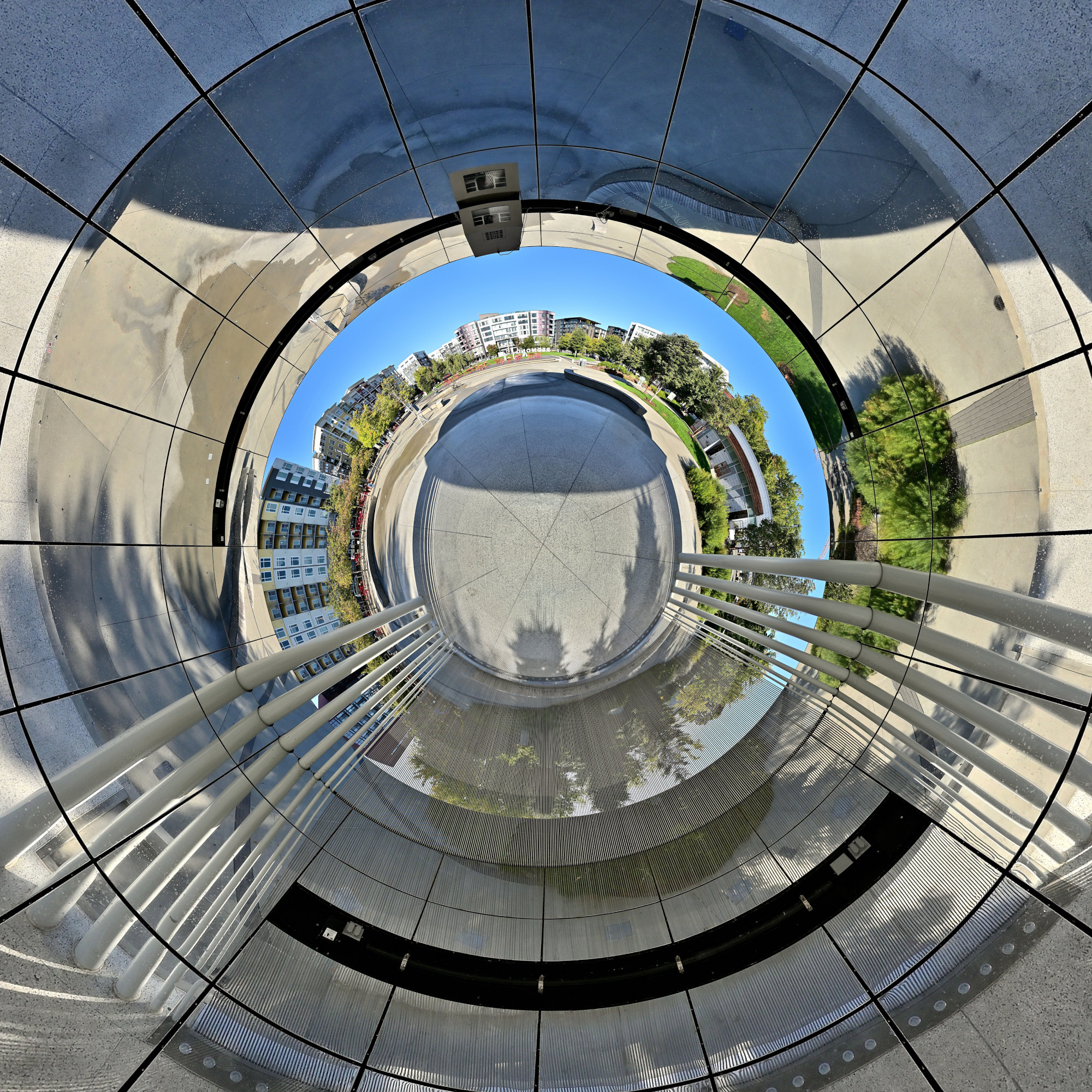
Interactive Panorama Buoyant Pavilion 2 360x180
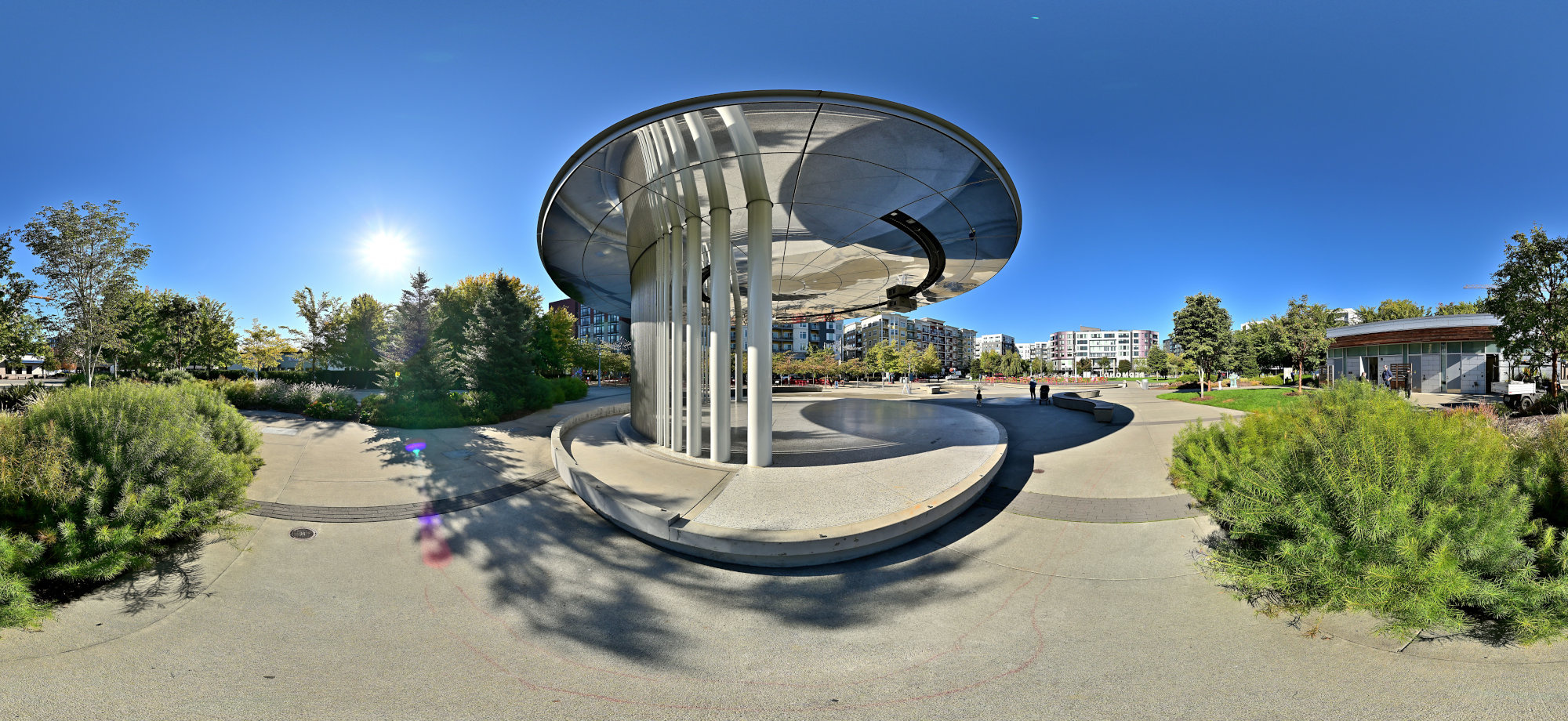
1/800s f/5,6 ISO 100/21° f=7,5mm

Planet Redmond. Composition: One pavilion, trees, and a bit of skyline.
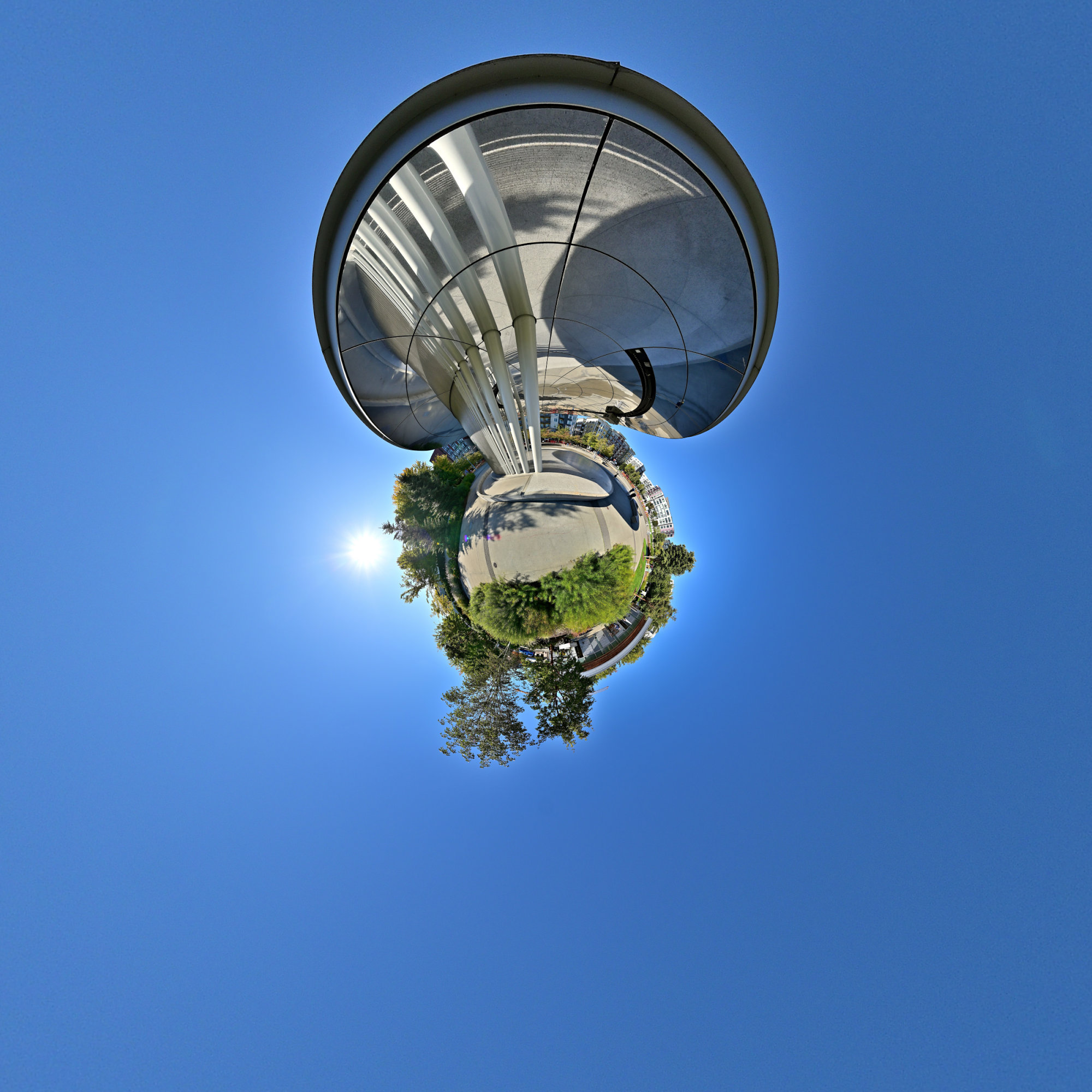
Sammamish River Trestle
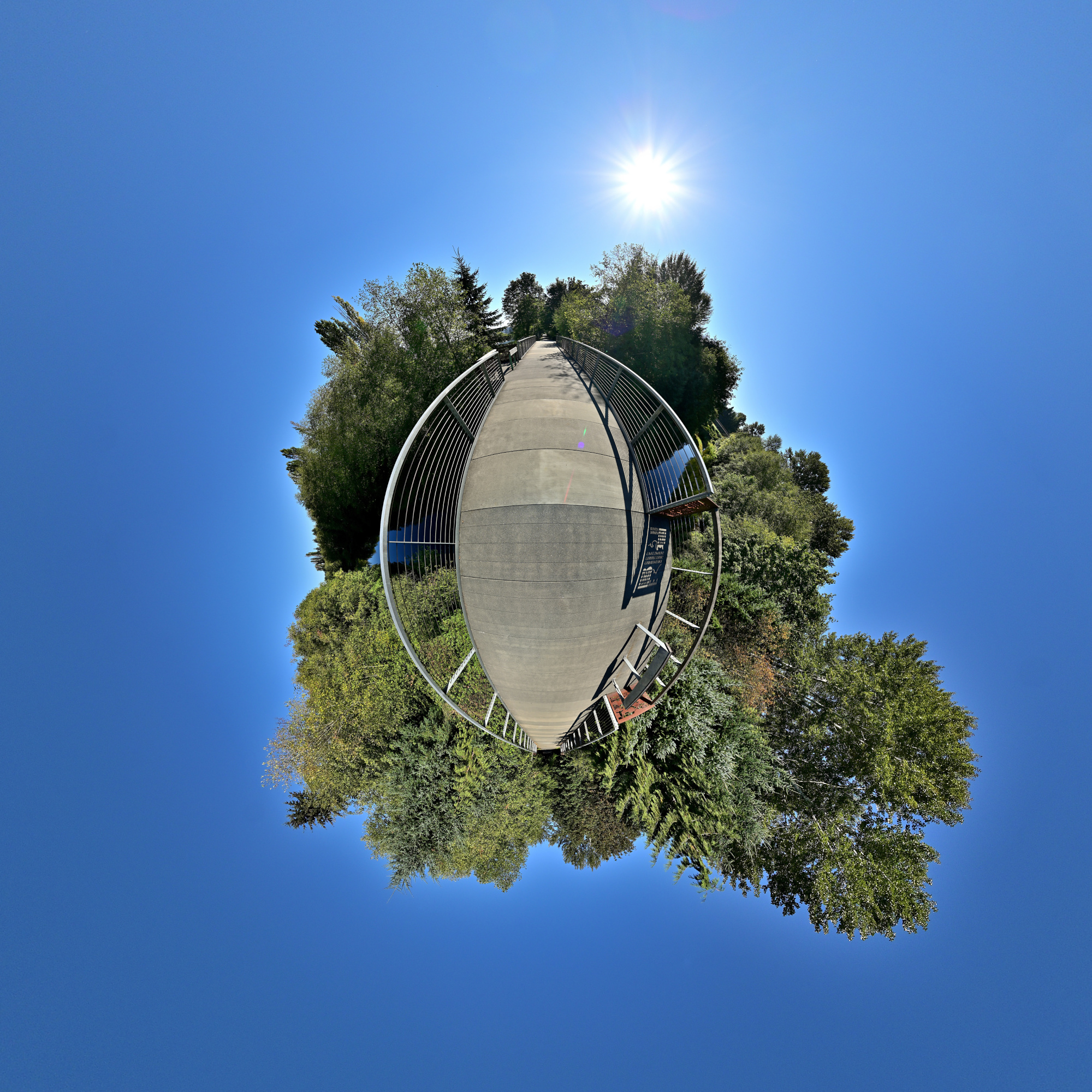
Once it was a railway bridge, built to haul heavy timber and freight across a changing landscape. Today, the Sammamish River Trestle serves a beautifully different purpose.
The view from this historic structure presents a peaceful illusion of absolute wilderness. It completely hides the surrounding Redmond tech hub behind dense trees and calm, slow-moving currents, effortlessly deceiving visitors into believing they are miles away from any urban environment.
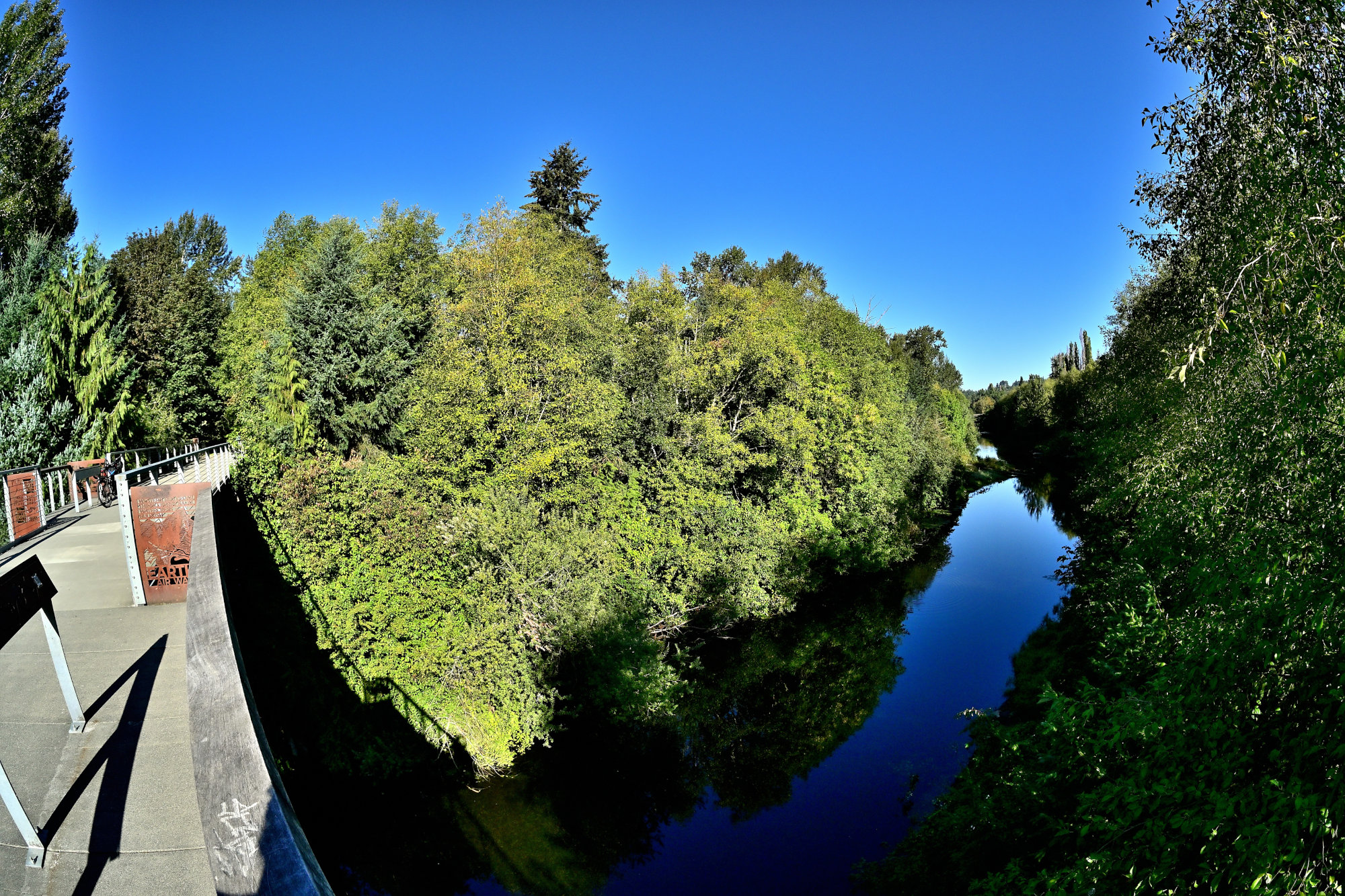
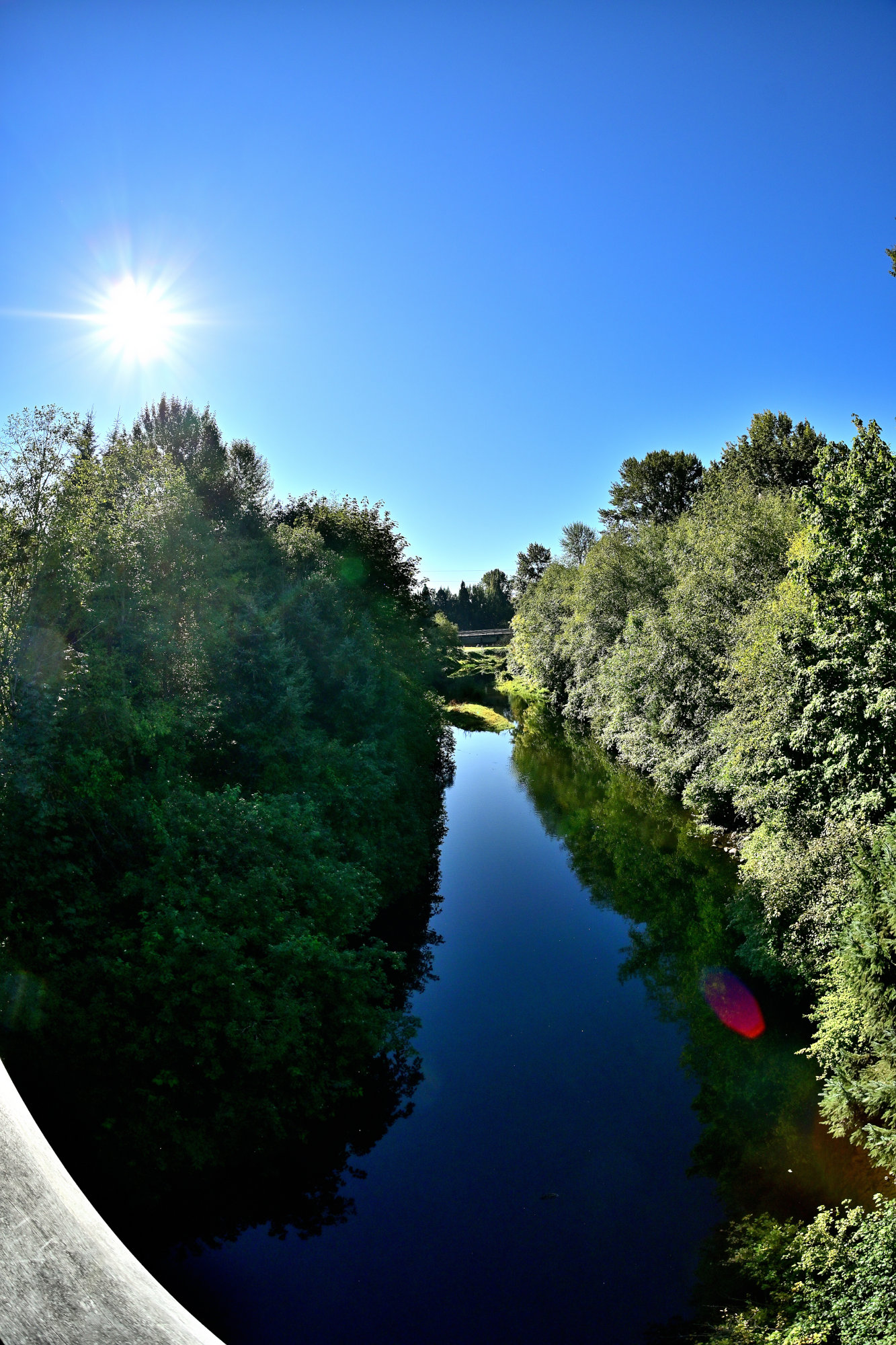
Trestles: Frames, Crossbeams, and Heritage
The word trestle originates from the Old French word trestel, meaning a crossbeam or a supporting frame, which was originally derived from the Latin transtrum for a beam. In engineering and architecture, a trestle is a rigid framework composed of short beams and slanted legs. These legs are often configured in a series of inverted V shapes called bents, which are designed to support an elevated bridge structure.
In the 19th and early 20th centuries, timber trestle bridges became iconic staples of American railroading. They were brilliant because they could be erected rapidly using local timber to span deep valleys, swamps, and rivers without requiring massive stone masonry or expensive ironwork.
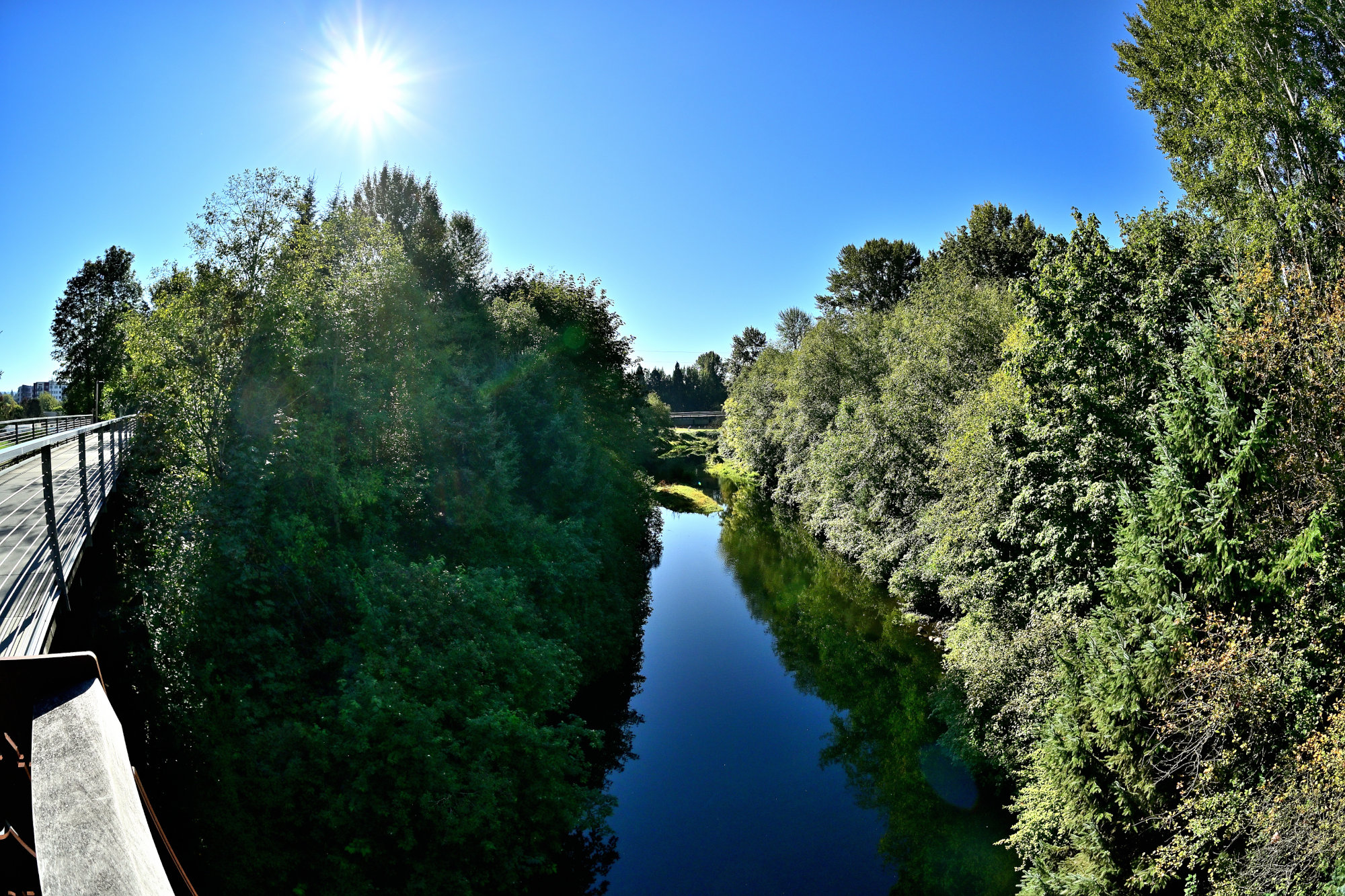
Bridging the Past and Present
The story of the Sammamish River Trestle begins in the late 1880s. Before the arrival of iron tracks, the marshy Sammamish Valley relied on slow water routes like pole-drawn barges and small steam-powered scows to transport goods. That changed in early 1888 when the Seattle, Lake Shore and Eastern Railway (SLS&E) pushed its tracks directly through Redmond.
The railway built this trestle over the river to overcome the challenging, flood-prone wetlands. For over 30 years, it acted as the lifeblood of Redmond's early economy, moving passengers and hauling massive loads of logs from the logging boom straight to local mills and global markets.
Eventually, as the logging era faded and alternative transport grew, commercial freight service dwindled and finally stopped by the early 2000s. Instead of being demolished, this piece of industrial history was preserved, retrofitted with pedestrian walkways, and seamlessly incorporated into the modern Sammamish River Trail network. Standing on it today, you are quite literally walking on the historic skeleton of the transportation line that put Redmond on the map.
Interactive Panorama Sammamish River Trestle 360x180
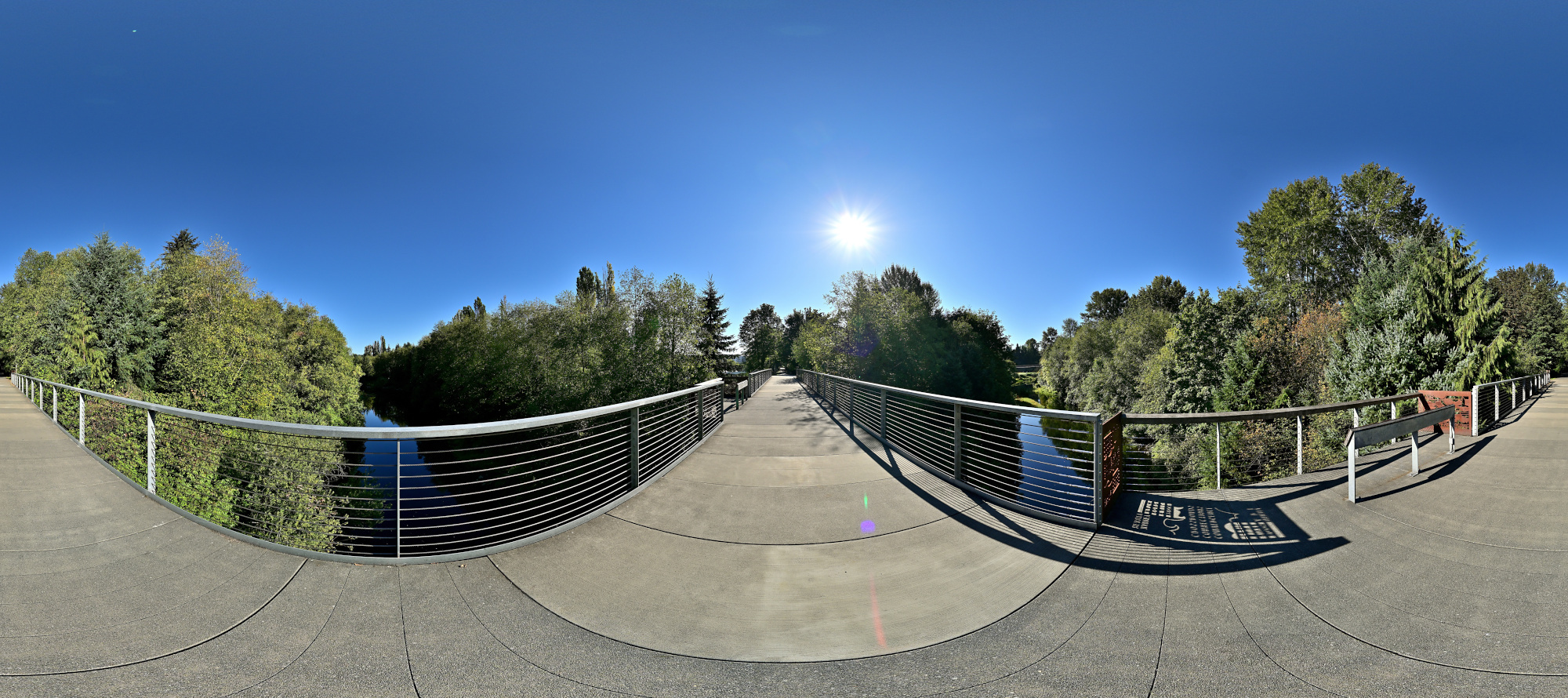
1/1000s f/5,6 ISO 100/21° f=7,5mm
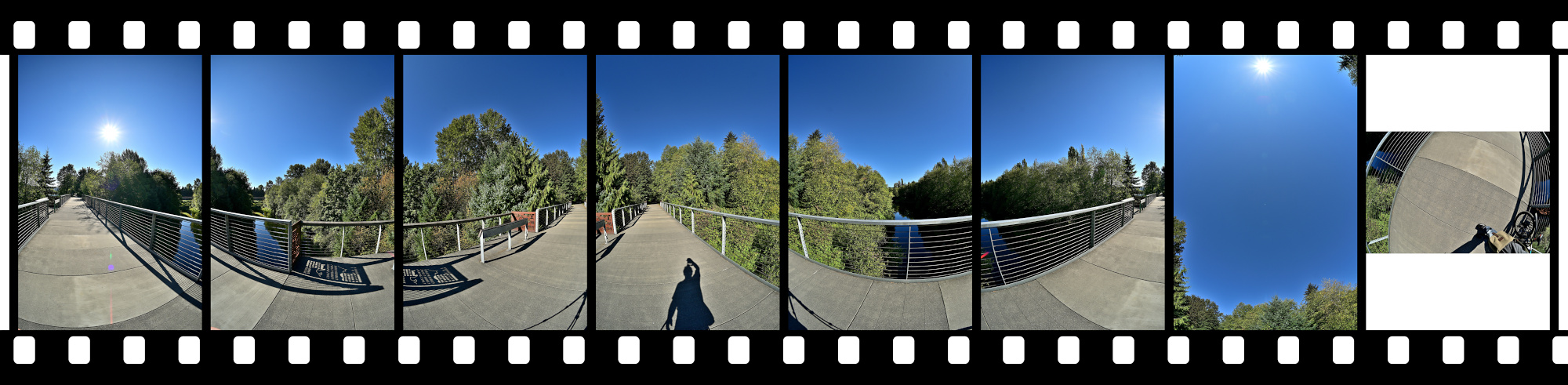
A bridge that spans the world of Redmond.
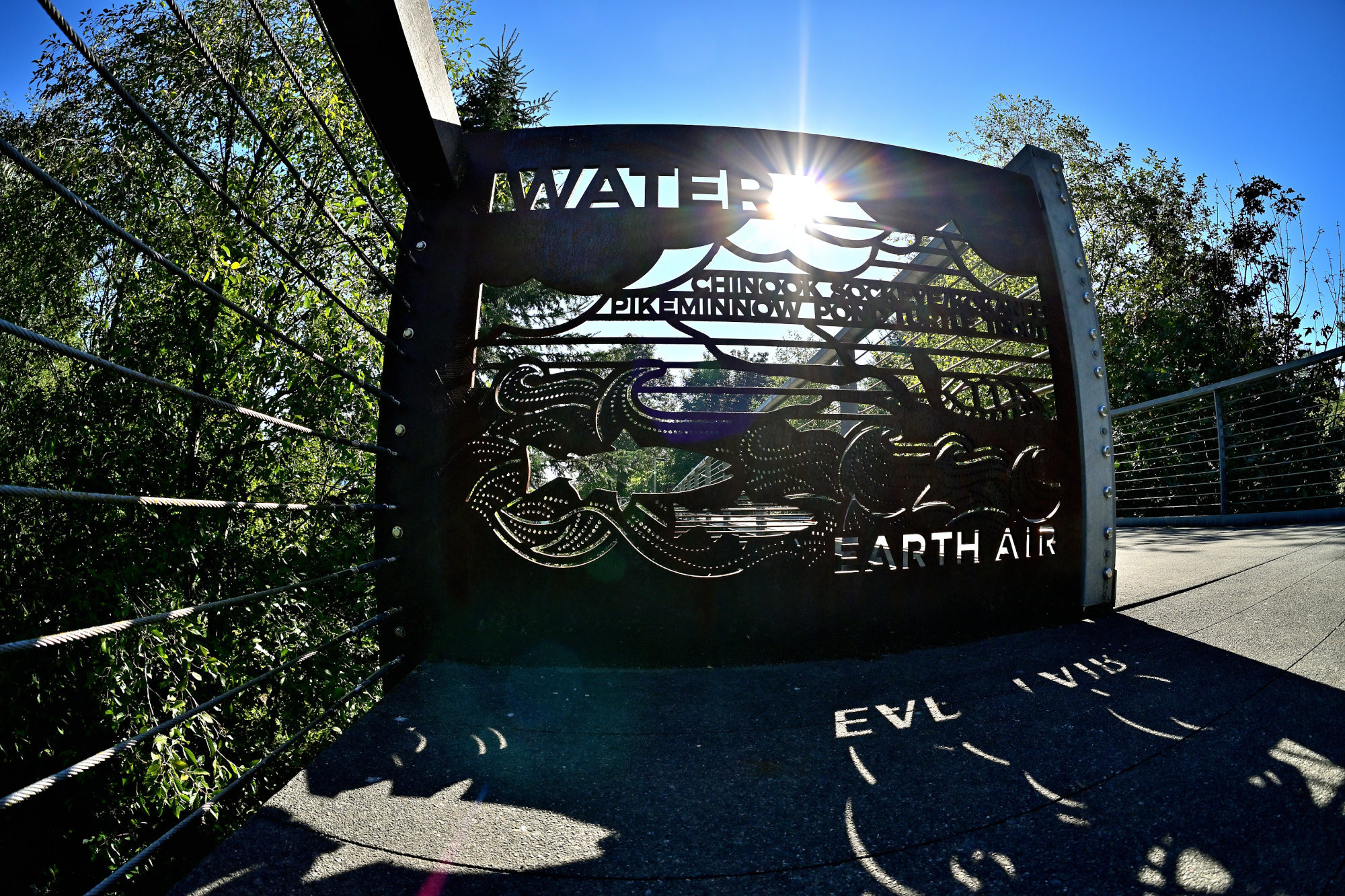
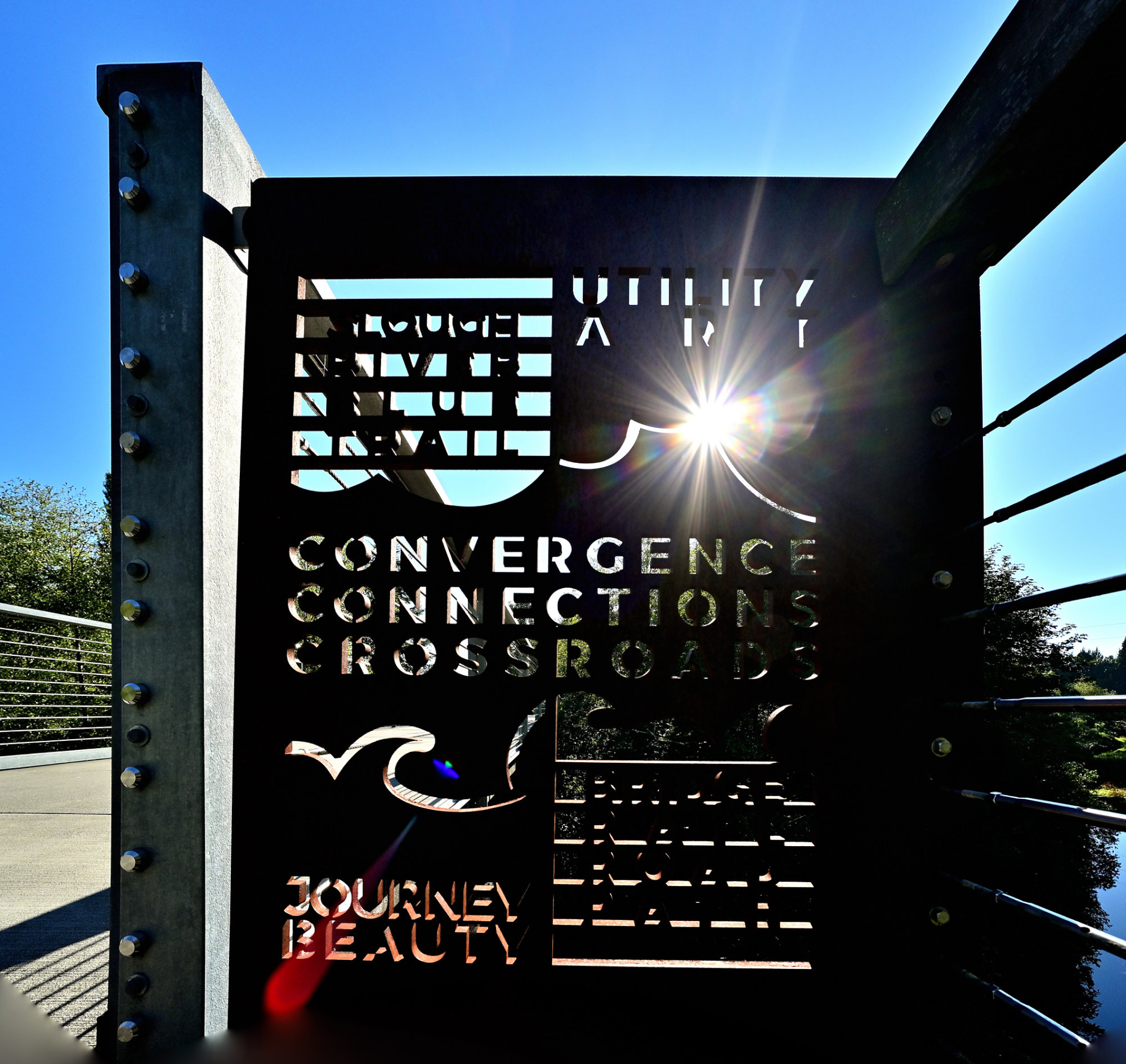
Framed in Steel with Stories Cut from Half Inch Plate
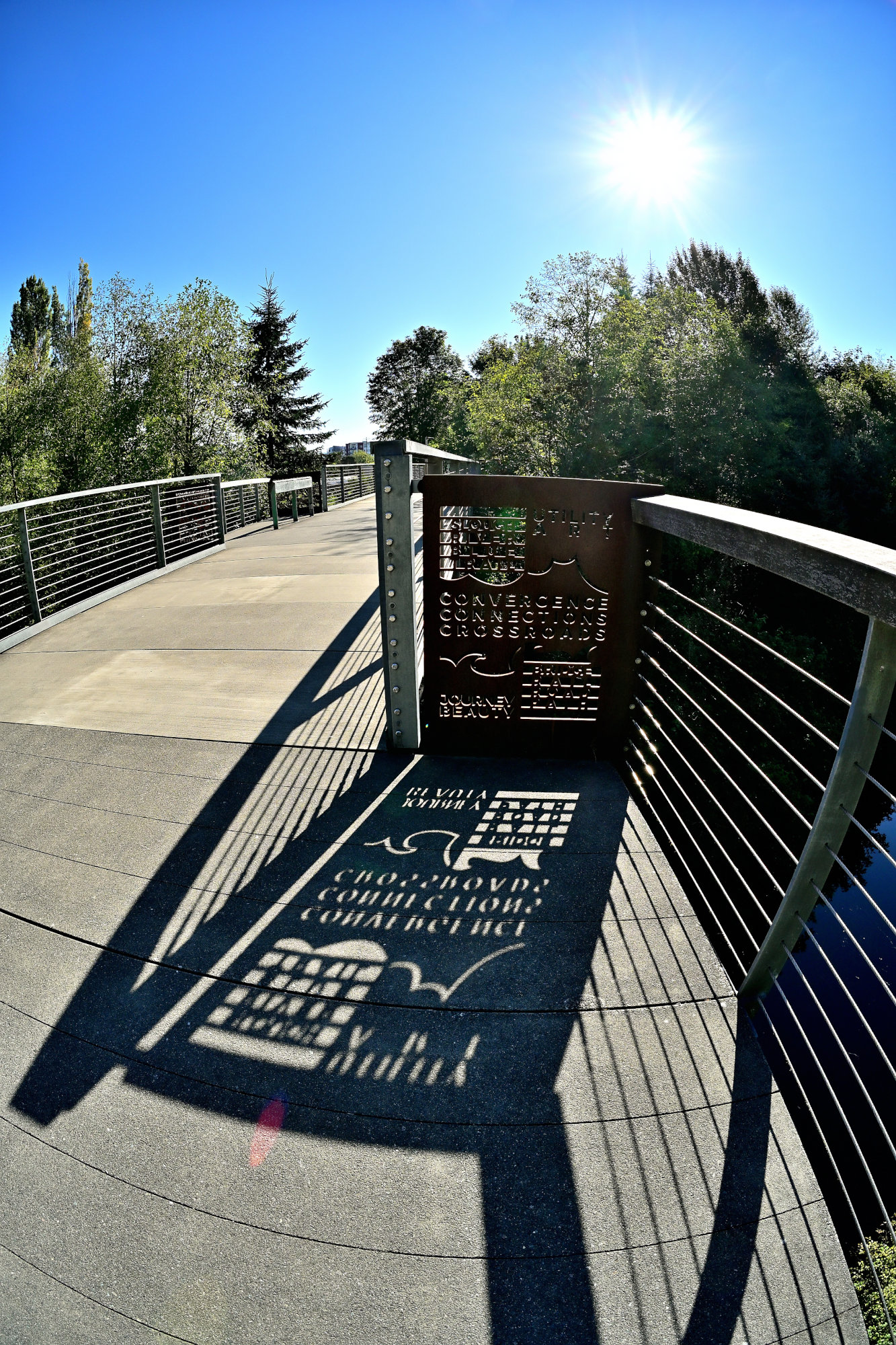
These massive handrail plates double as an open-air gallery along the trestle. Cut directly into the heavy steel are bold silhouettes of local wildlife and clear links to early railroad history. This unique metalwork reflects an art installation based on the themes of Earth, Air, and Water, inspired by the work of Redmond's very first Poet Laureate, Rebecca Meredith.
Overlake Village Station Pedestrian Bridge
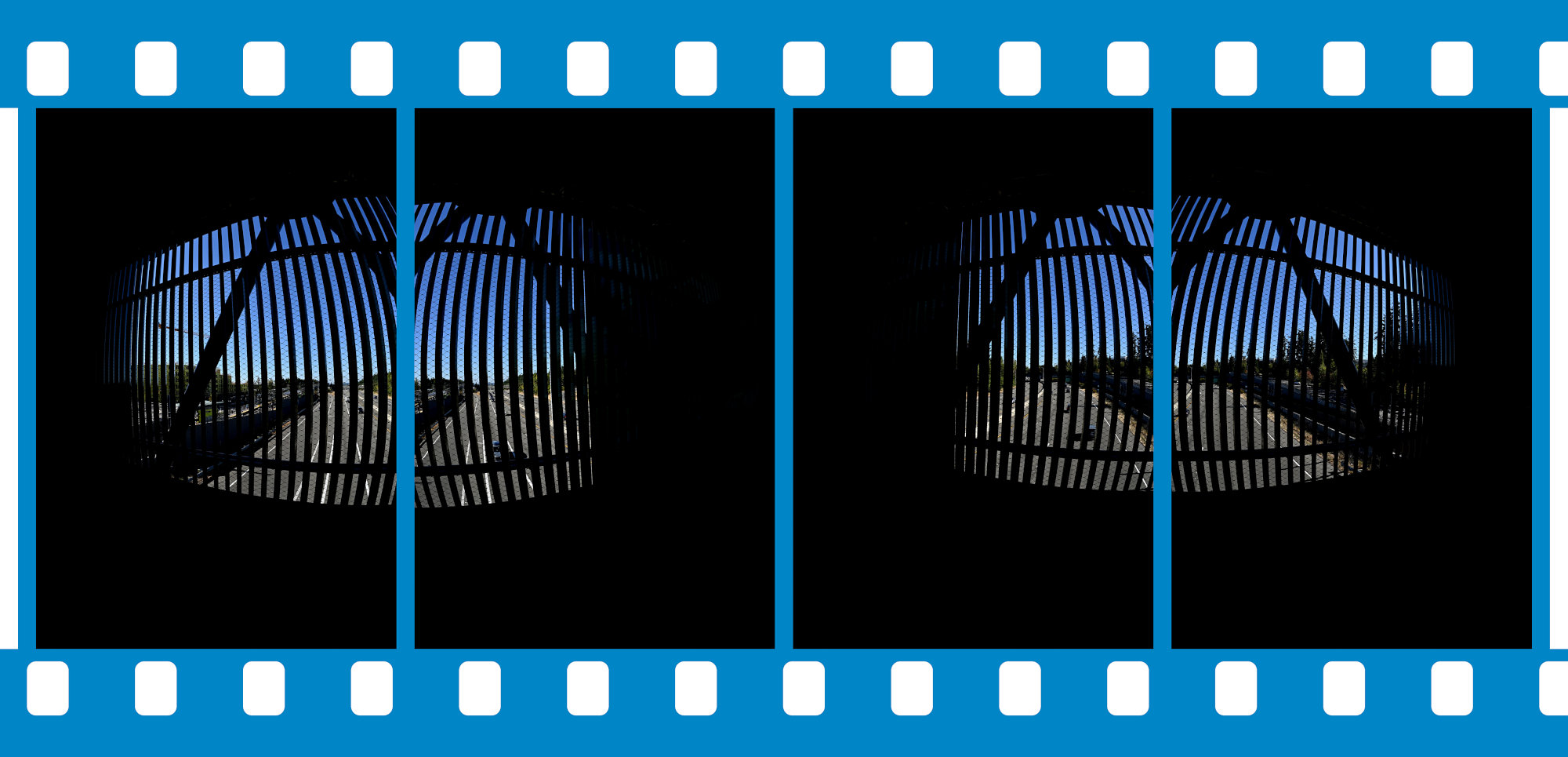
This viewpoint showcases the interior of the bridge, highlighting a masterful architectural deception created by local artist Leo Saul Berk. Titled Verdant, the installation features 1026 vertical aluminum louvers decorated with over 156k hand-painted rectangles.
From either end of the walkway, the louvers seamlessly blend together to trick the viewer into seeing a solid, lush green wall. However, as pedestrians and cyclists move past the gaps, the visual illusion shatters, breaking the forest scene apart to expose the State Route 520 traffic passing directly beneath.
Interactive Panorama Overlake Village Station Pedestrian Bridge 360x180
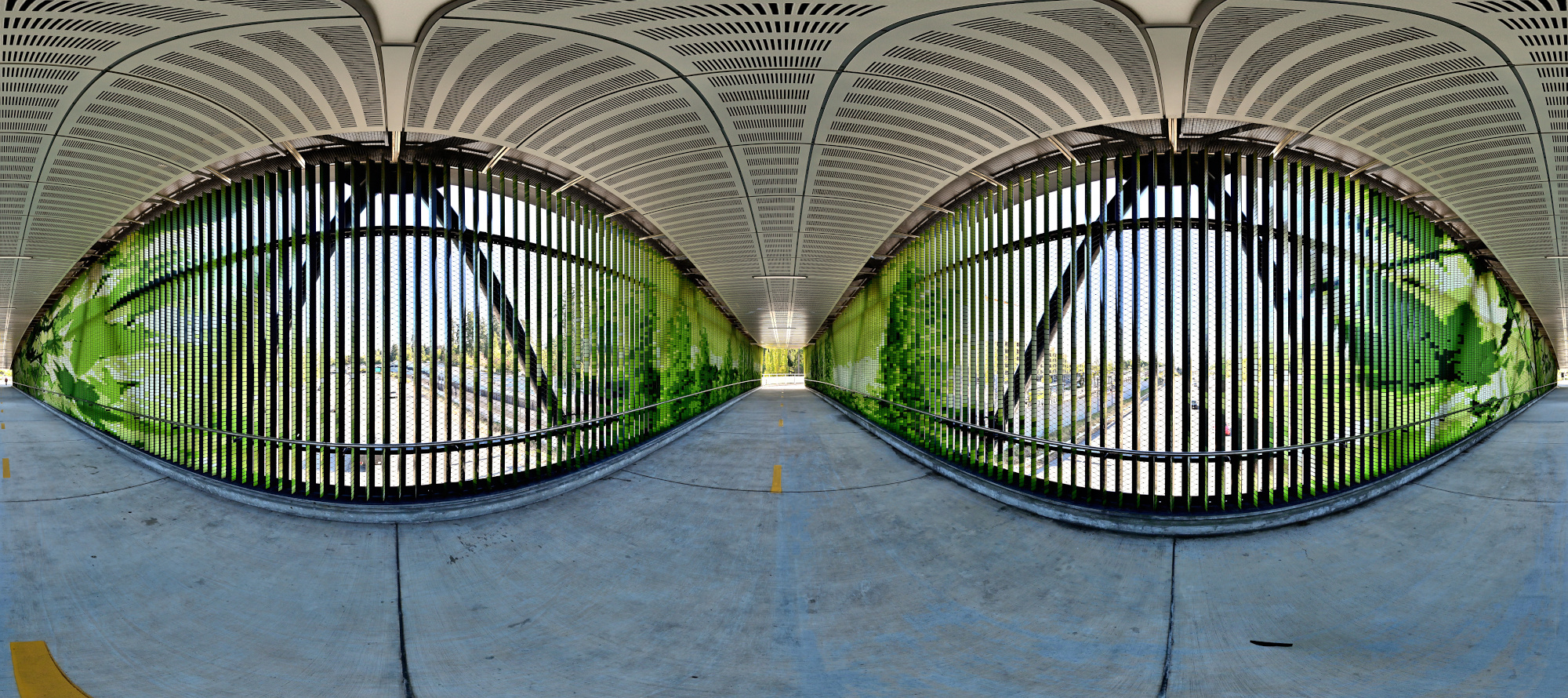
1/100s f/5,6 ISO 100/21° f=7,5mm
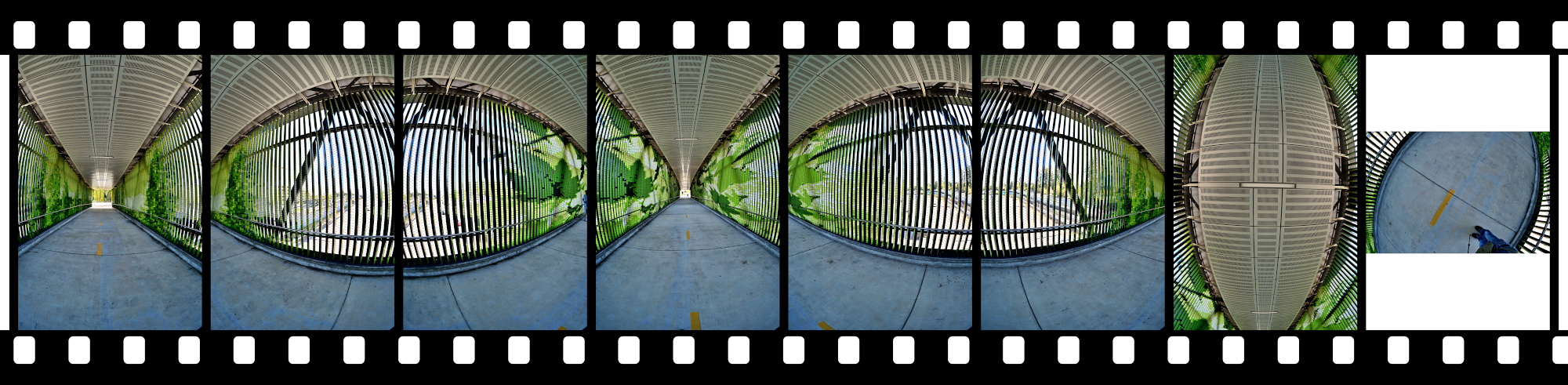
Our eyes have a higher dynamic range than a camera. When we look at a bridge, we can see both the dark interior and the bright sky clearly. A camera cannot do this in a single photo. This picture is exposed for the bright sky, so the sky looks natural. However, the camera makes the louvers and beams look much darker than they would appear to our eyes.
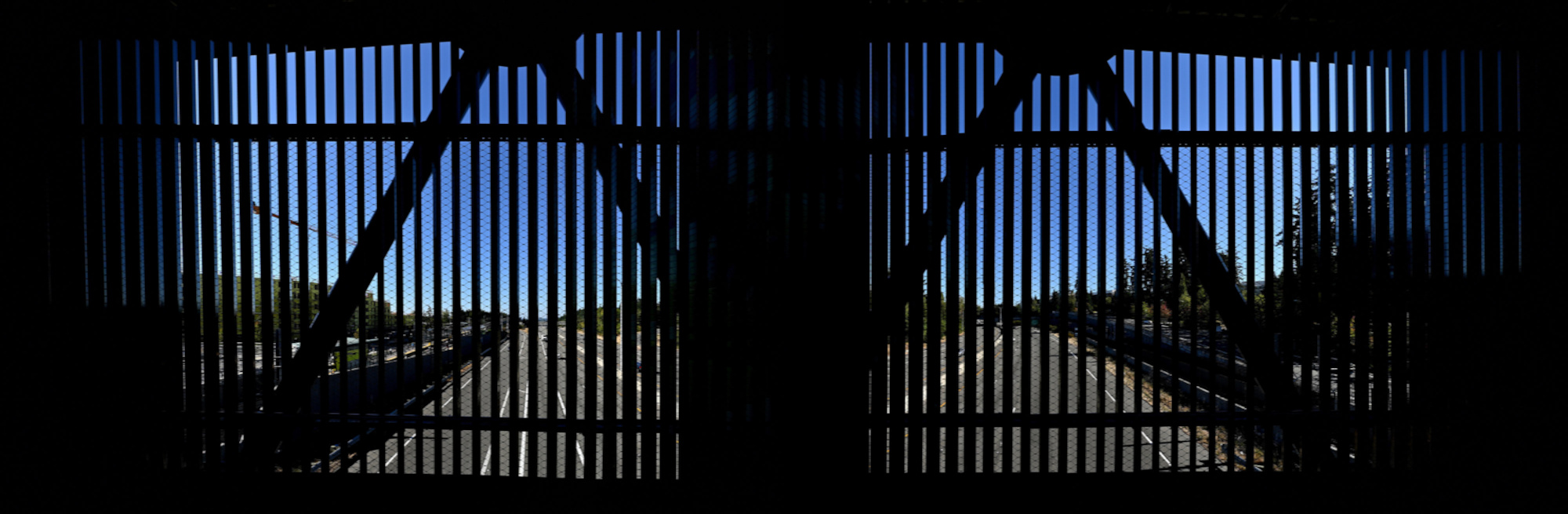
1/640s f/5,6 ISO 100/21° f=7,5mm
-
Bellevue Piloti-Skulptur
Piloti is an ultra-thin, self-supported aluminum rotunda by Marc Fornes / THEVERYMANY, commissioned by the City of Bellevue. It stands at the edge of Downtown Park, close to the towers but clearly not designed to think in straight lines. The trees help. So does the sunshine.
It is one of those places where I stop longer than planned.
1/1000s ISO 100/21° f=7,5mm
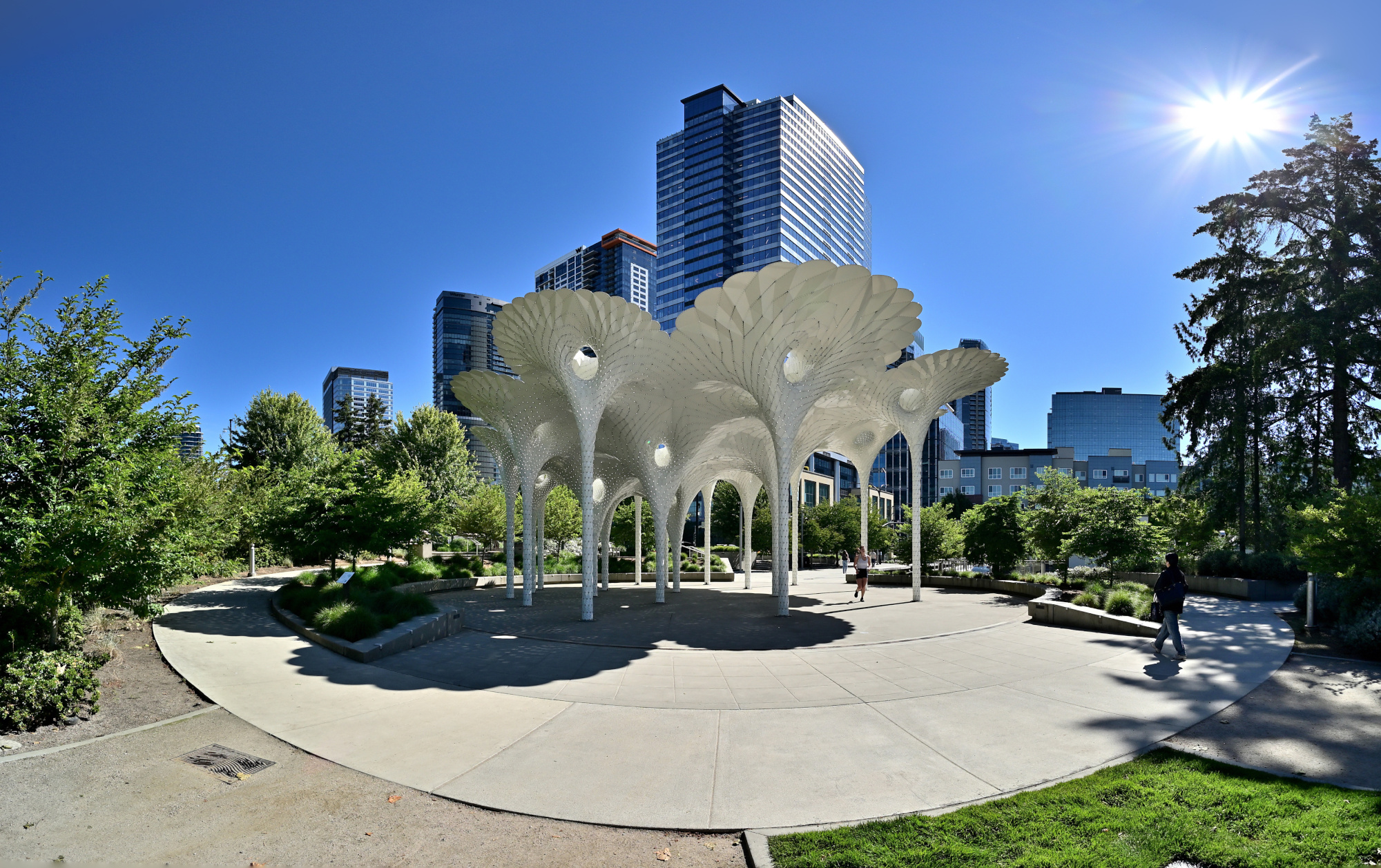
The sun was bright enough to make every shadow look like it had been organized in advance.
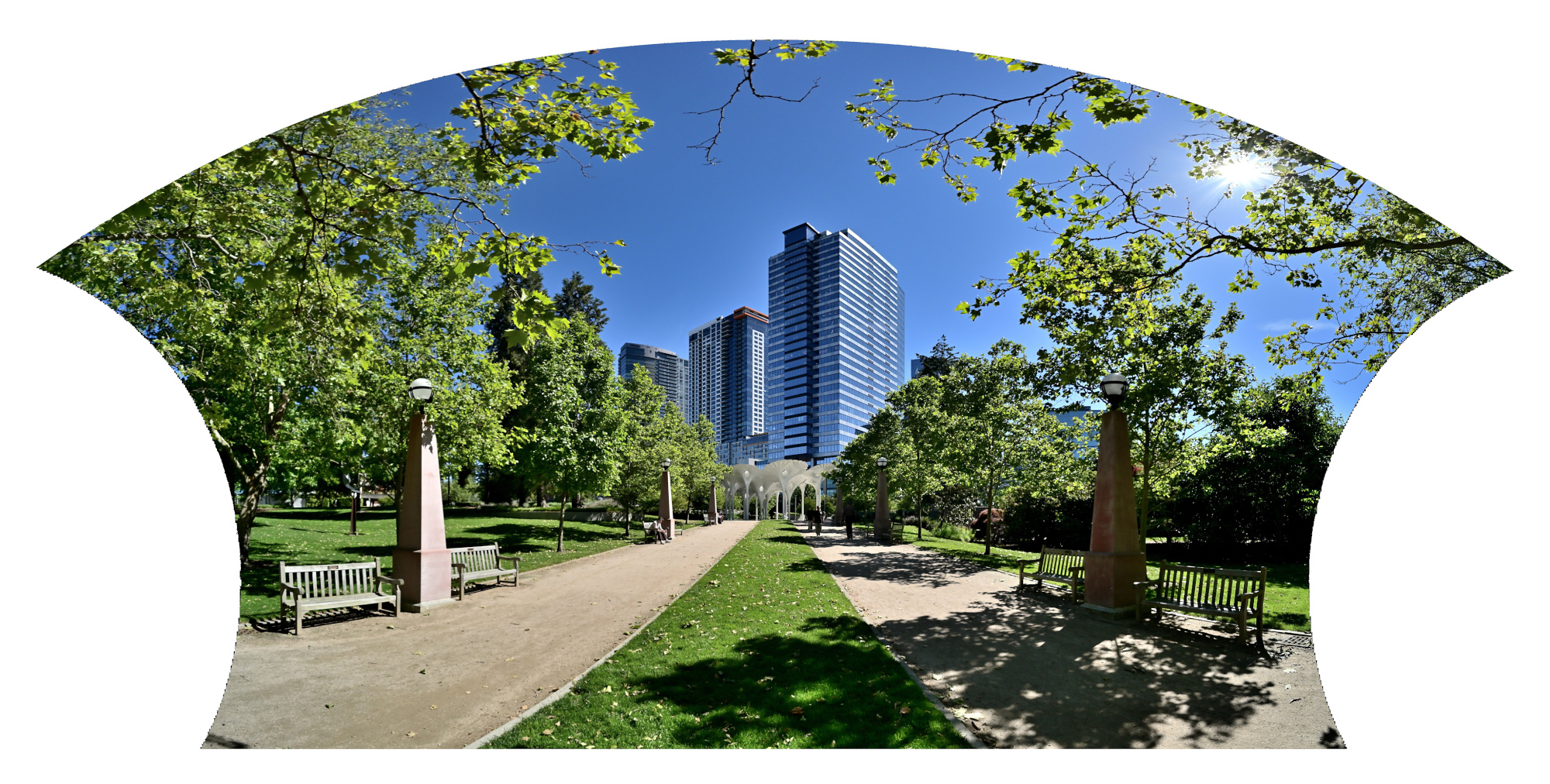
1/1000s ISO 100/21° f=7,5mm
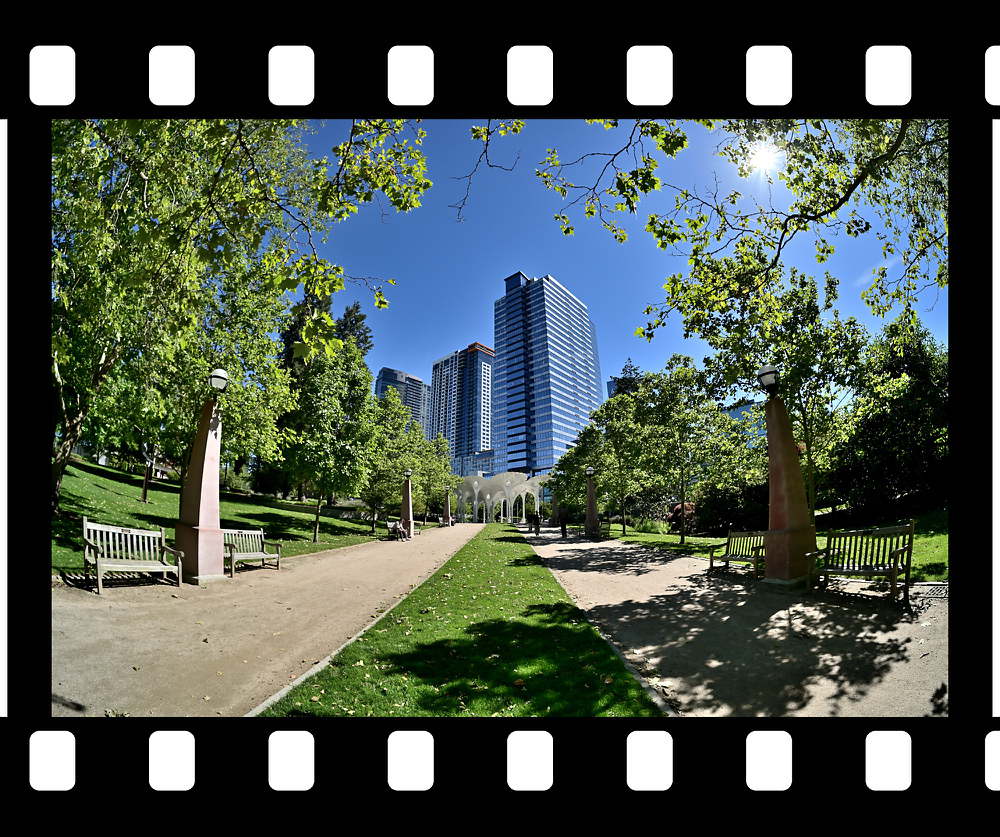
The theme for The World Wide Panorama was Exception, and this was the view that made the whole series happen. Bellevue around Piloti is all glass, clean edges, and corporate geometry. Downtown edges met one deliberate anomaly, yet the city kept its face straight. Then this thing stands there, soft and strange, like it grew overnight and nobody wanted to ask too many questions.
That was the exception I wanted: not a spectacle, but something that quietly refuses to behave like the city around it.
Interactive Panorama Piloti-Skulptur 1 360x180
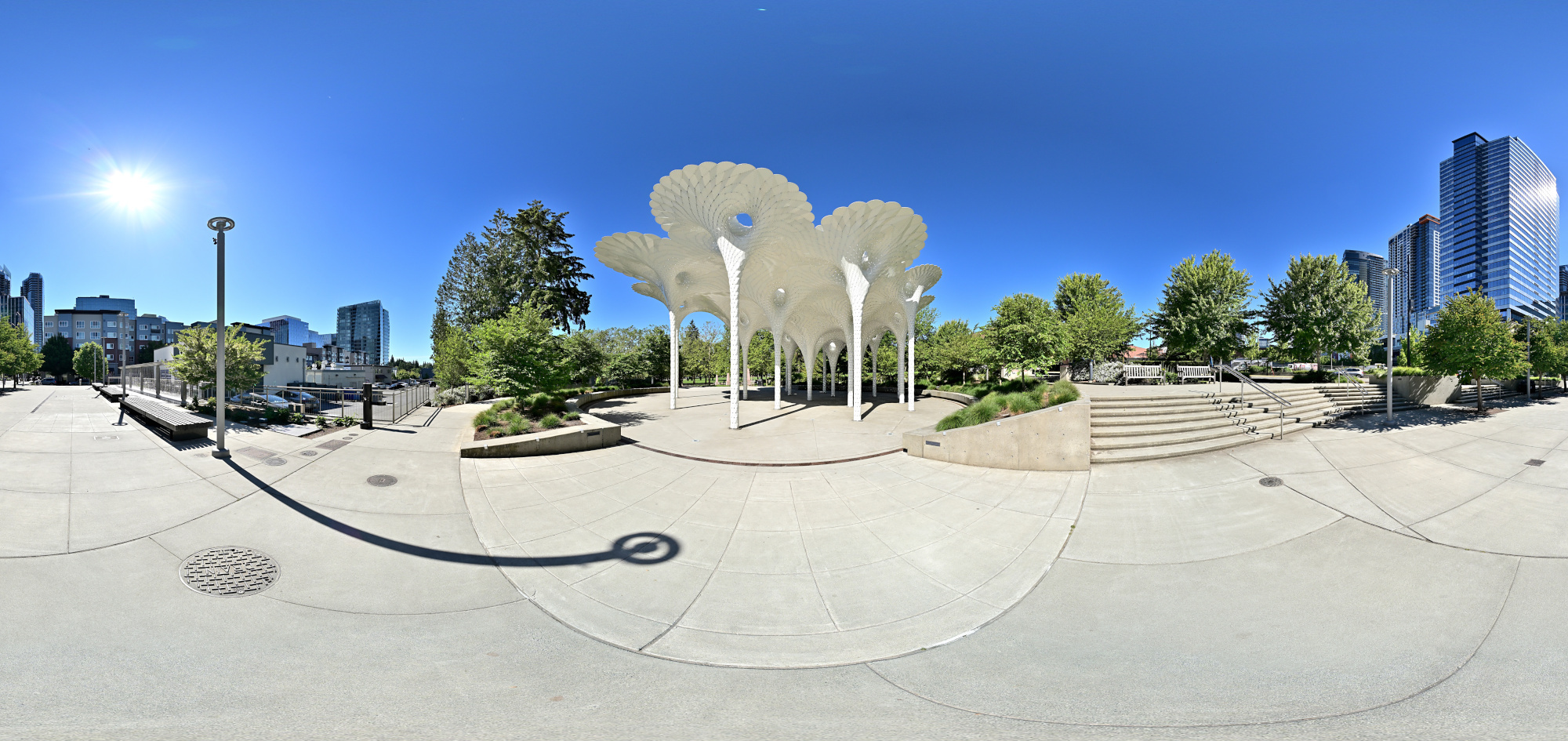
1/1000s f/5,6 ISO 100/21° f=7,5mm
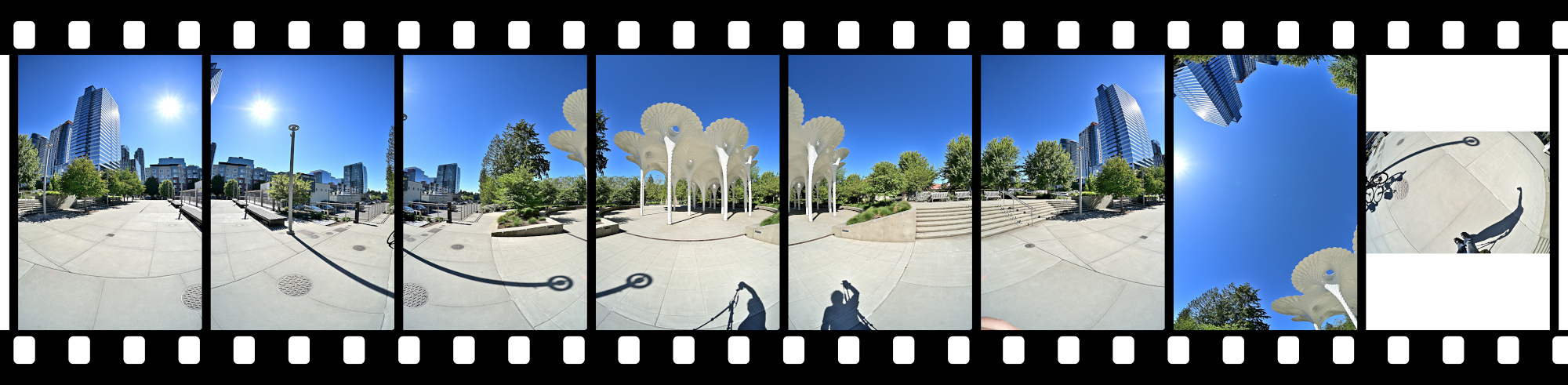
The Panorama Supervision Unit also made a brief appearance.1
From this side, Piloti feels less like a landmark and more like something the park quietly kept for itself.
Interactive Panorama Piloti-Skulptur 2 360x180
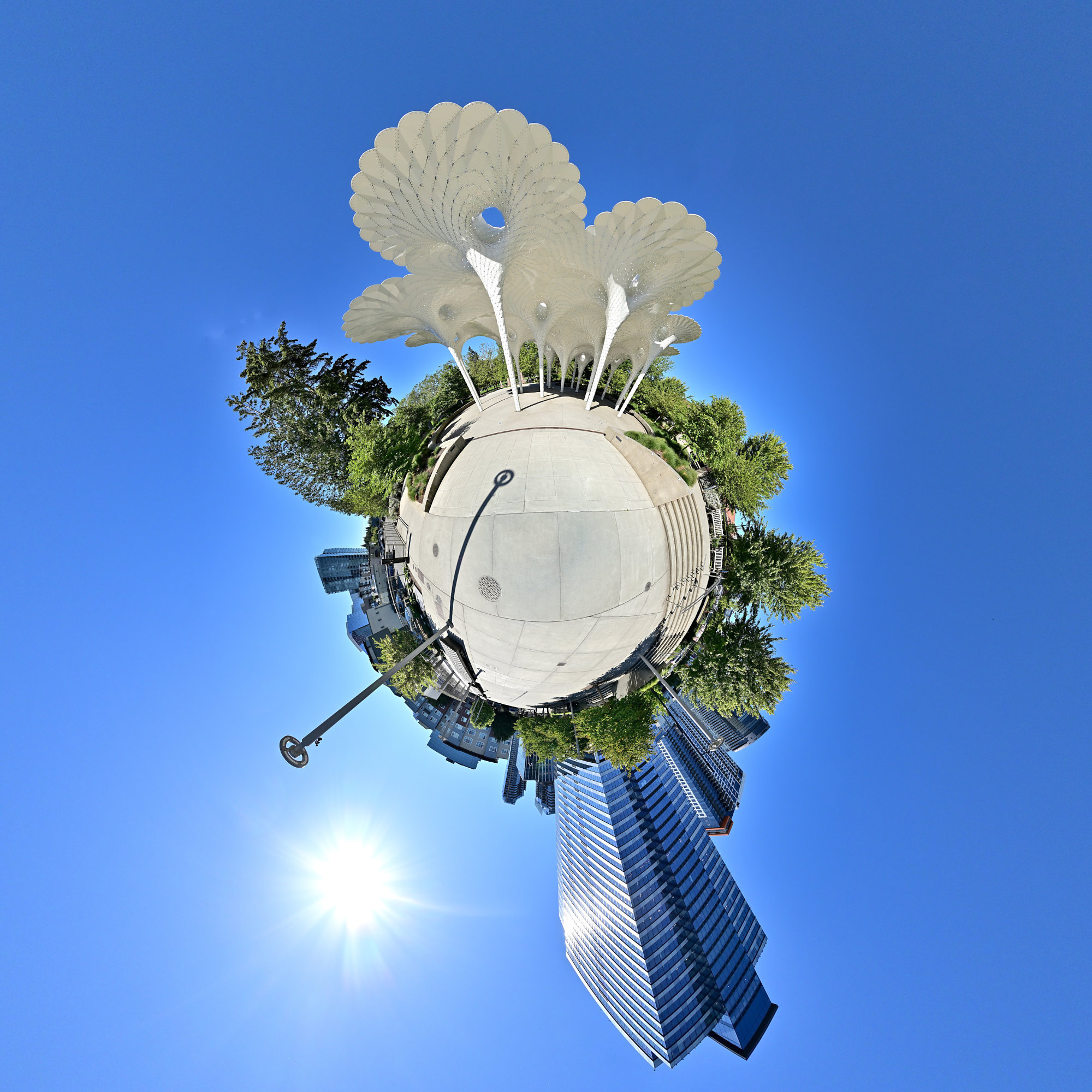
1/1000s f/5,6 ISO 100/21° f=7,5mm
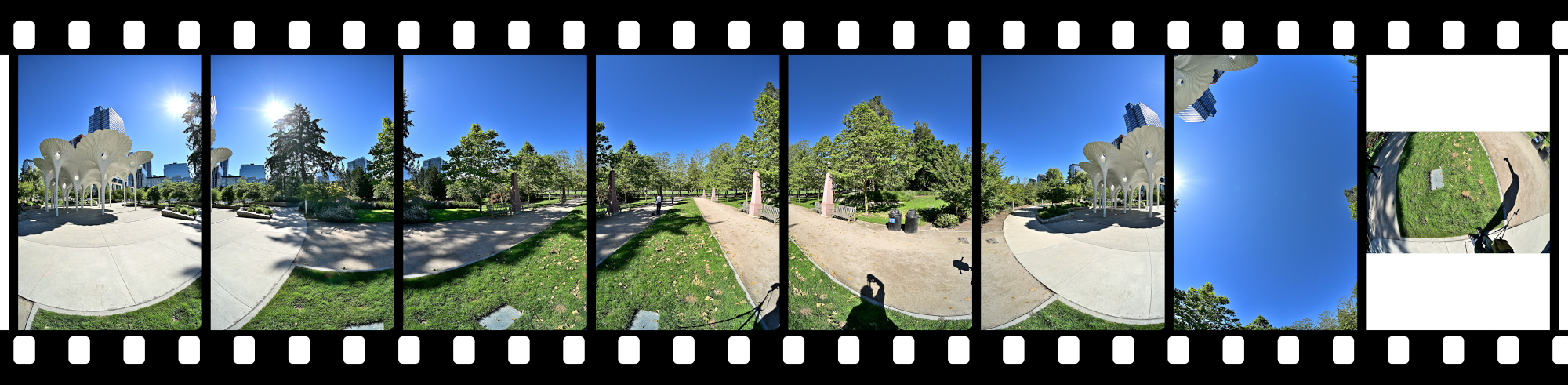
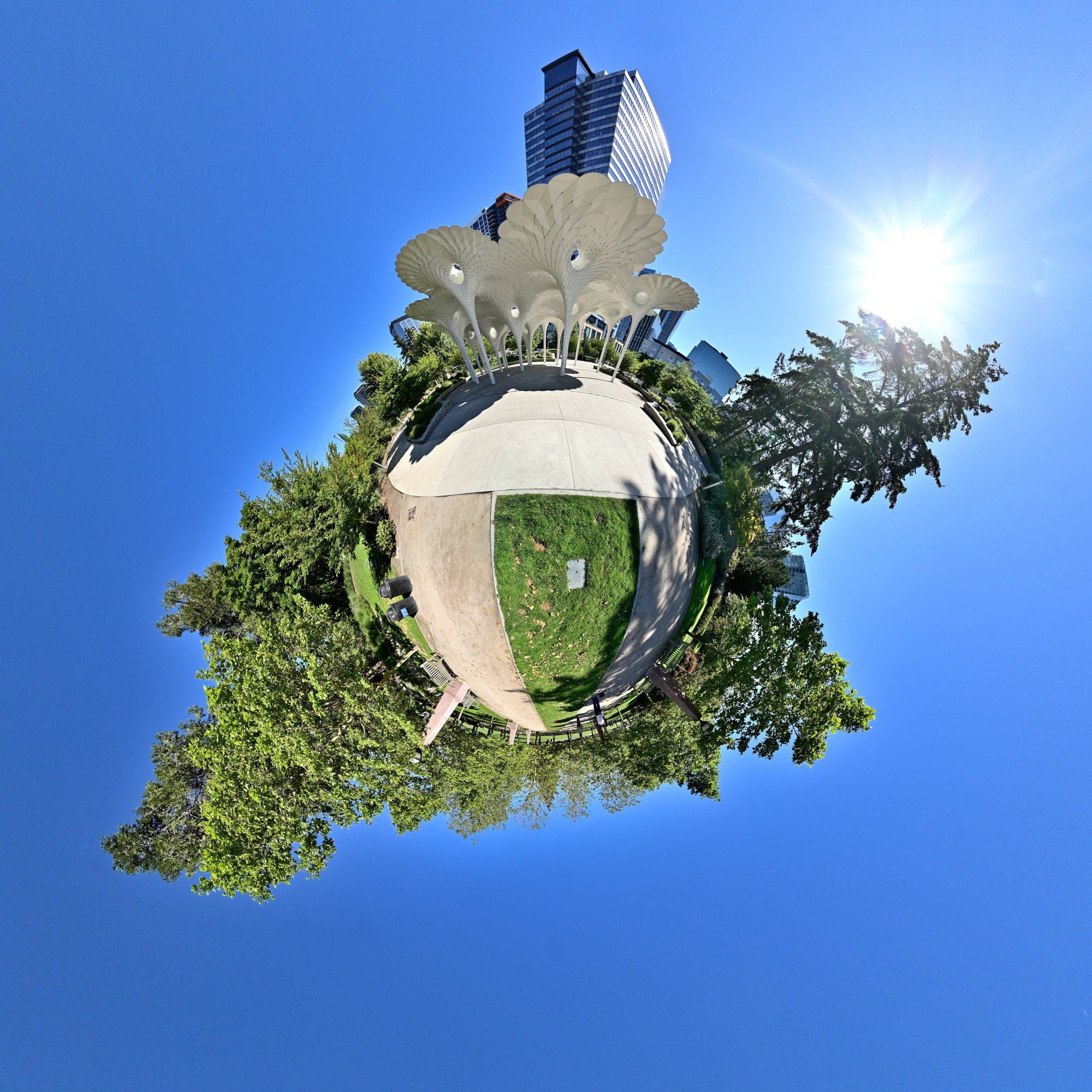
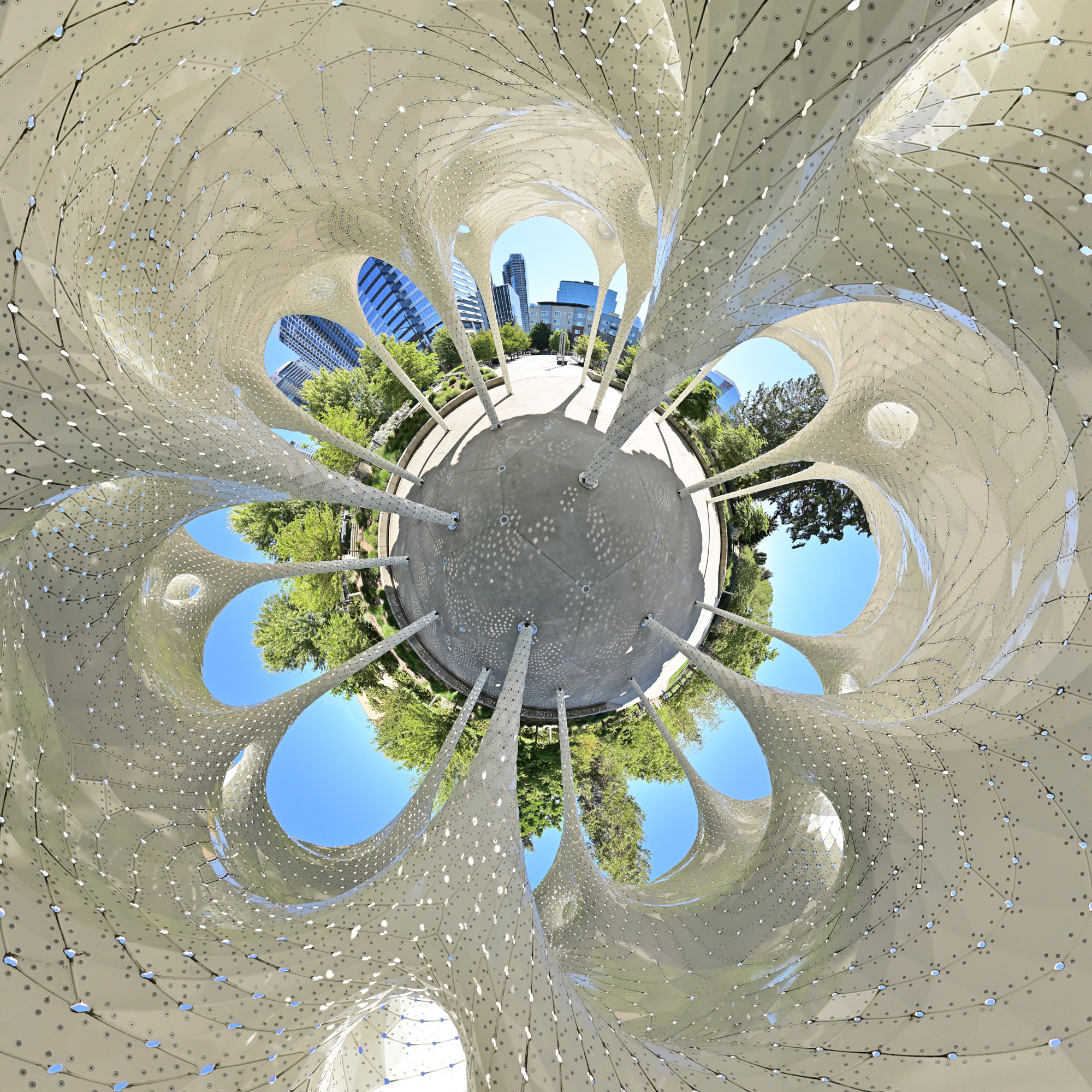
The little planet version gives the park a suspicious amount of authority.
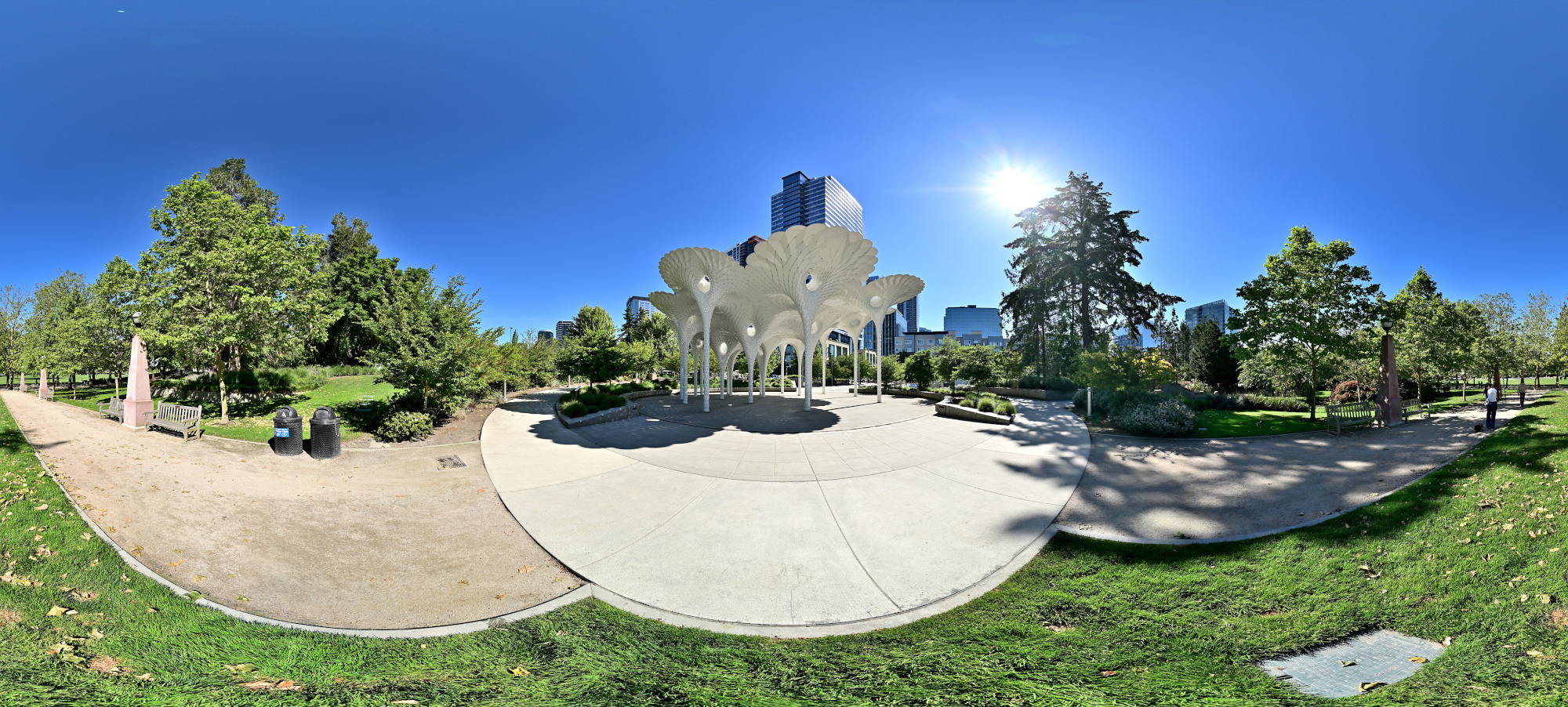
Inside, it feels less like looking at the sculpture and more like standing under its idea.
Interactive Panorama Piloti-Skulptur 3 360x180
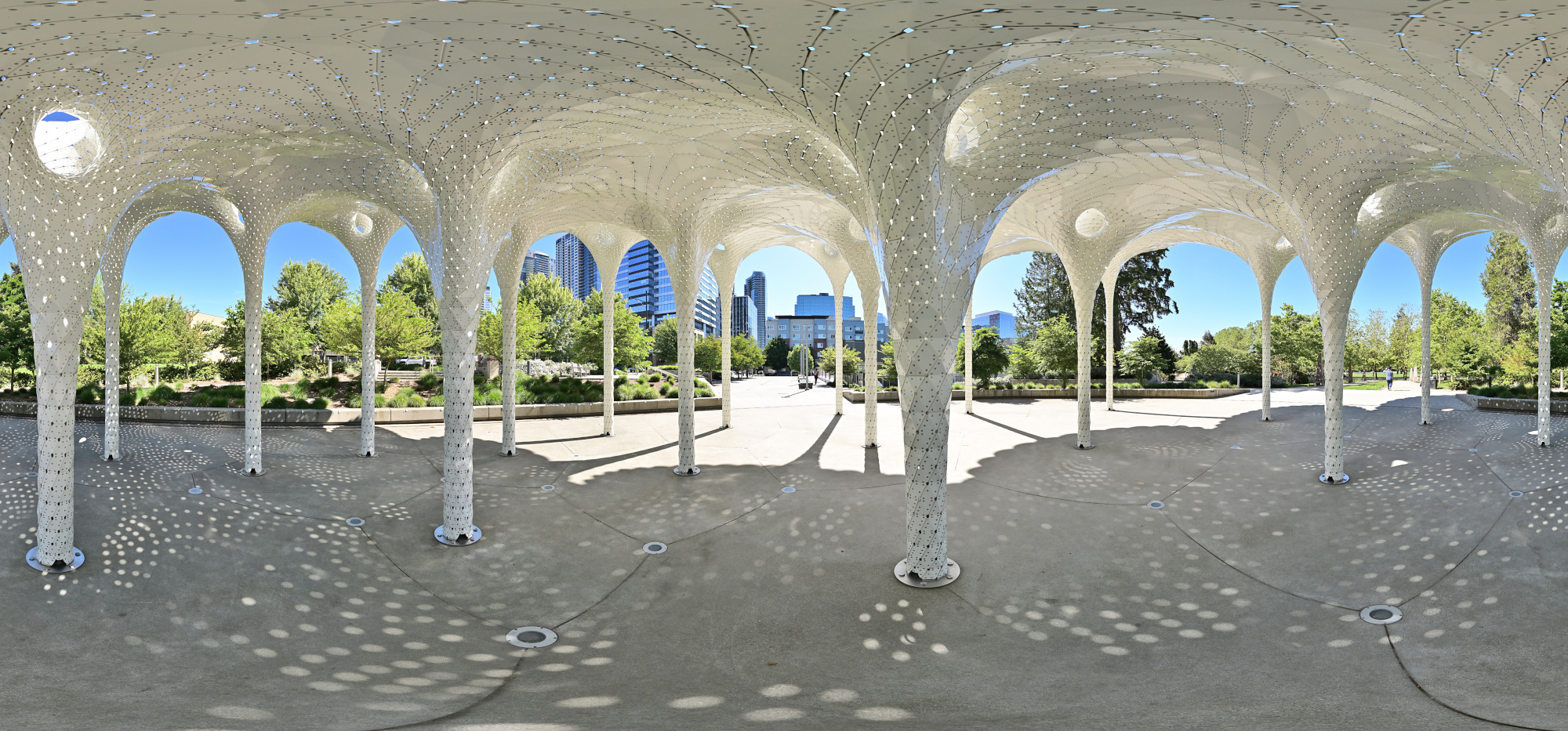
1/640s f/5,6 ISO 100/21° f=7,5mm
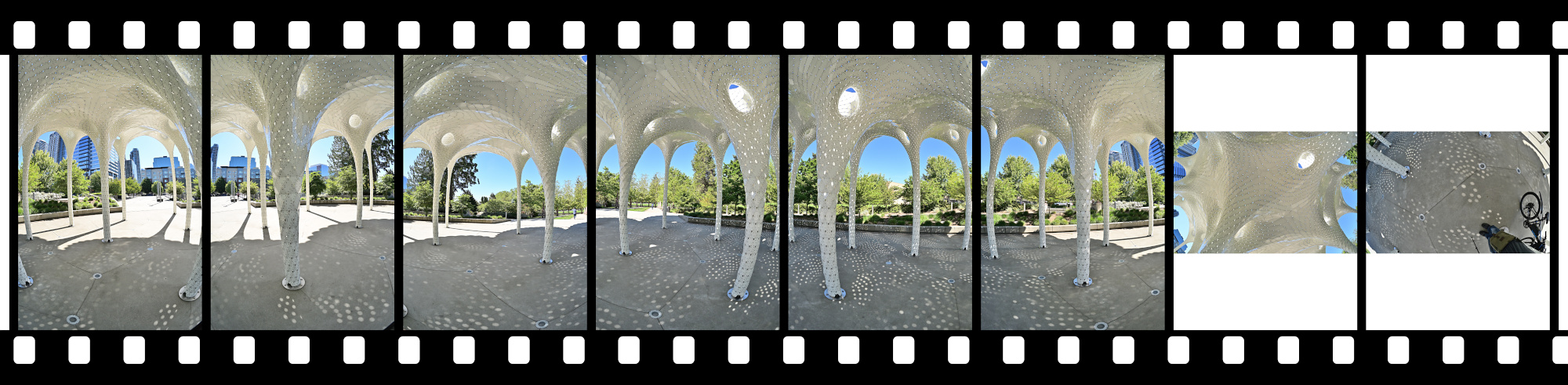
These are the original NEF frames; with the hard contrast under the sculpture, the RAW data was useful for recovering highlight and shadow detail and building a more natural HDR-like result.
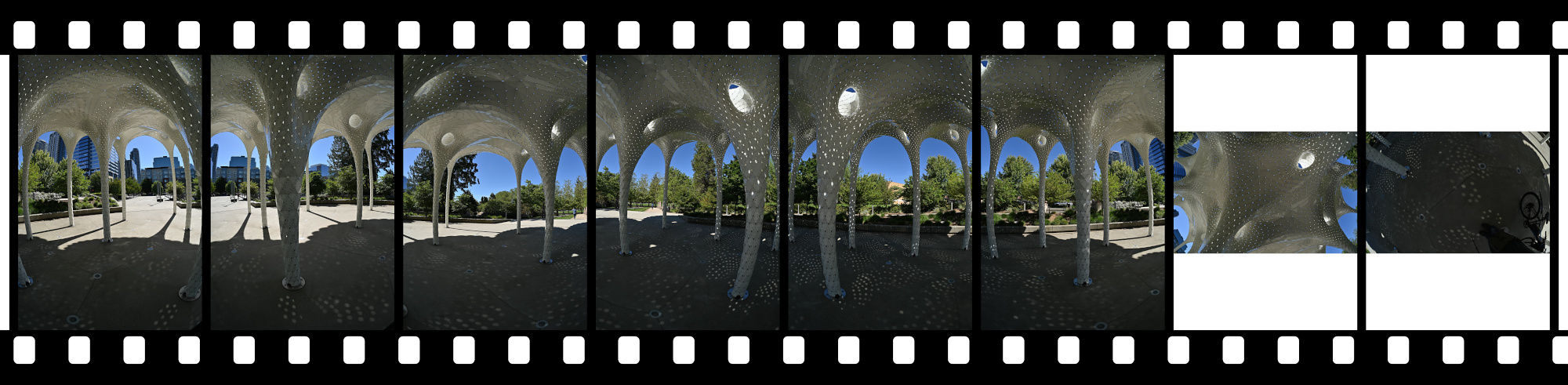
The last little planet makes a tiny roofed world out of it. No permit required.
-
After previous observations by Agent Gull and Agent Ducky, the Panorama Supervision Unit opened another file in the city park.
Agent Crow with the Peanut-Cam
First contact was made by a crow carrying a small peanut-shaped device, later classified as a field camera of the Panorama Supervision Unit.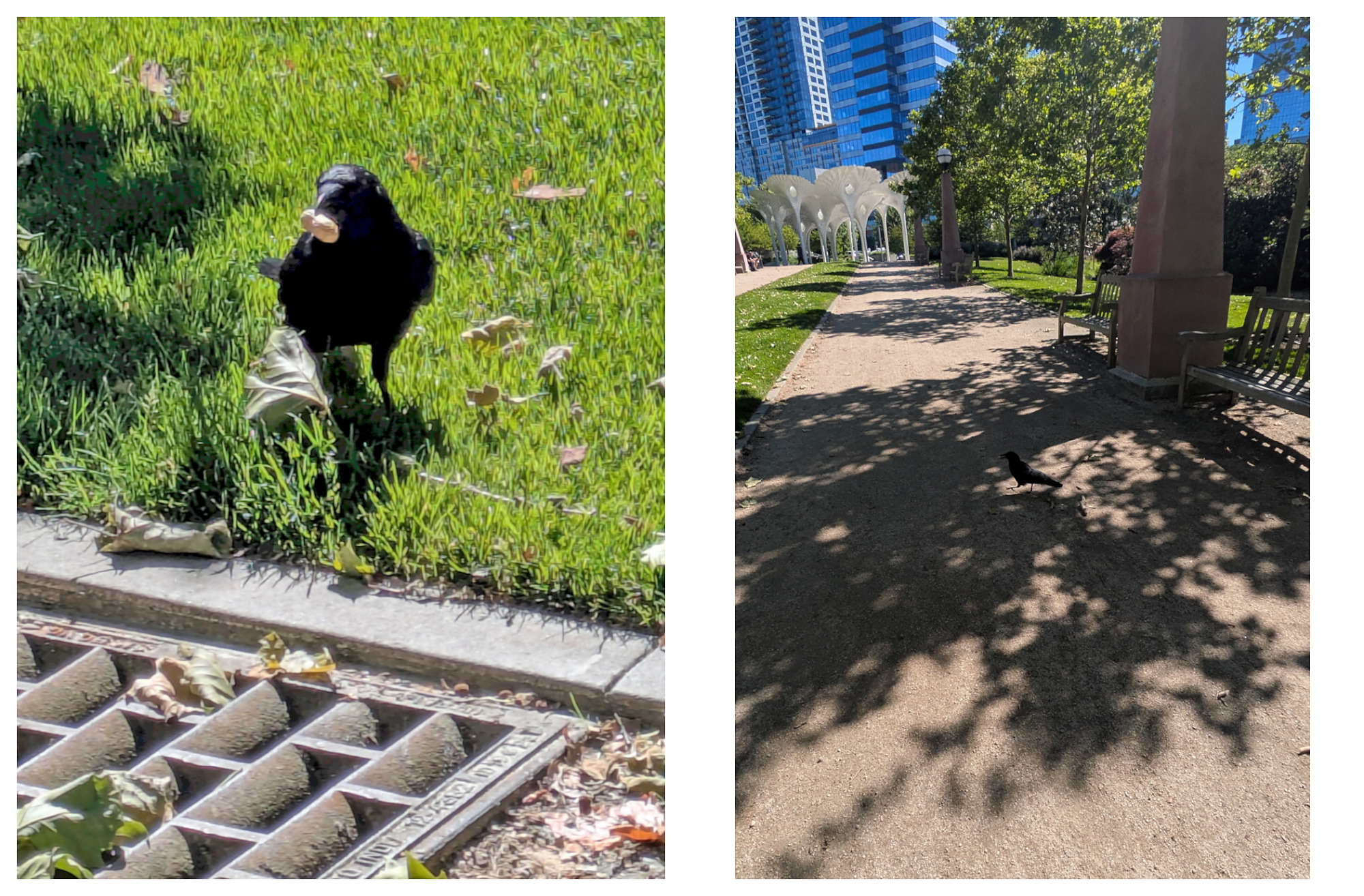
Ground Inspection
Agent Crow returned without visible equipment and stopped on the path, continuing the close-range panorama check under ordinary park conditions.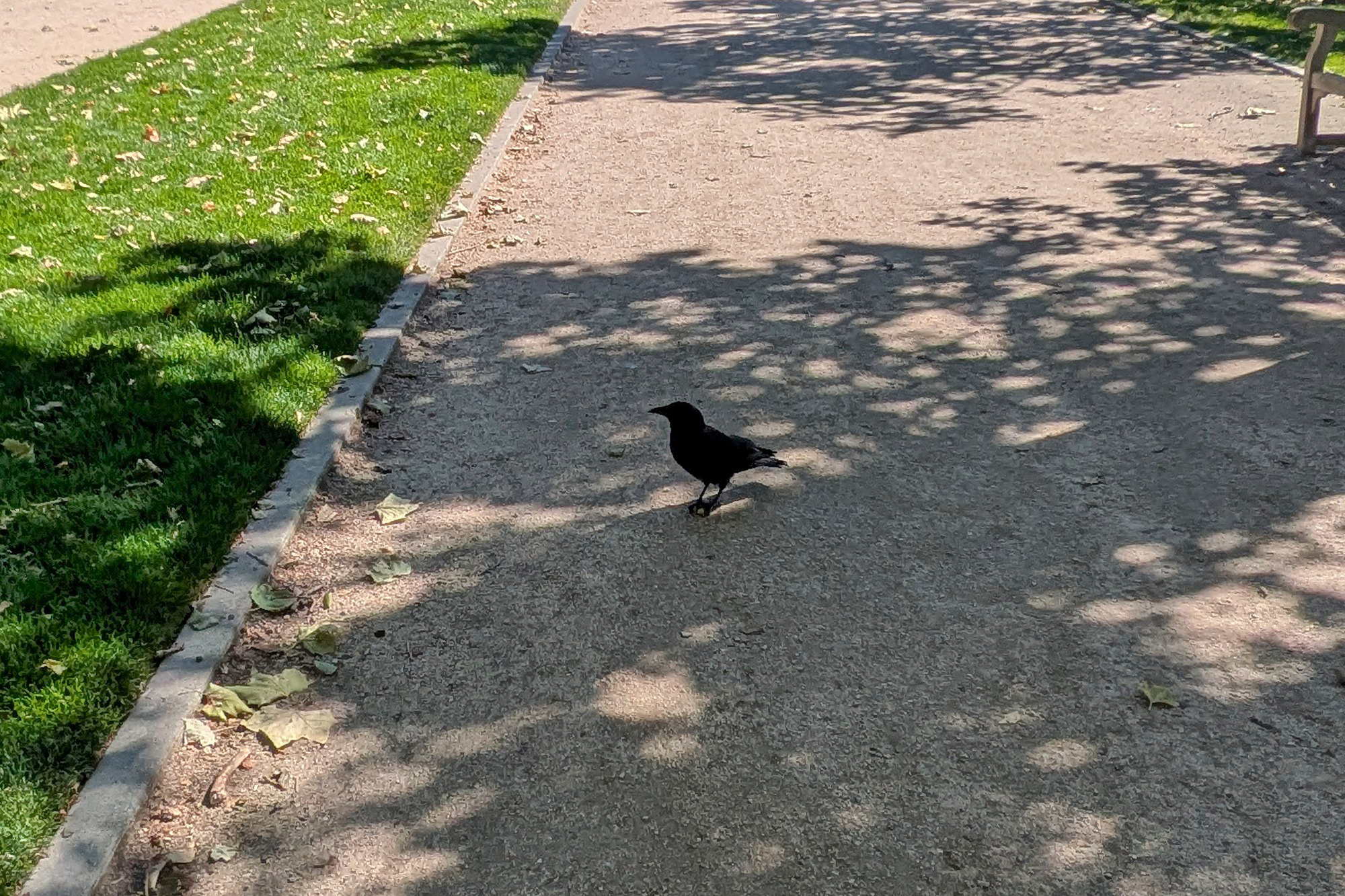
Following the Route
The inspection continued along the path with the calm certainty of someone who had already received instructions.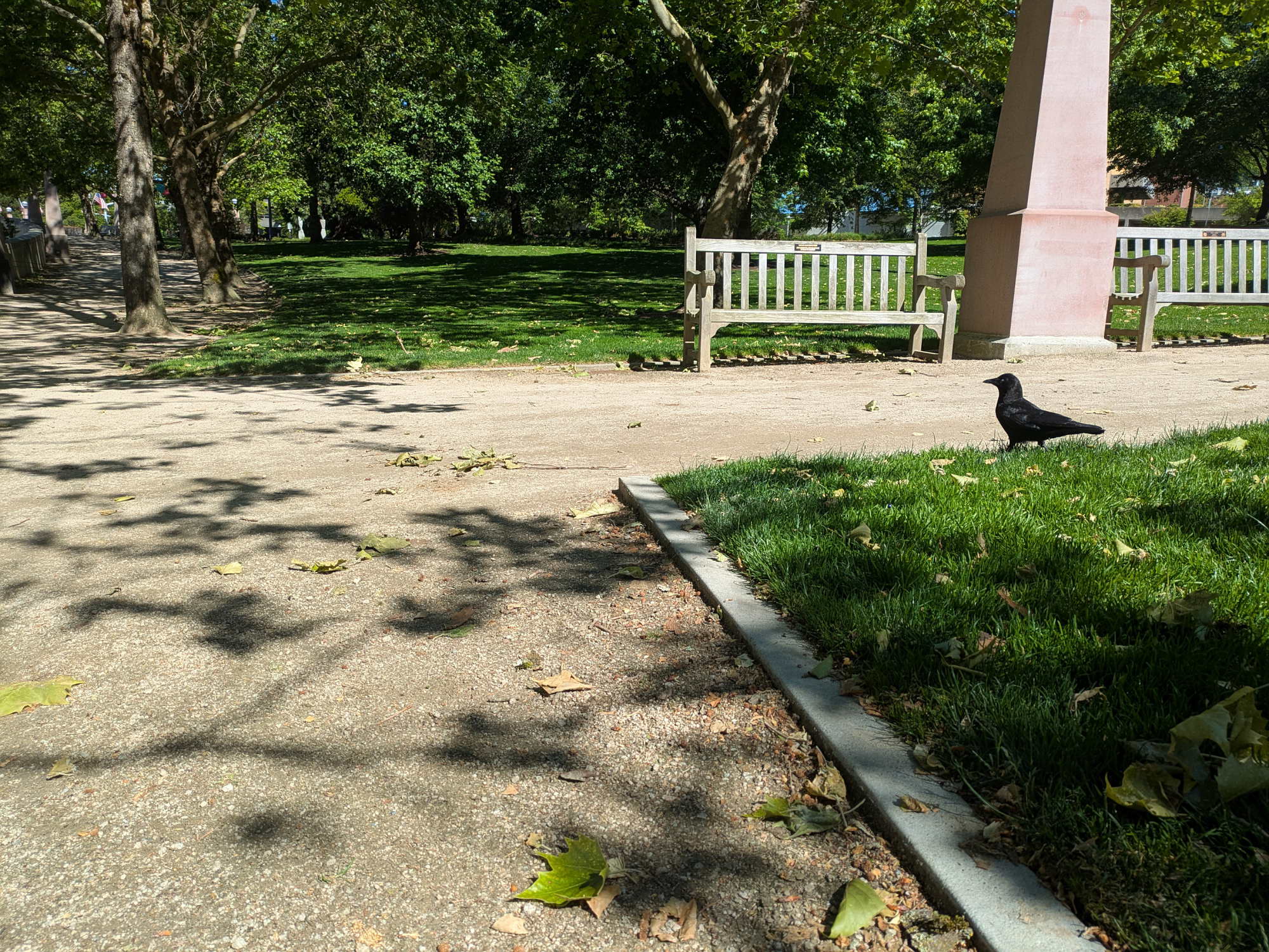
Aerial Departure
Shortly after that, Agent Crow left by air.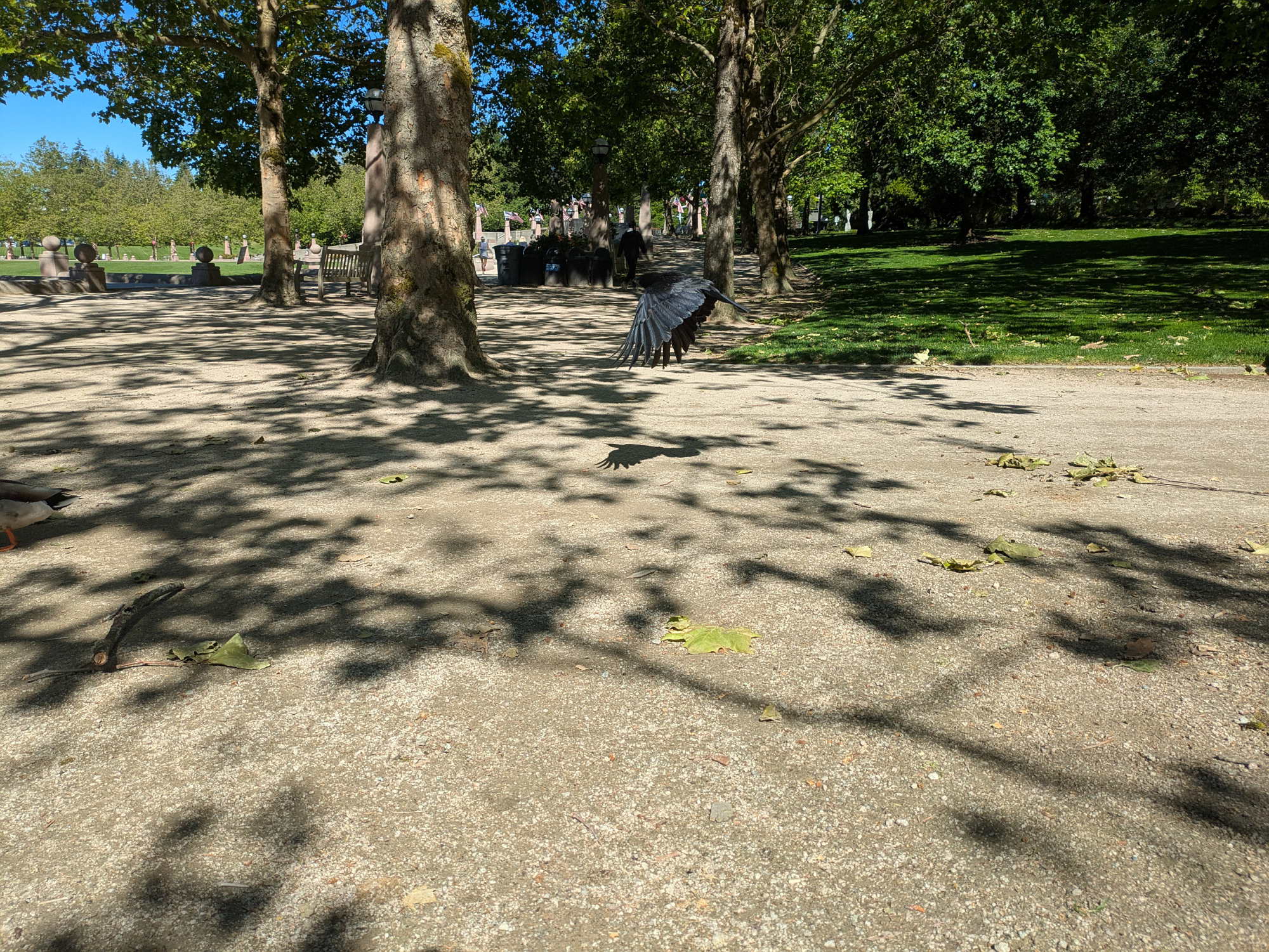
Agent Toni and Agent Tini
The file was then handed to a two-agent operation. Agent Toni and Agent Tini arrived together and performed a silent double check of the panorama perimeter.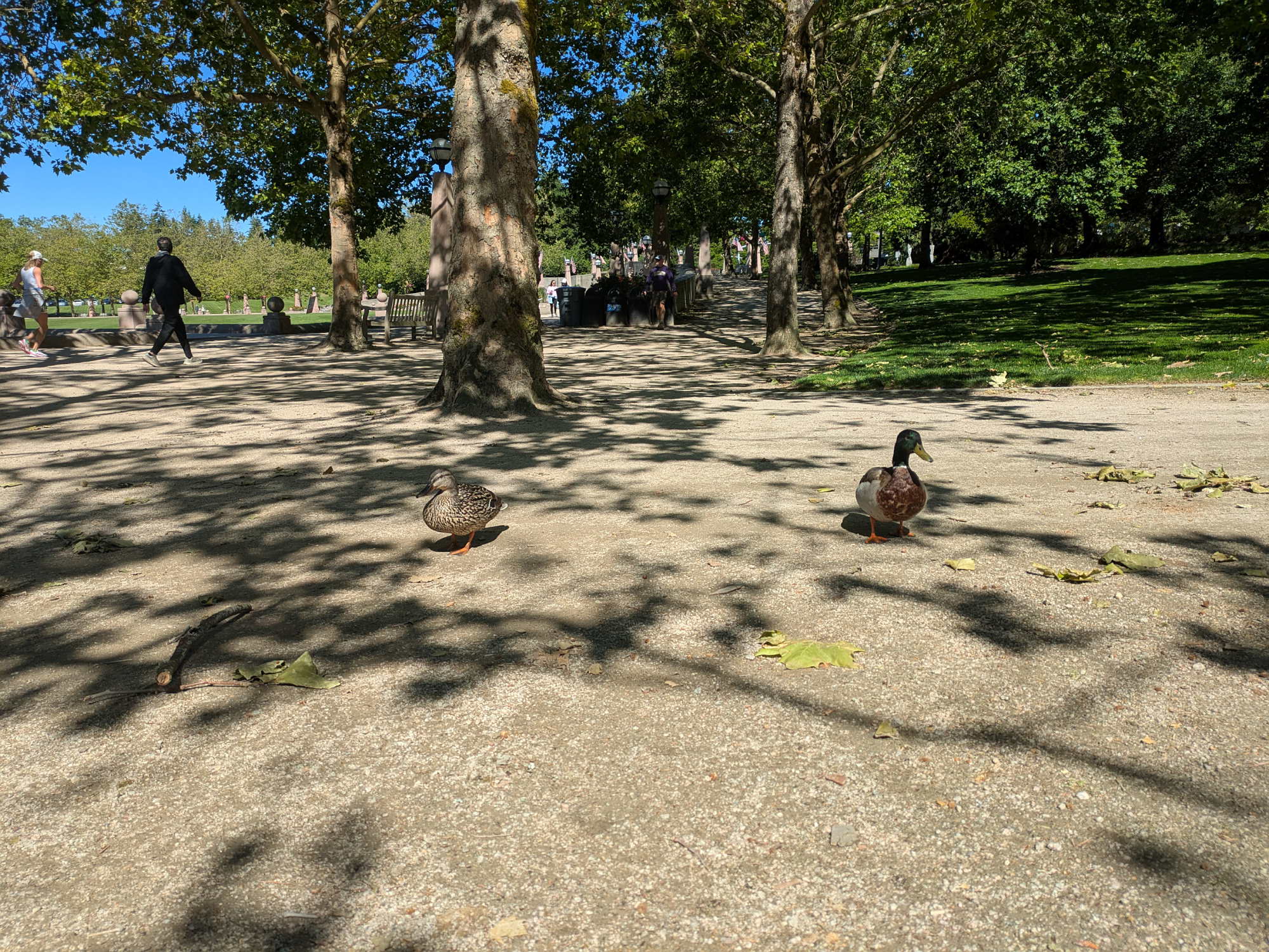
The Panorama Supervision Unit recorded the visit; all panorama activity remains under quiet observation.
↩
-
-
Chagall Fenster der Stephanskirche in Mainz
Chagall-Fenster im Chor
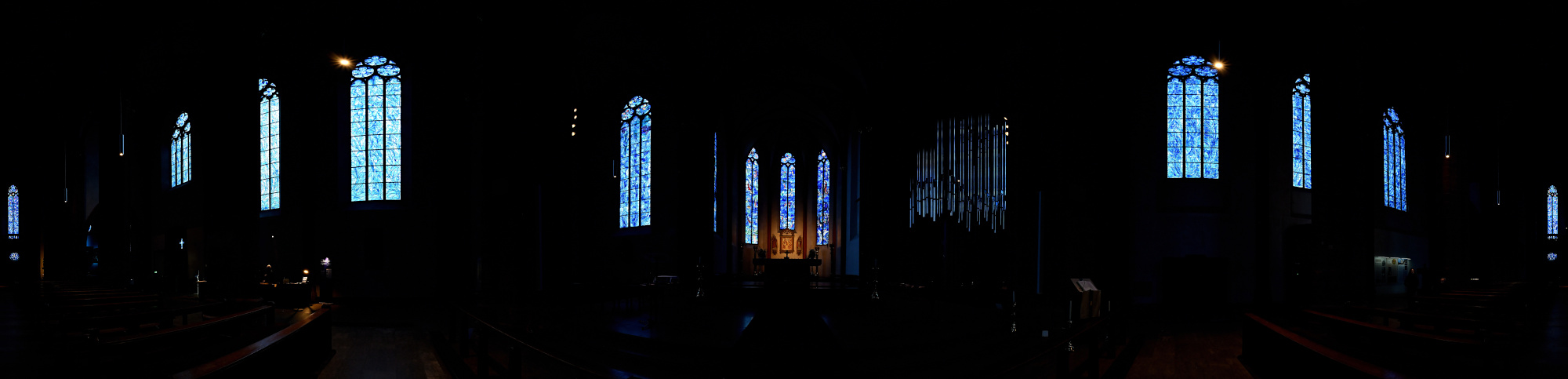
Die Fenster der Stephanskirche wurden von Marc Chagall gestaltet und prägen den gesamten Raum. Das tiefe Blau und die warmen Farbtöne fangen das Licht auf eine Weise ein, die sofort eine besondere Ruhe entstehen lässt. Beim Betreten der Kirche verändert sich die Wahrnehmung fast unmerklich, doch sehr deutlich. Farbe, Licht und Stille verbinden sich zu einem Moment, der lange nachwirkt.
Chagall begann in der zweiten Hälfte der 1970er Jahre damit, für die Stephanskirche Fenster zu entwerfen, damals bereits fast neunzig Jahre alt. Das erste Fenster wurde 1978 eingebaut und war ursprünglich als einzelnes Werk gedacht. Doch er arbeitete weiter. Bis zu seinem Tod 1985 schuf Chagall insgesamt neun Fenster für den vorderen Teil der Kirche. Chagall entwarf die Glasgemälde und führte auch die Schwarzlotmalerei eigenhändig aus. Seine Arbeit verstand er als Zeichen der jüdisch-deutschen Aussöhnung. Nach seinem Tod wurde die Arbeit an den weiteren Fenstern in St. Stephan von Charles Marq fortgesetzt.
Das tiefe Blau, das seine Arbeiten auszeichnet, verändert den ganzen Raum. Das Licht wird weicher, die Farben wirken fast schwebend, und die Kirche bekommt eine Ruhe, die man sofort spürt.
360°-Ansicht aller Fenster, 1/40s f/2 ISO 640/29°
1/50s f/3,5 ISO 800/30° 16-50mm f/2,8 VR f=32mm/48mm
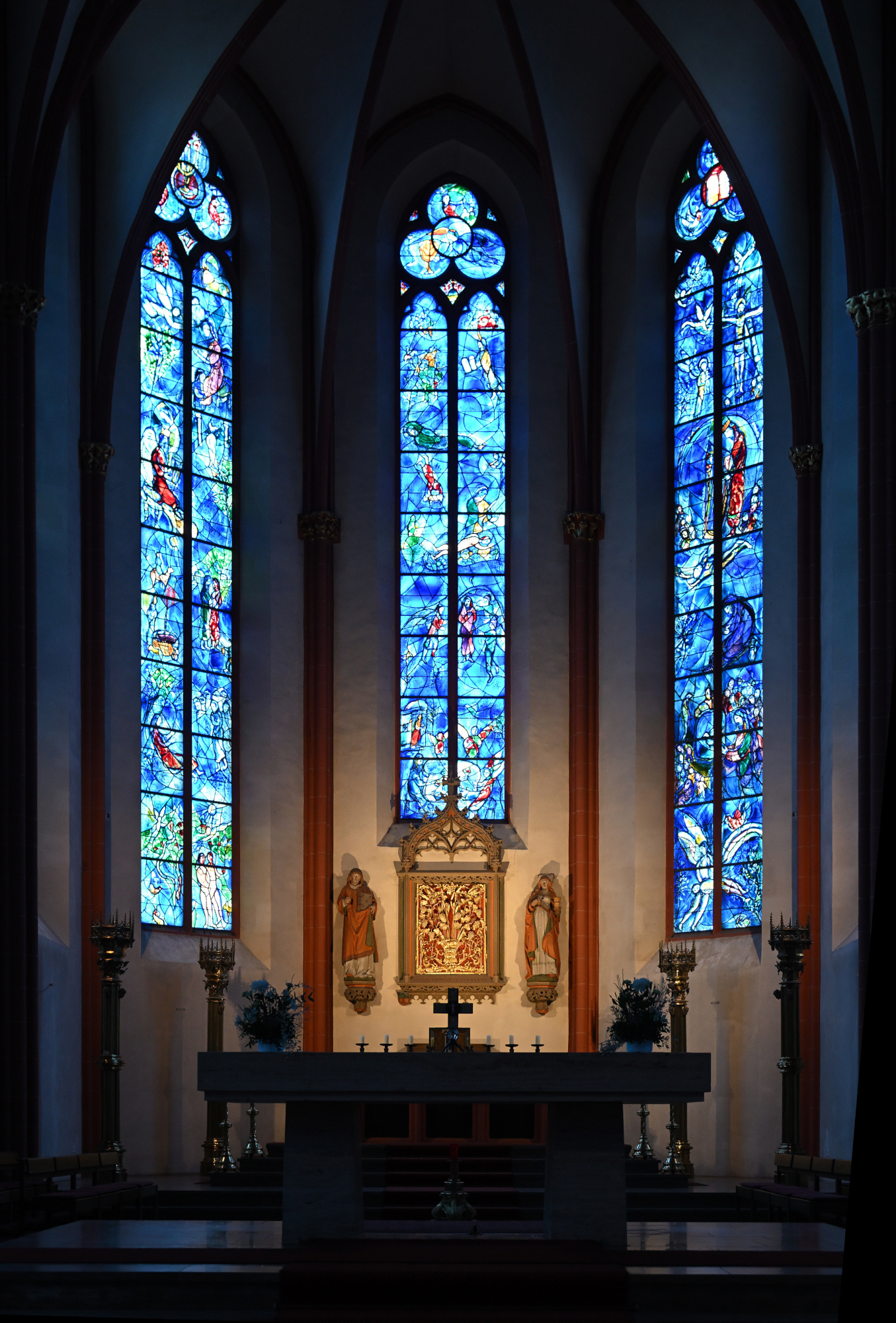
1/25s f/4 ISO 400/27° 16-50mm f/2,8 VR f=22mm/33mm
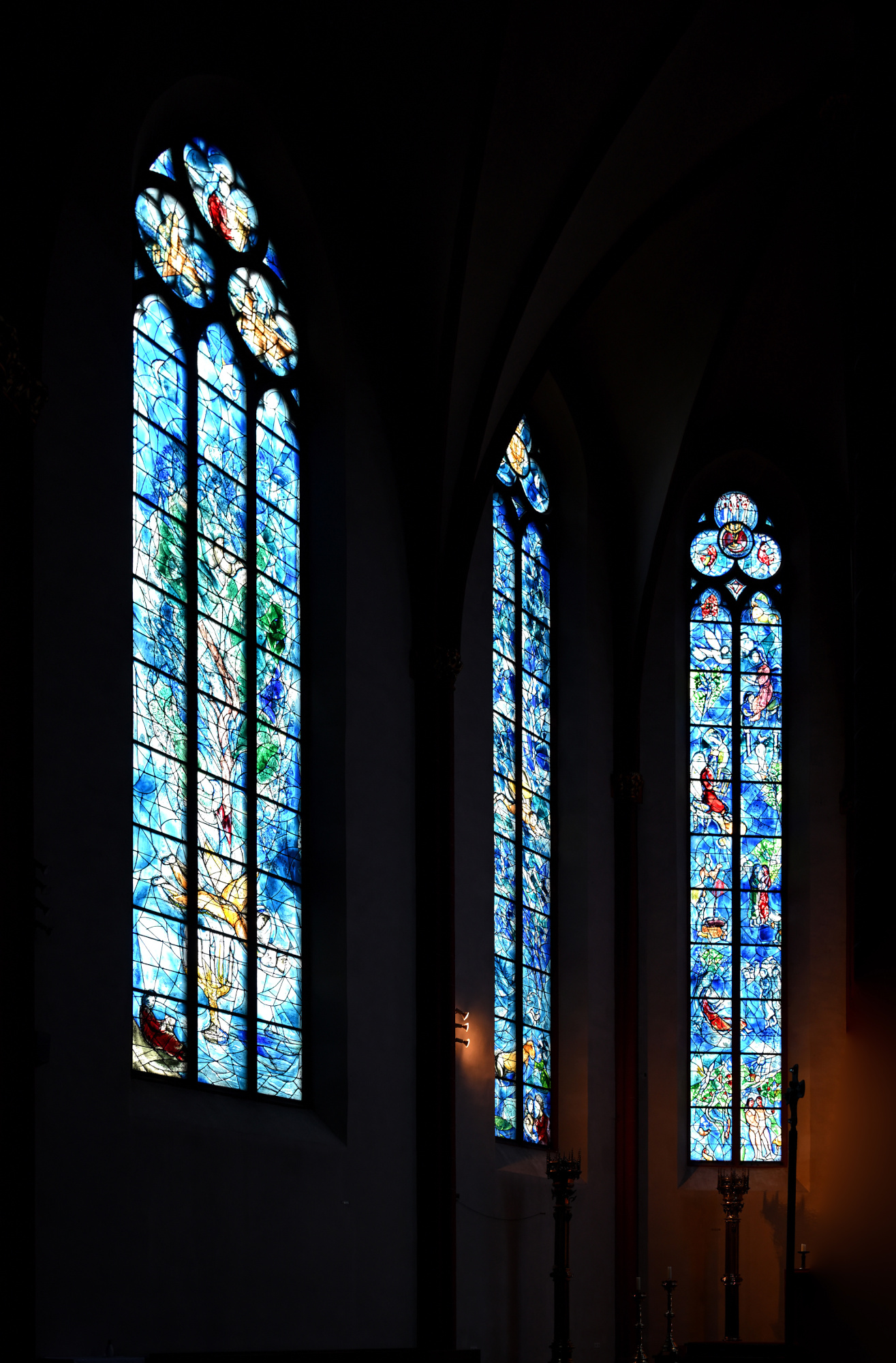
1/20s f/2,8 ISO 250/25° 16-50mm f/2,8 VR f=38mm/57mm
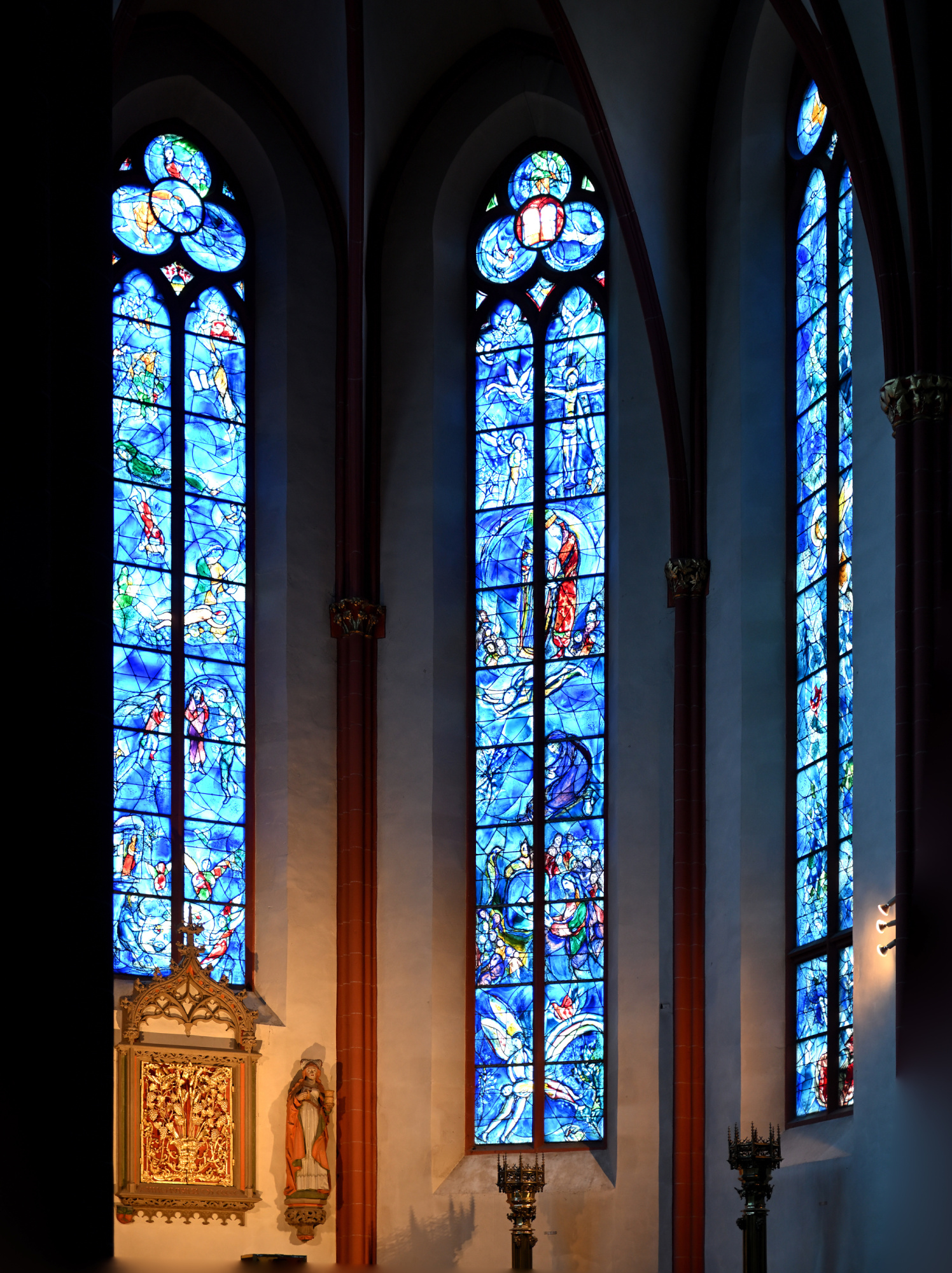
1/30s f/2,8 ISO 250/25° 16-50mm f/2,8 VR f=31mm/46mm
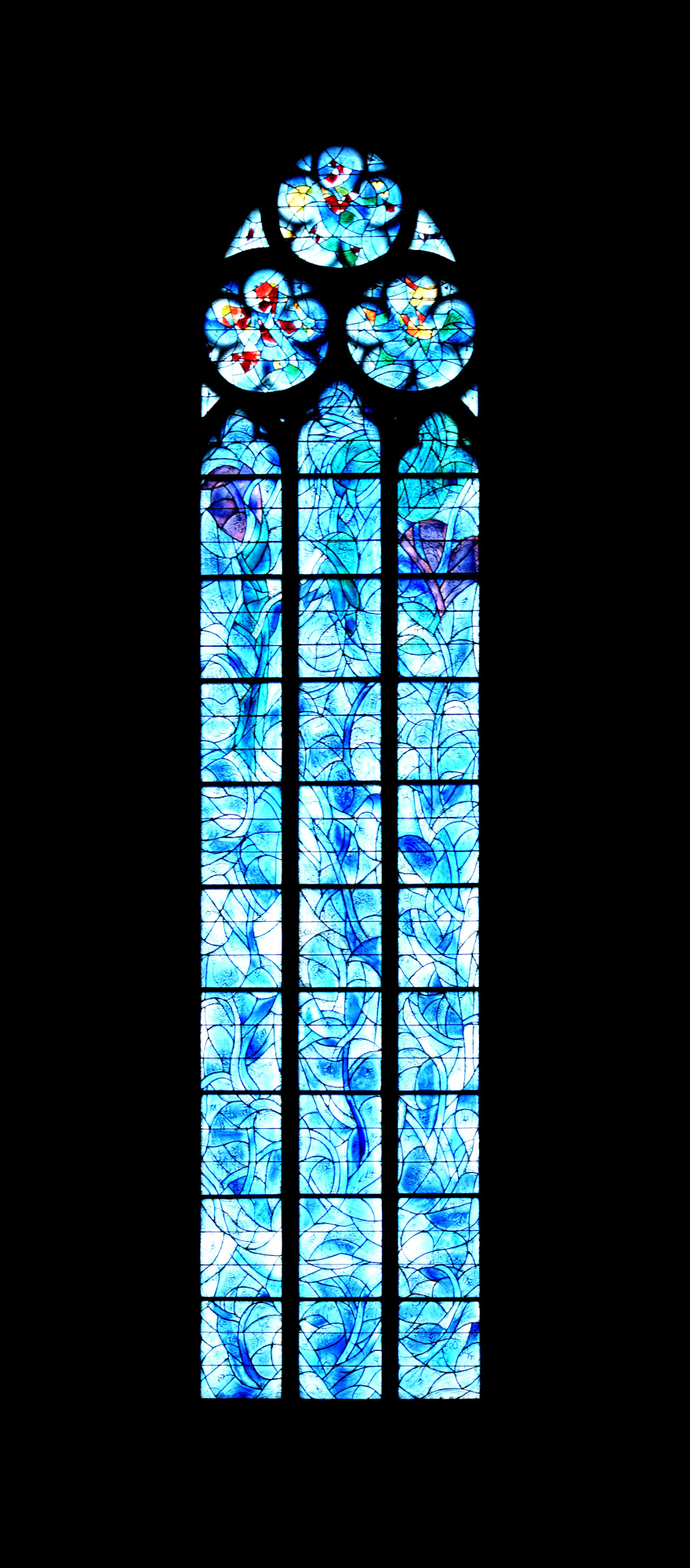
1/30s f/4,5 ISO 400/27° f=13mm
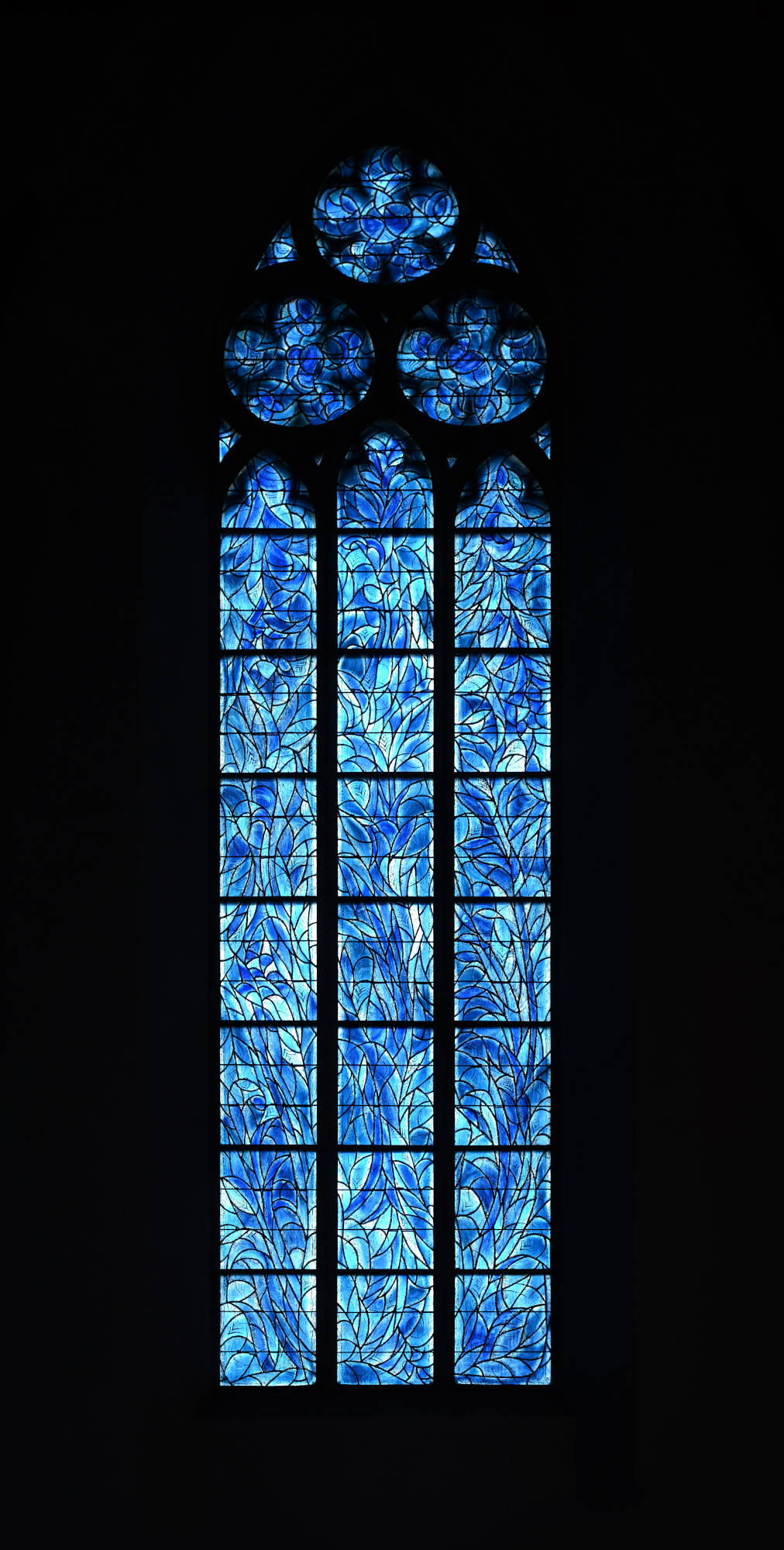
1/25s f/4 ISO 250/25° 16-50mm f/2,8 VR f=30mm/45mm
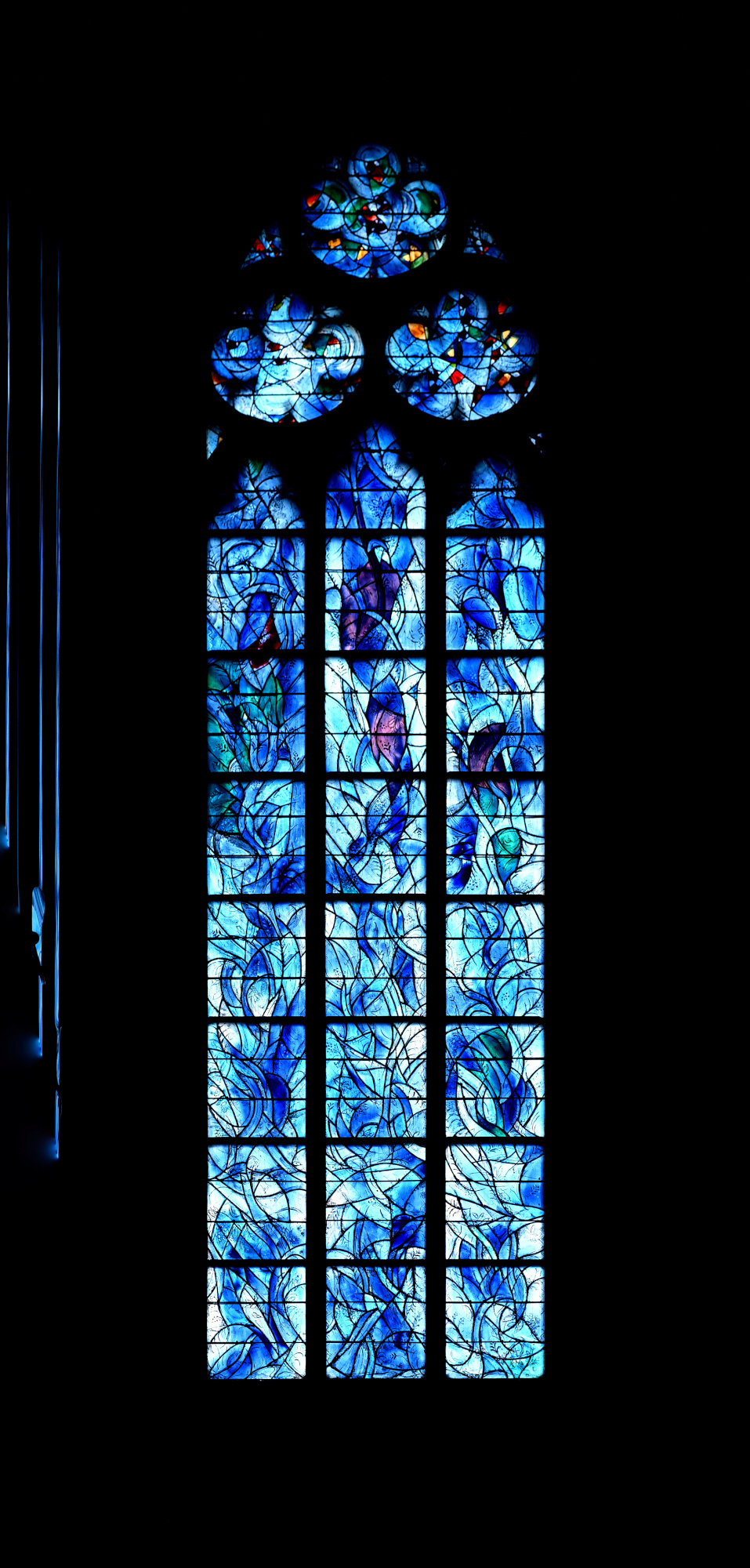
1/13s f/3,5 ISO 400/27° 16-50mm f/2,8 VR f=41mm/61mm
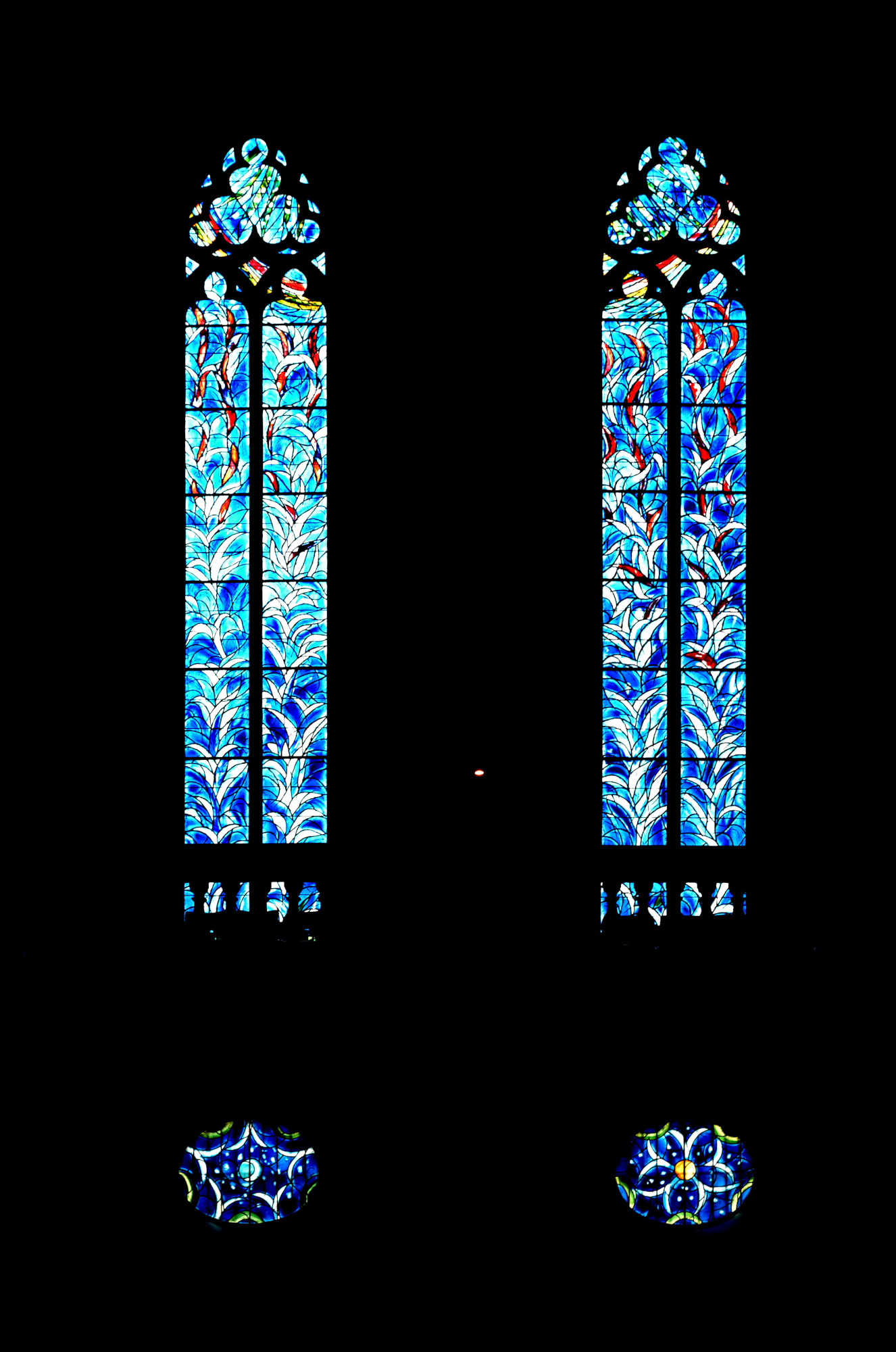
1/40s f/3,2 ISO 800/30° 16-50mm f/2,8 VR f=50mm/75mm
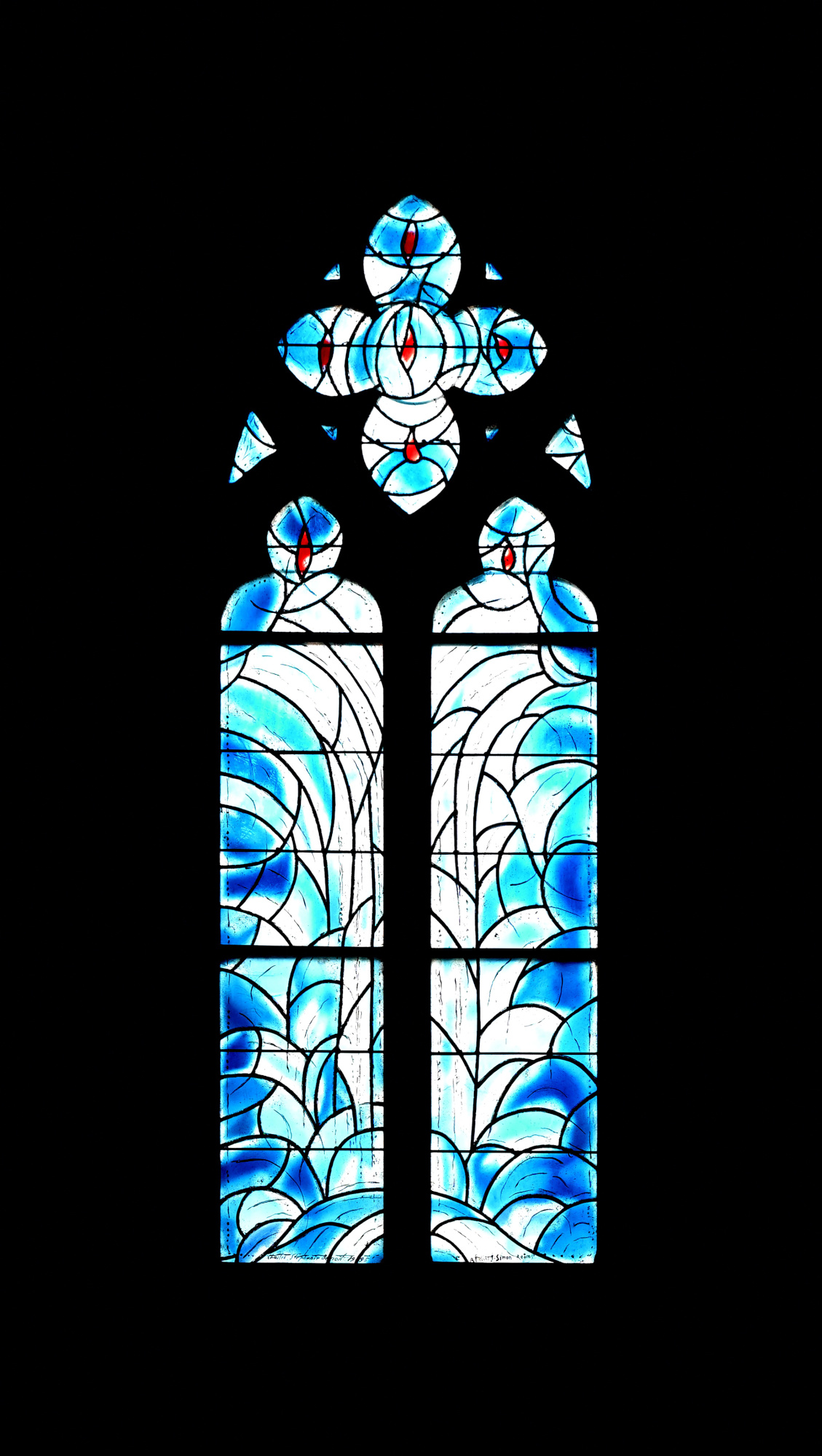
1/50s f/3,5 ISO 800/30° 16-50mm f/2,8 VR f=50mm/75mm
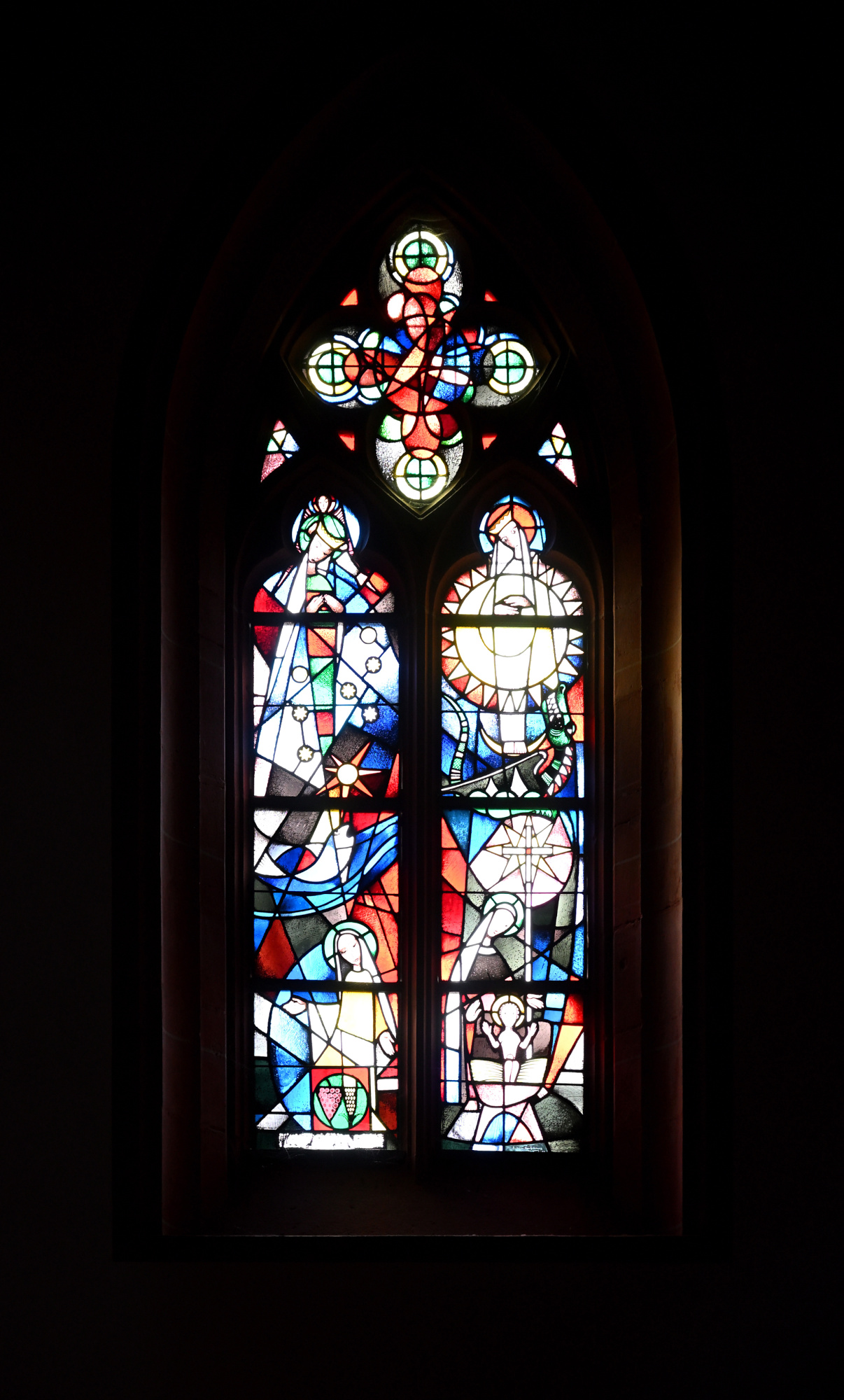
Interaktives Panorama Chagall Fenster der Stephanskirche 1
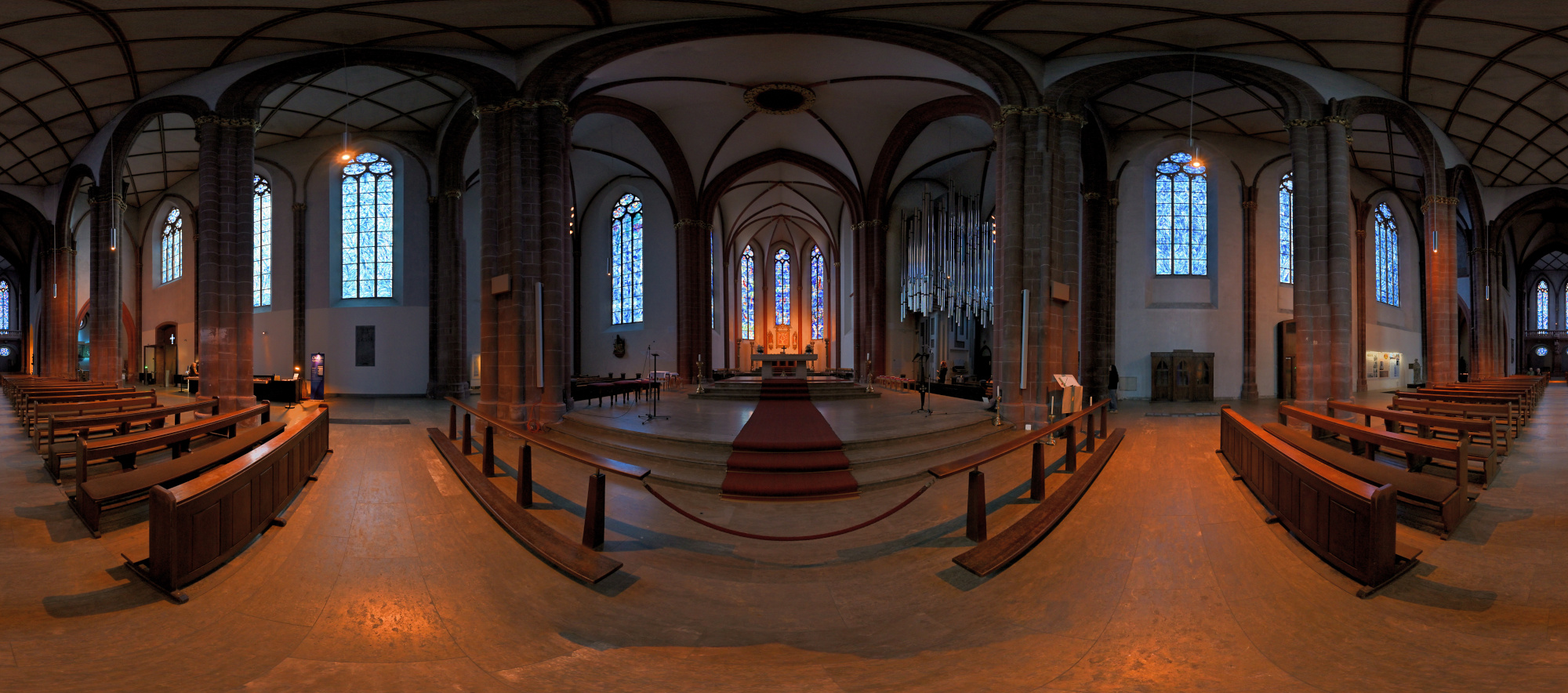
1/50s f/2 ISO 200/24° f=7,5mm

Interaktives Panorama Chagall Fenster der Stephanskirche 2
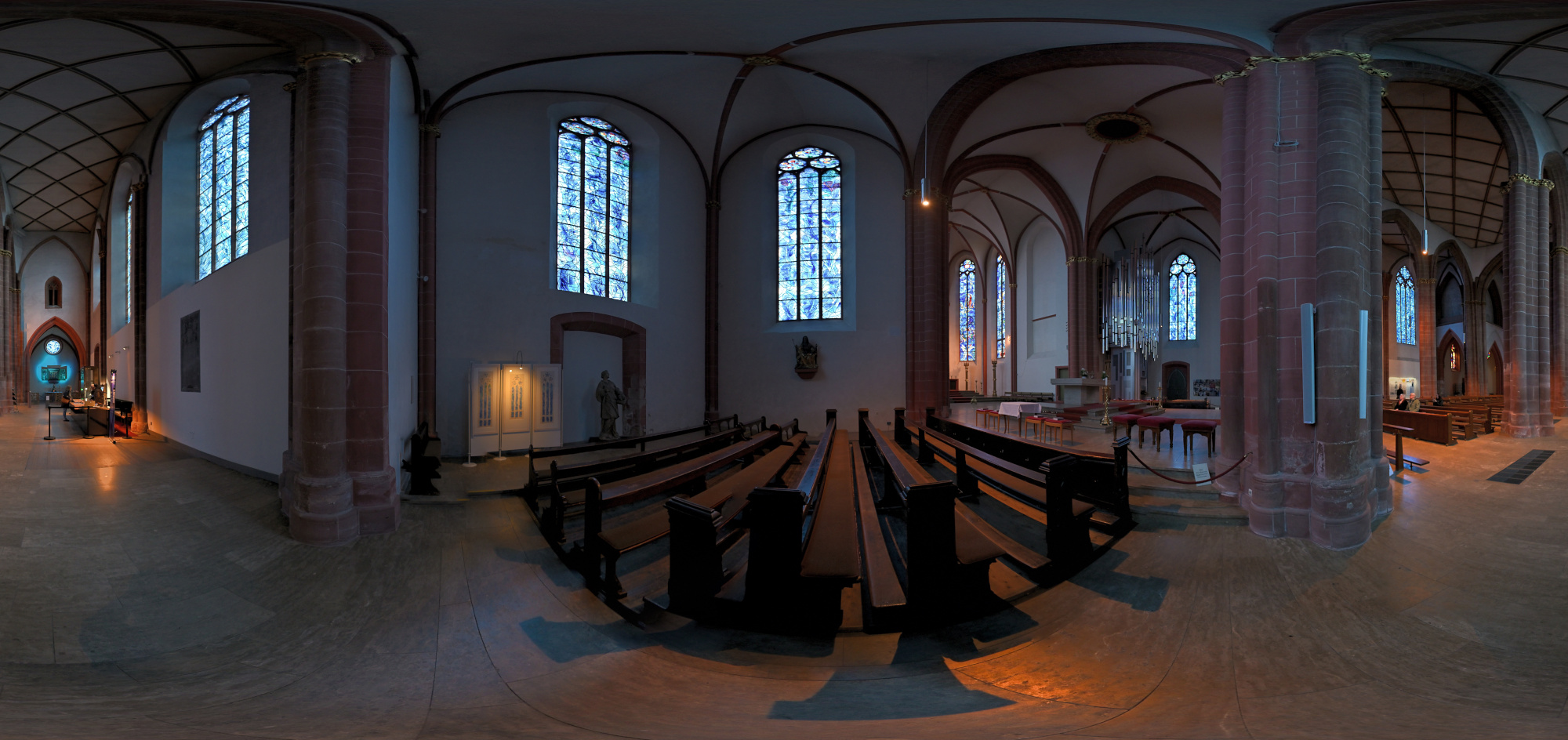
1/50s f/2 ISO 250/25° f=7,5mm

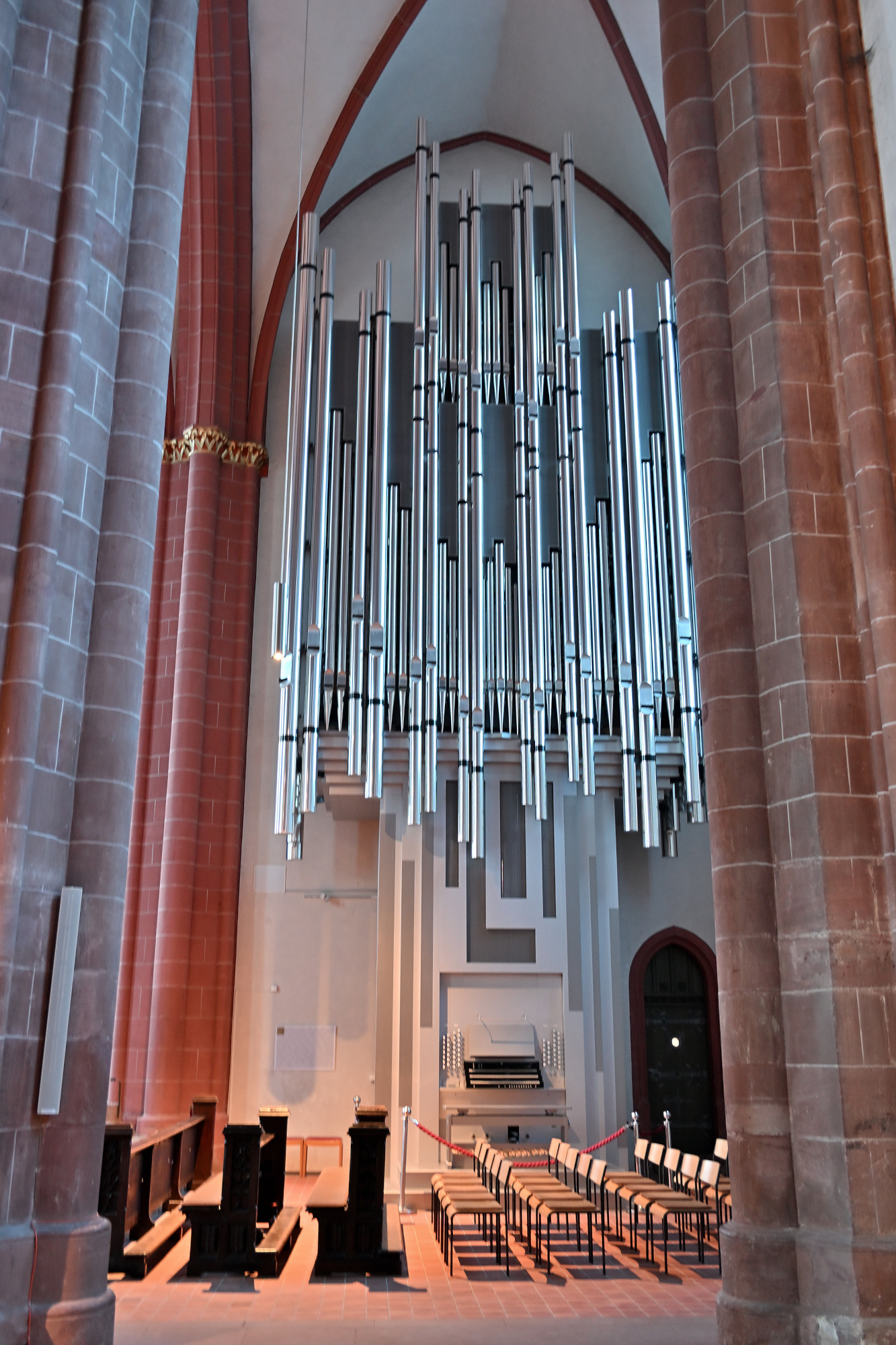
Klais-Orgel im St Stephan, Klang trifft Licht
Die heutige Orgel der Stephanskirche wurde von der Werkstatt Klais aus Bonn gebaut und im Jahr 2013 eingeweiht. Sie entstand nach einem Wettbewerb, bei dem der Entwurf von Klais überzeugte, weil er sich bewusst an der Architektur und am Licht der Kirche orientiert. Die metallischen Flächen der Orgel nehmen die Farben der Chagall Fenster auf und spiegeln sie im Raum wider.
Das Instrument besitzt drei Manuale und Pedal sowie 47 Register und wurde so konzipiert, dass es den weiten Kirchenraum mühelos füllt. Die schlanke Bauweise lässt die Orgel fast wie eine Skulptur wirken, die sich nach oben öffnet und den Raum nicht dominiert, sondern begleitet.
Hier wurde eine längere Belichtungszeit mit niedrigem ISO verwendet, aber die Bildstabilisierung konnte das nicht ganz ausgleichen.
0,3s f/3,5 ISO 400/27° 16-50mm f/2,8 VR f=24mm/36mm
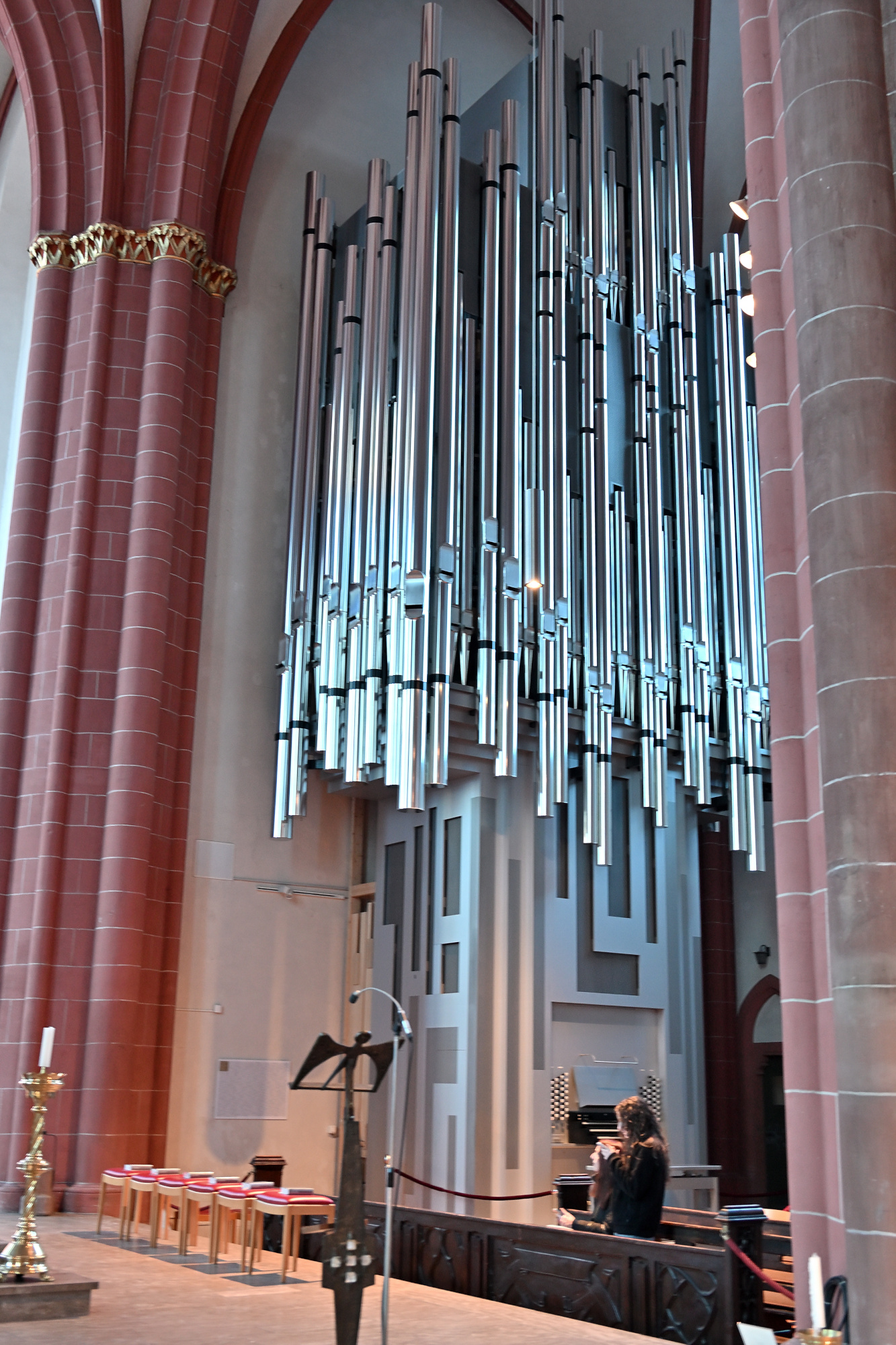
0,4s f/2,8 ISO 250/25° 16-50mm f/2,8 VR f=20mm/30mm
Innenraum der Stephanskirche
1/5s f/2,8 ISO 800/30° 16-50mm f/2,8 VR f=16mm/24mm
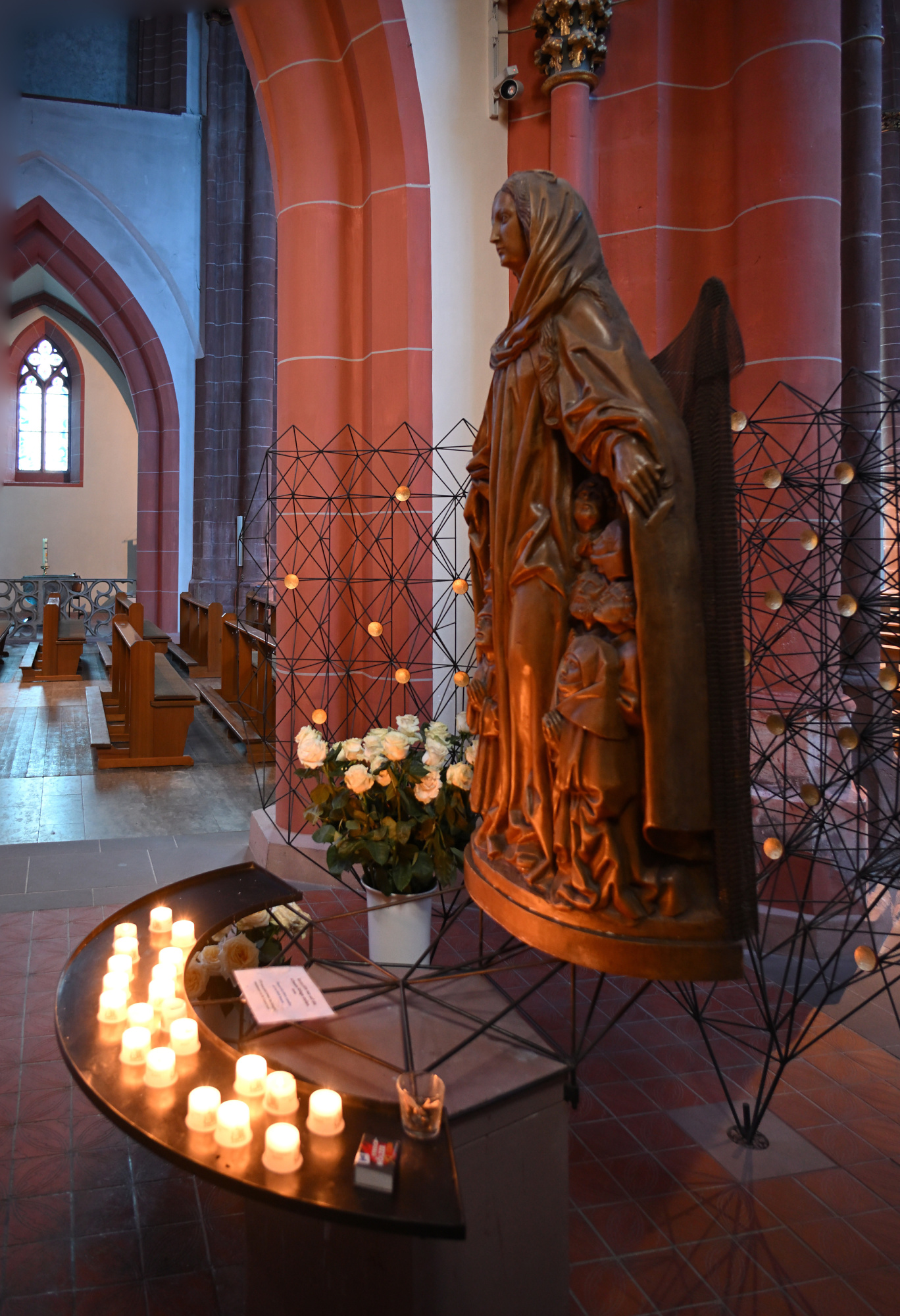
1/30s f/2,8 ISO 800/30° 16-50mm f/2,8 VR f=50mm/75mm
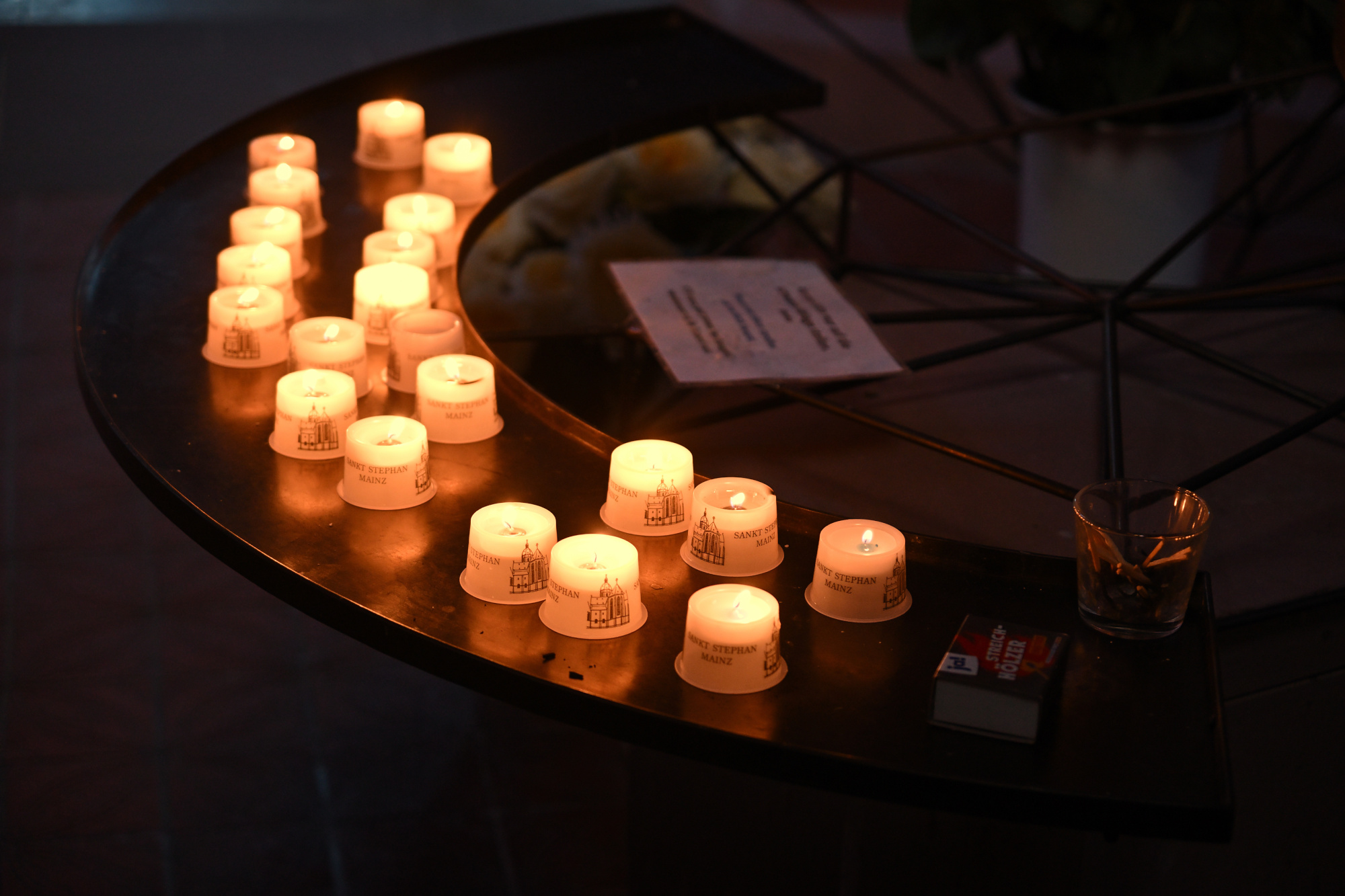
0,3s f/3,5 ISO 1000/31° 16-50mm f/2,8 VR f=26mm/39mm
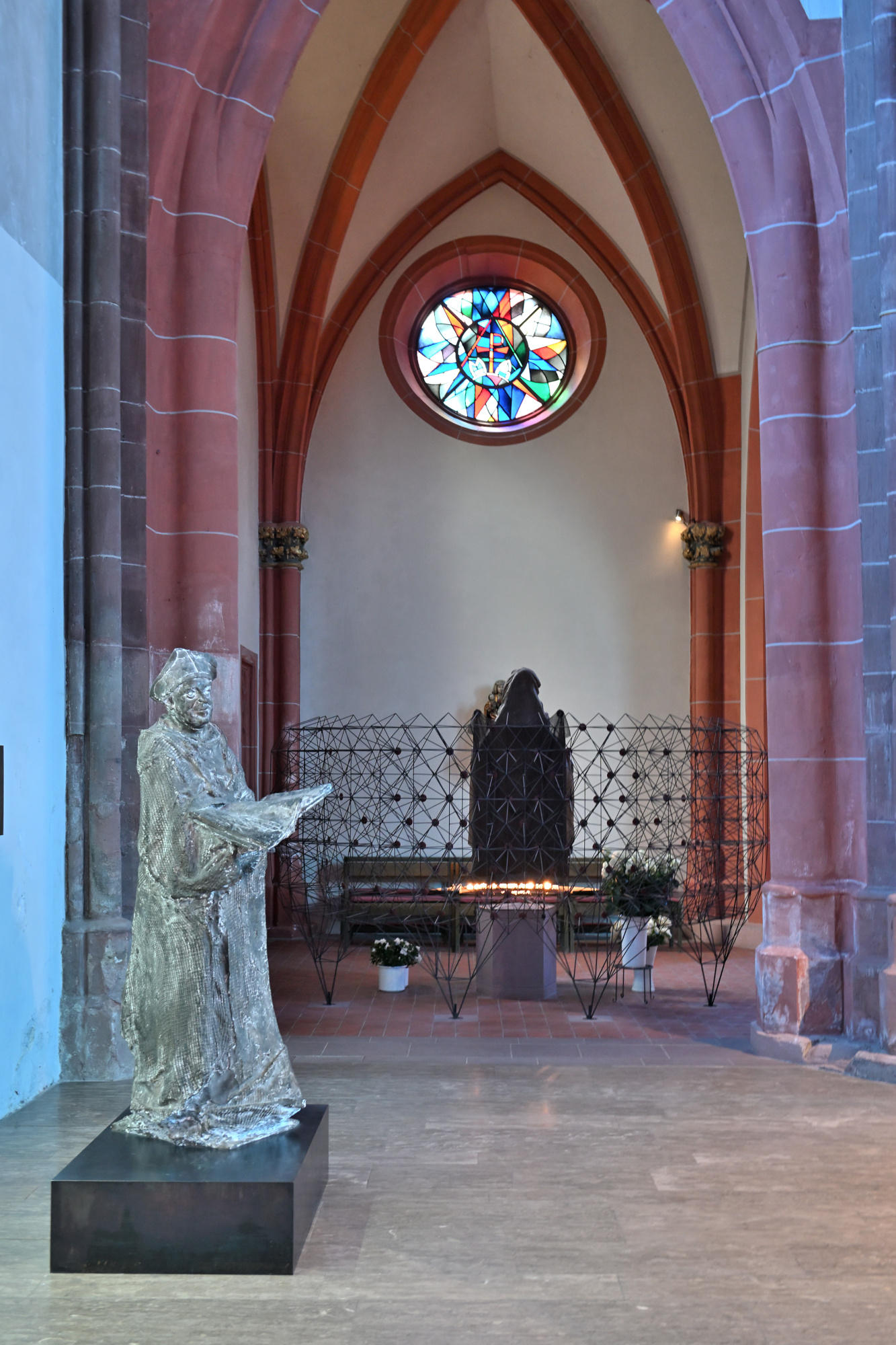
1/25s f/2,8 ISO 800/30° 16-50mm f/2,8 VR f=16mm/24mm
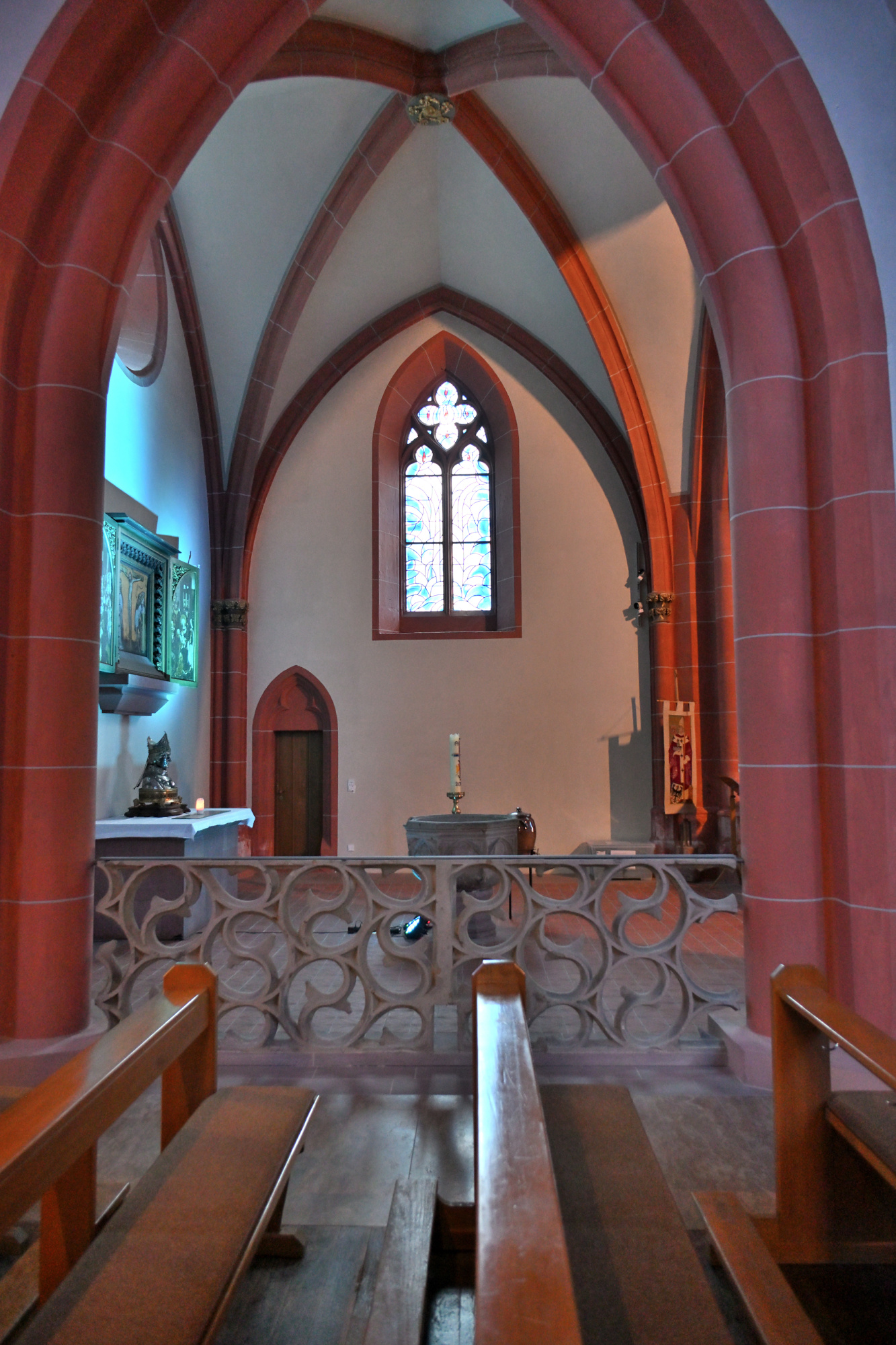
1/25s f/2,8 ISO 800/30° 16-50mm f/2,8 VR f=16mm/24mm
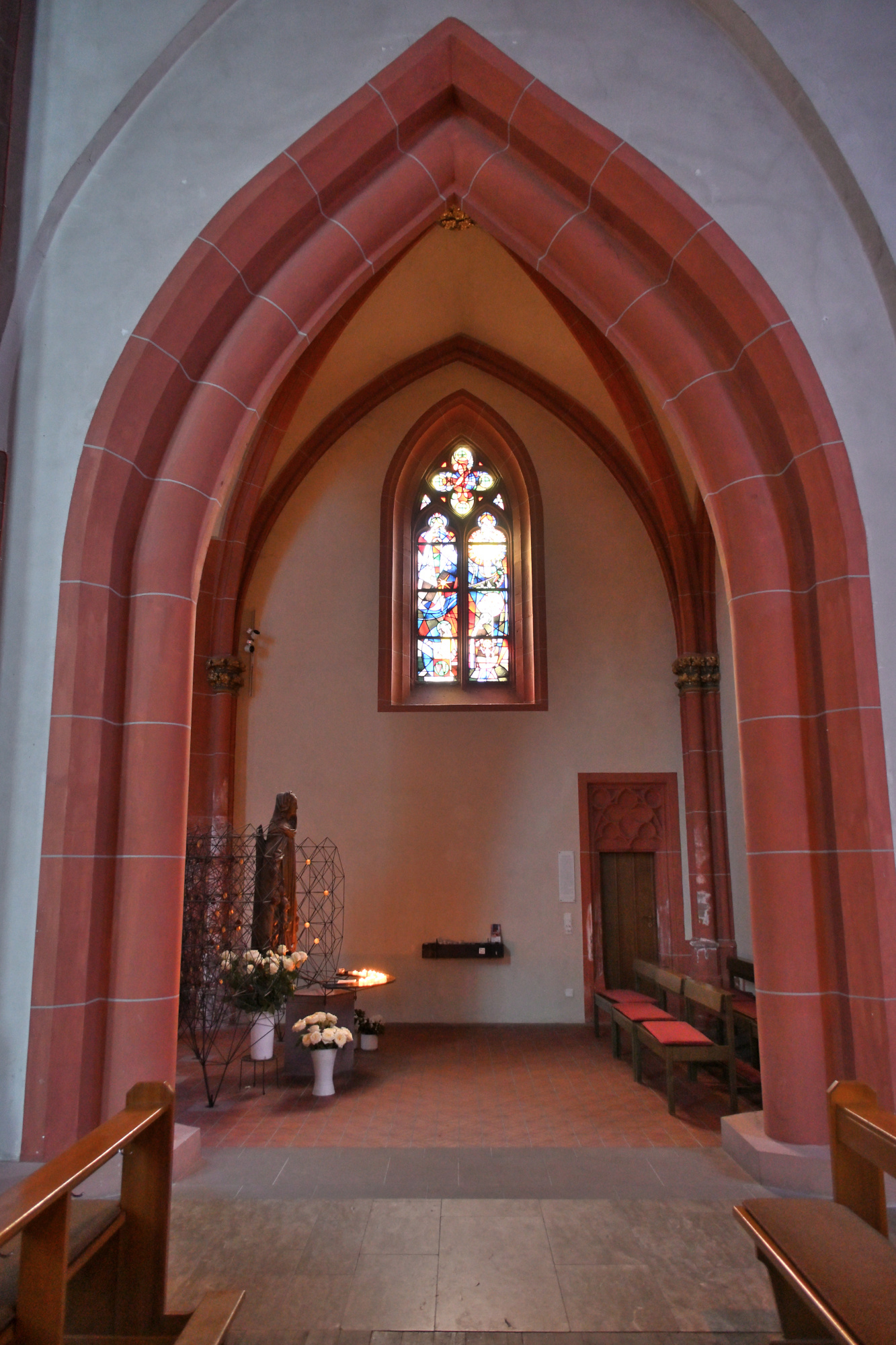
1/50s f/5,6 ISO 640/29° f=7,5mm
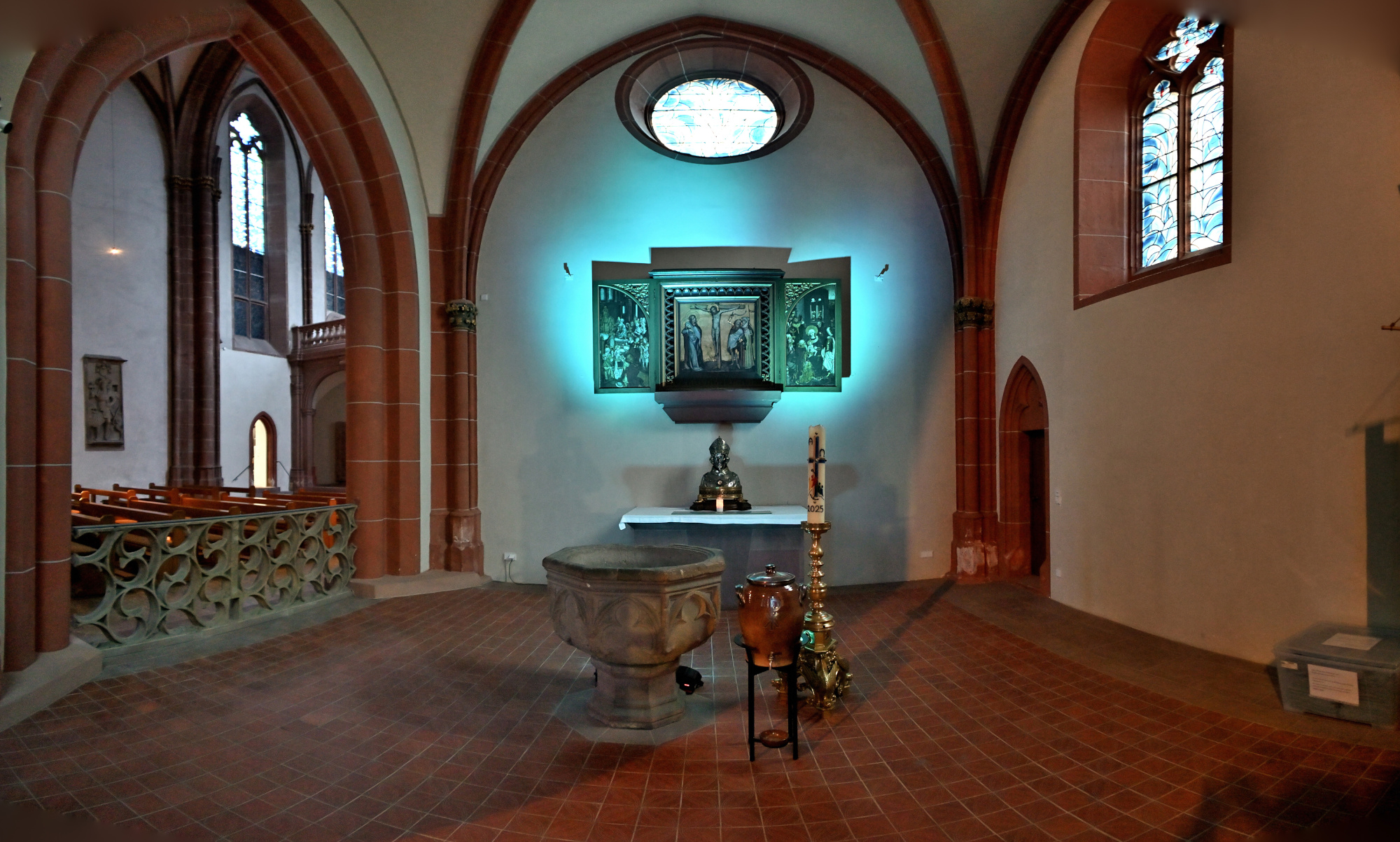
1/8s f/3,5 ISO 1000/31° 16-50mm f/2,8 VR f=28mm/42mm
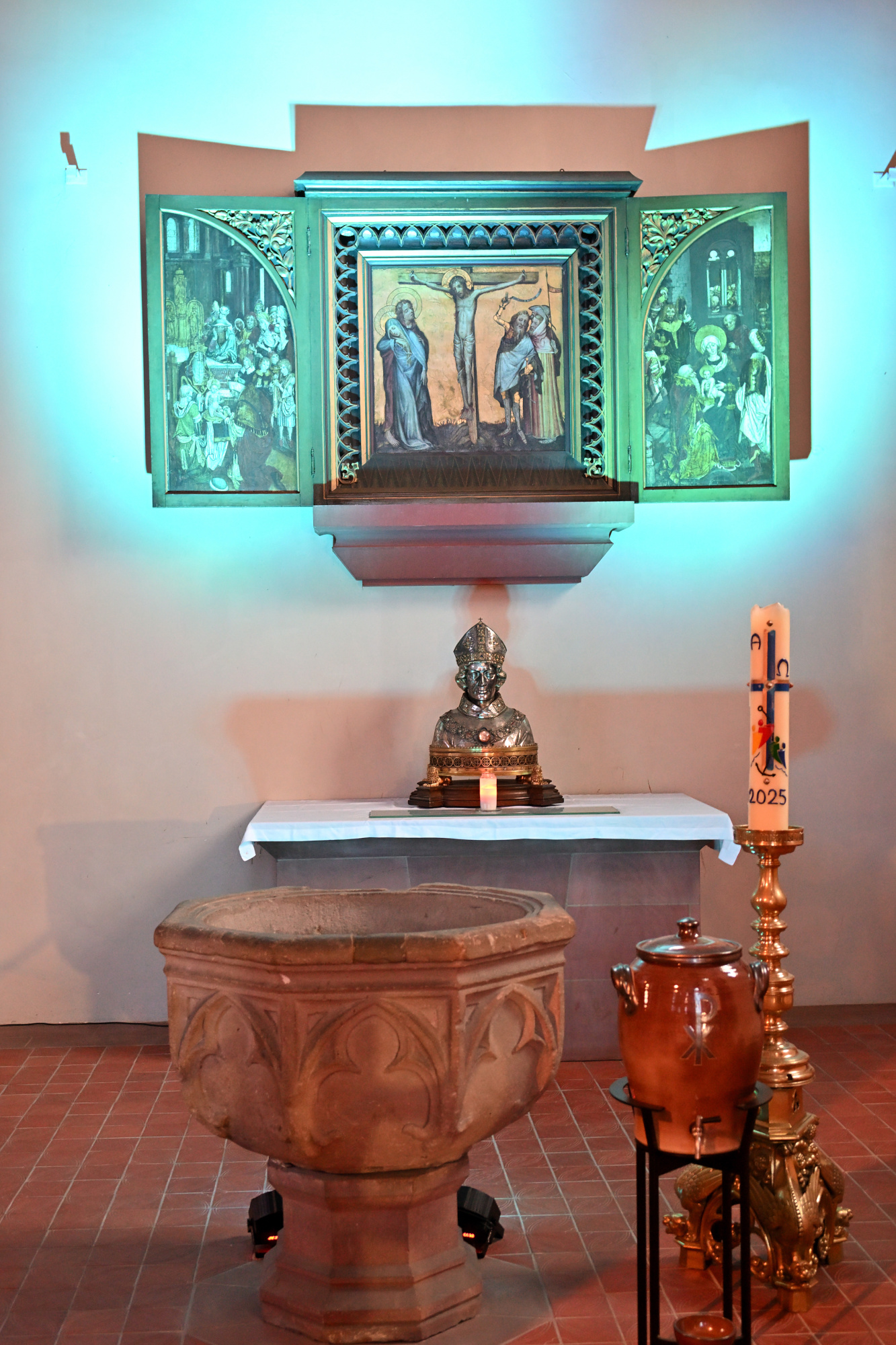
1/13s f/3,5 ISO 1000/31° 16-50mm f/2,8 VR f=16mm/24mm
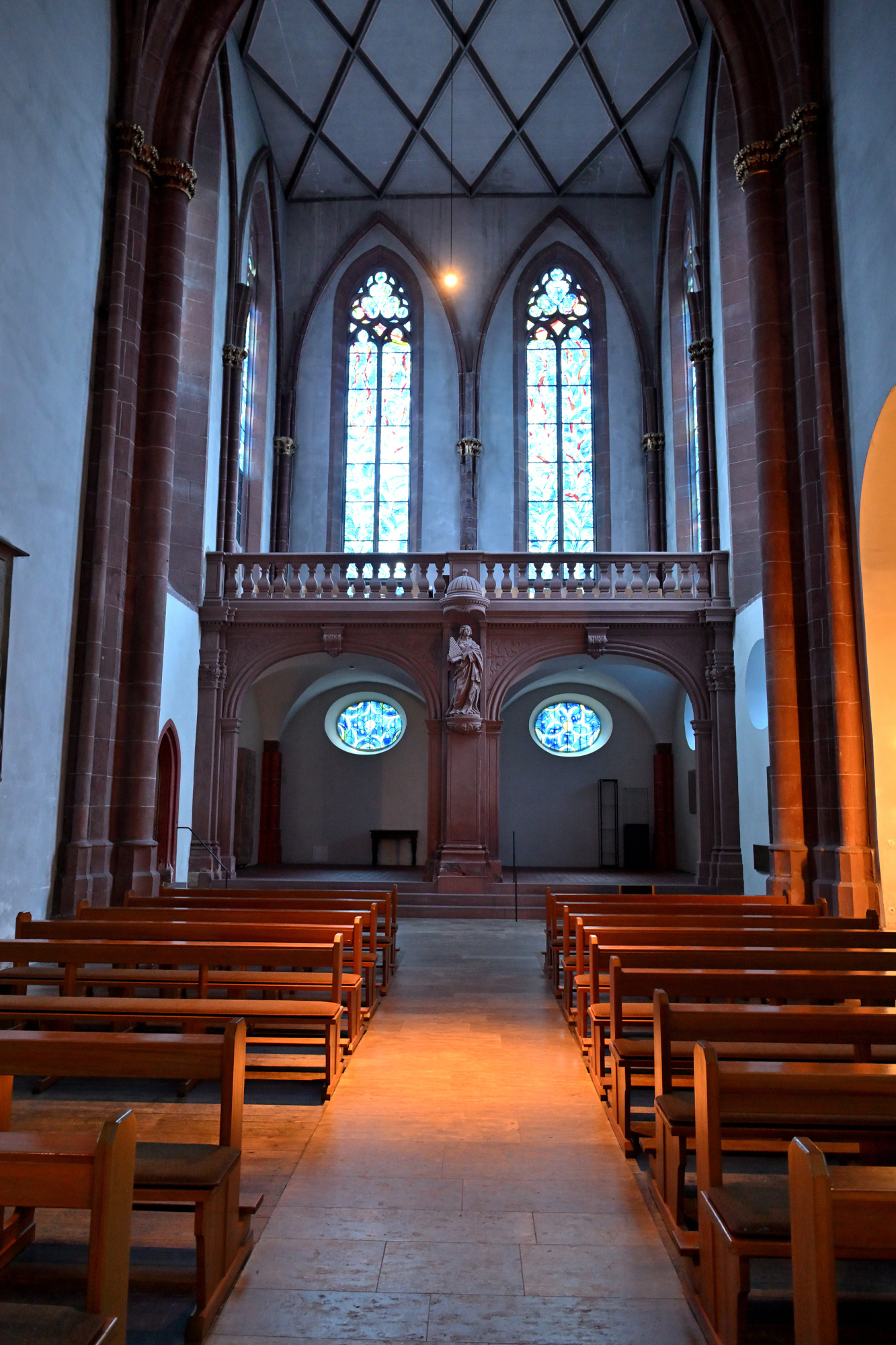
1/15s f/3,5 ISO 1000/31° 16-50mm f/2,8 VR f=16mm/24mm
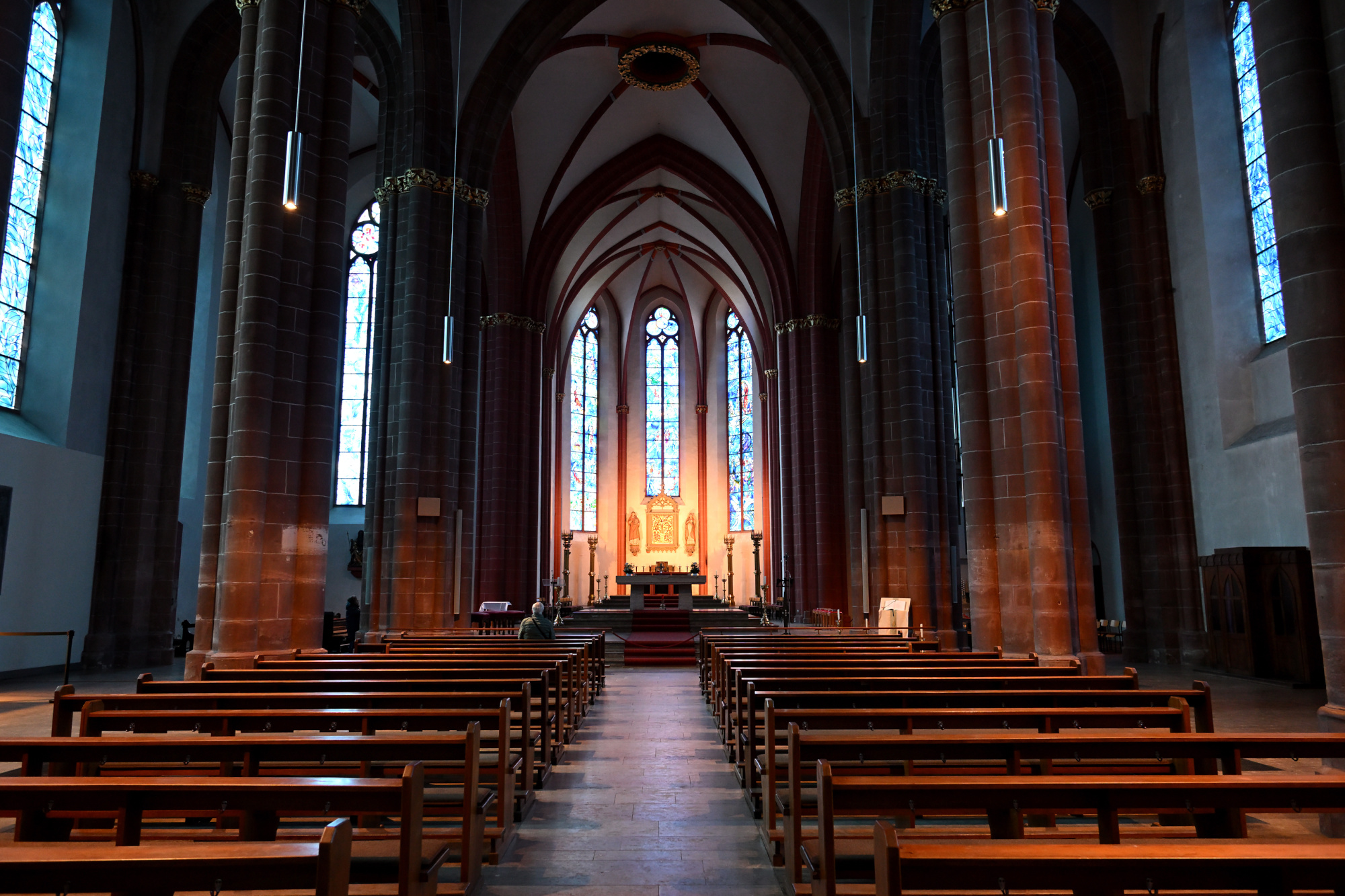
1/5s f/3,5 ISO 400/27° 16-50mm f/2,8 VR f=16mm/24mm
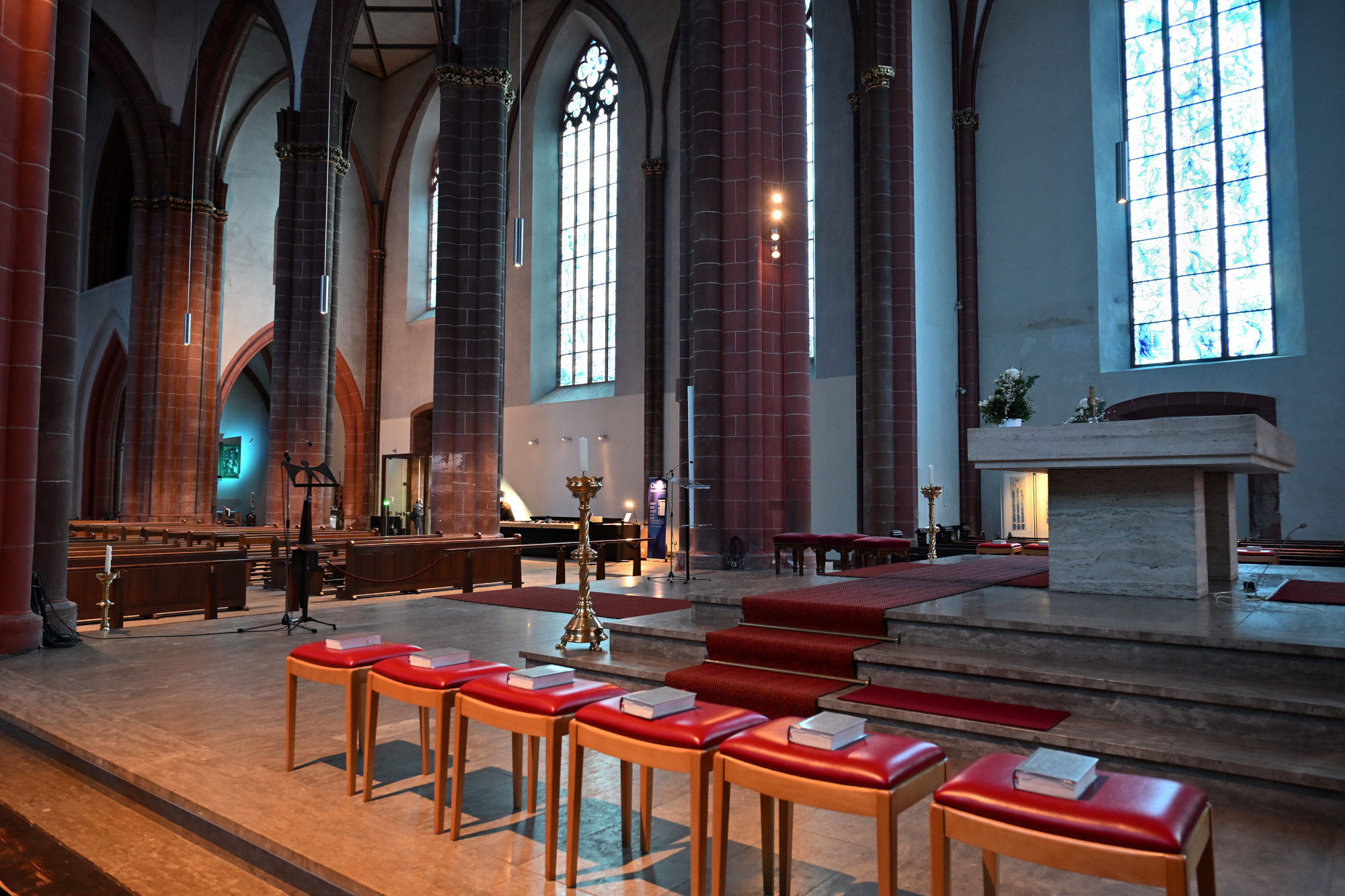
1/25s f/4 ISO 1000/31° 16-50mm f/2,8 VR f=16mm/24mm
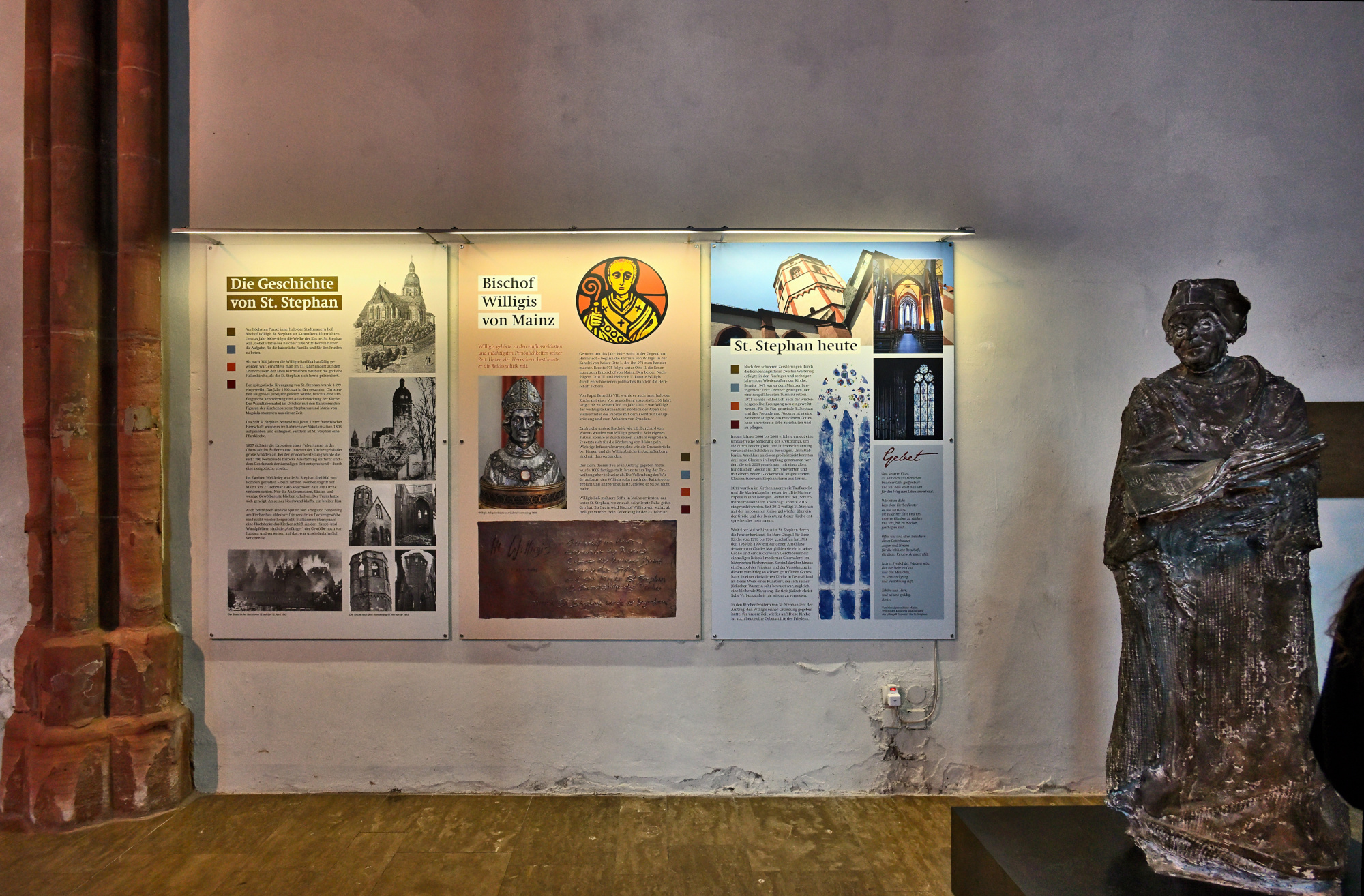
Kreuzgang der Stephanskirche
Der Kreuzgang der Stephanskirche gehört zu den spätgotischen Anlagen der Stadt und wurde im Jahr 1499 vollendet. Er entstand rund eine Generation nach dem Bau der Kirche und wurde von den Stiftsherren in Auftrag gegeben, die damit einen geschützten, ruhigen Bereich an der Südseite der Kirche schufen.
Die Anlage zeigt bis heute viele Spuren ihrer langen Geschichte. An den Wänden stehen zahlreiche Grabplatten, von denen die älteste aus dem Jahr 1048 stammt. Sie wurden im 19. Jahrhundert aus der Kirche hierher gebracht, um sie besser zu erhalten.
Auch der Kapitelsaal gehört zu diesem Ensemble. Seine Mittelsäule wurde bereits um das Jahr 780 geschaffen und später als Abgabe an das Stift übergeben, bevor sie hier ihren Platz fand.
Der Kreuzgang wurde im Laufe der Jahrhunderte mehrfach beschädigt, unter anderem durch die Explosion eines Pulverturms im Jahr 1857 und später im Zweiten Weltkrieg. Zwischen 1968 und 1971 wurde er sorgfältig wiederhergestellt.
Heute wirkt der Innenhof trotz seiner Geschichte leicht und offen. Wer dort entlanggeht, spürt die Ruhe des Ortes und die vielen Schichten der Vergangenheit, die sich in den Mauern gesammelt haben.
1/40s f/5,6 ISO 100/21° f=7,5mm
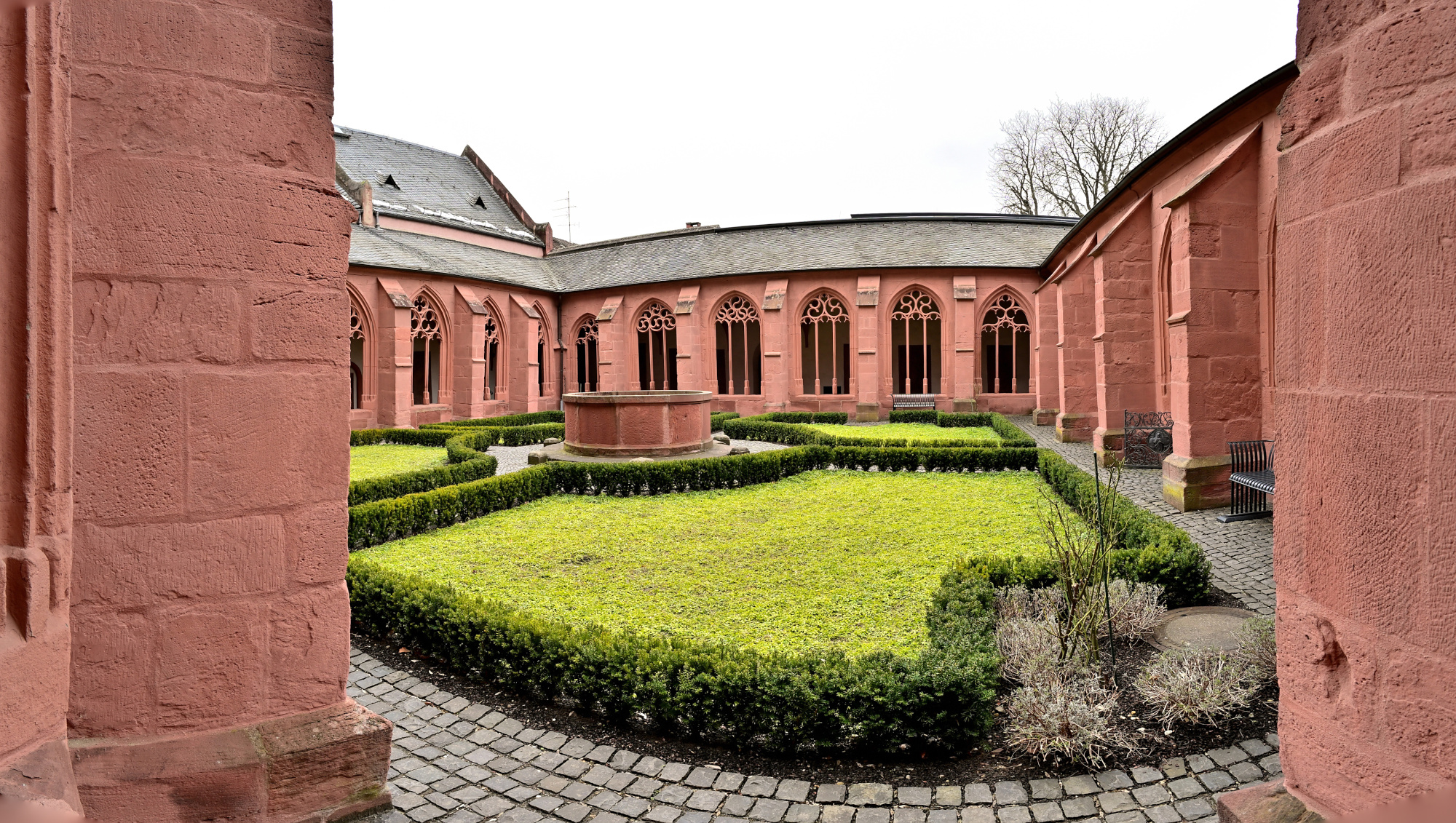
1/40s f/5,6 ISO 100/21° f=7,5mm
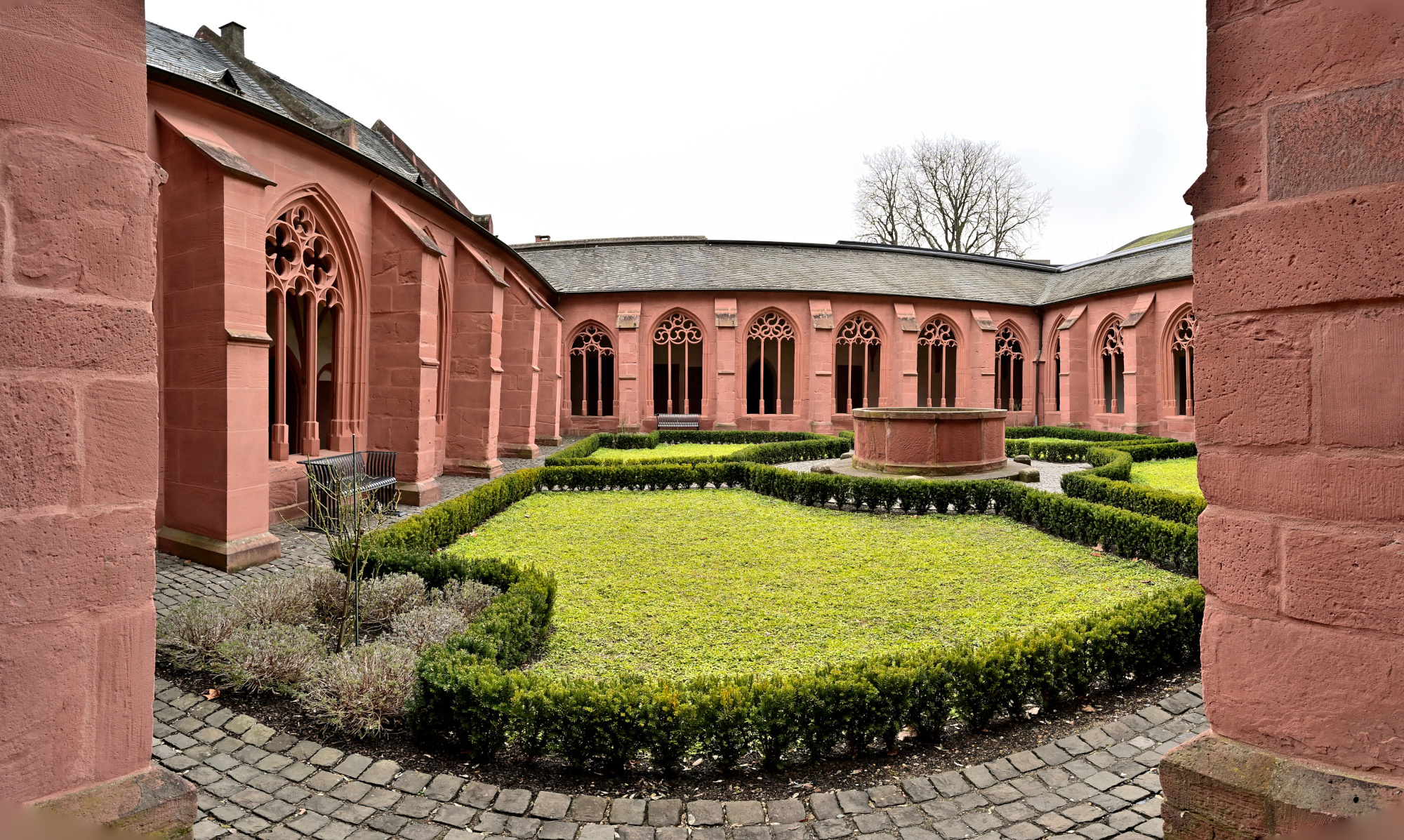
1/60s f/5,6 ISO 100/21° f=7,5mm
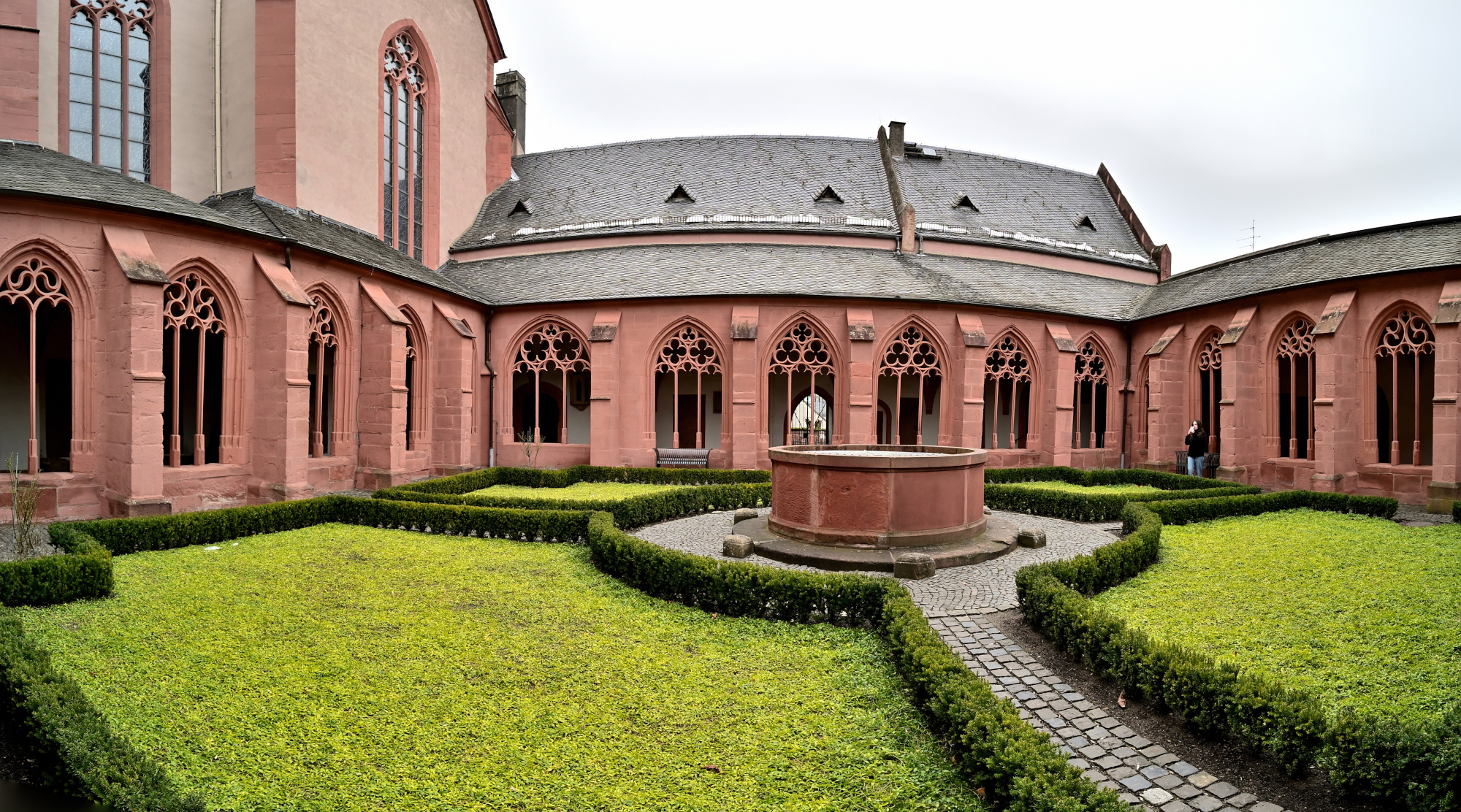
1/50s f/5,6 ISO 100/21° f=7,5mm
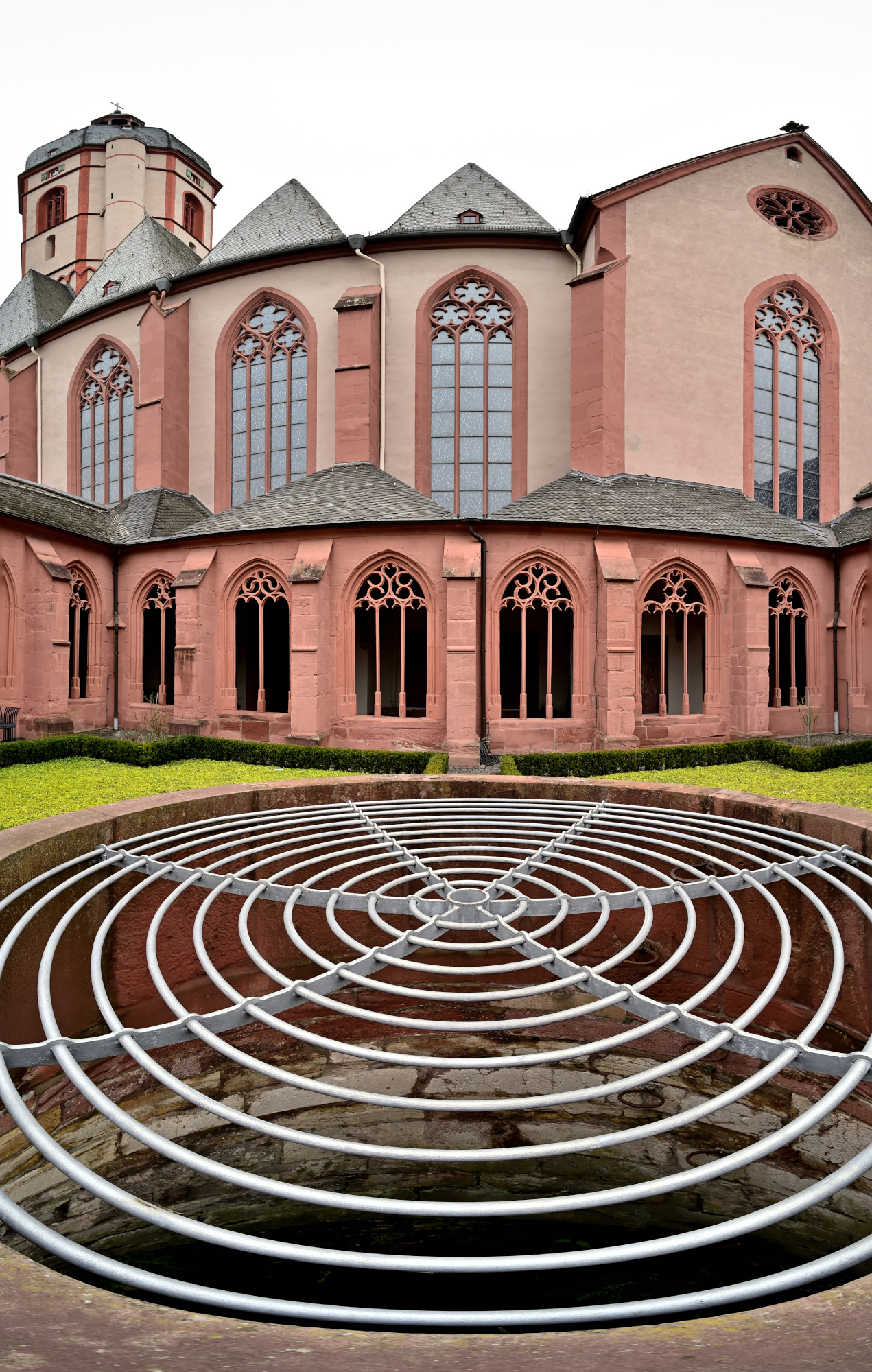
Kreuzgang-Ecken
1/40s f/5,6 ISO 640/29° f=7,5mm
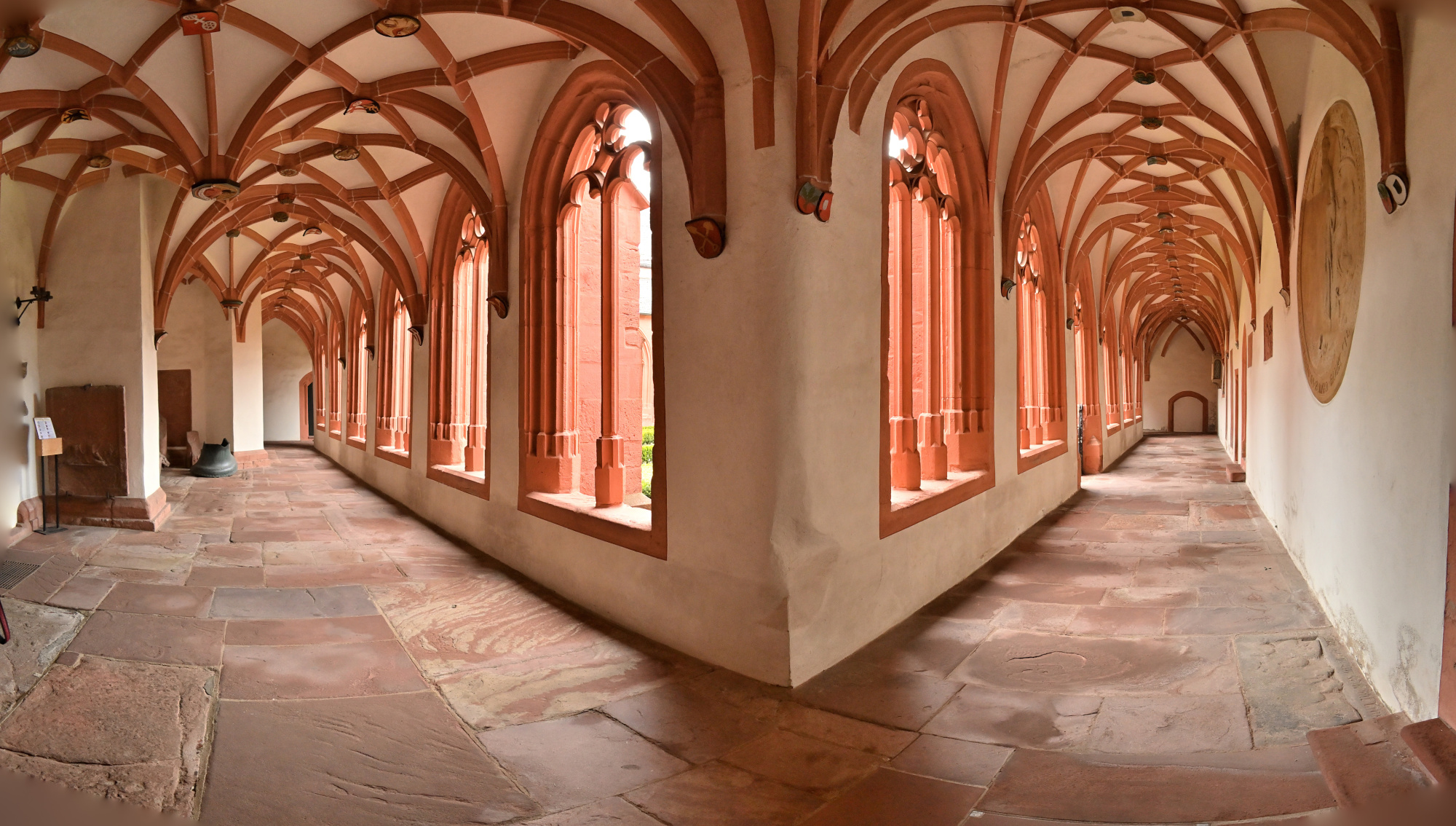
1/40s f/5,6 ISO 640/29° f=7,5mm
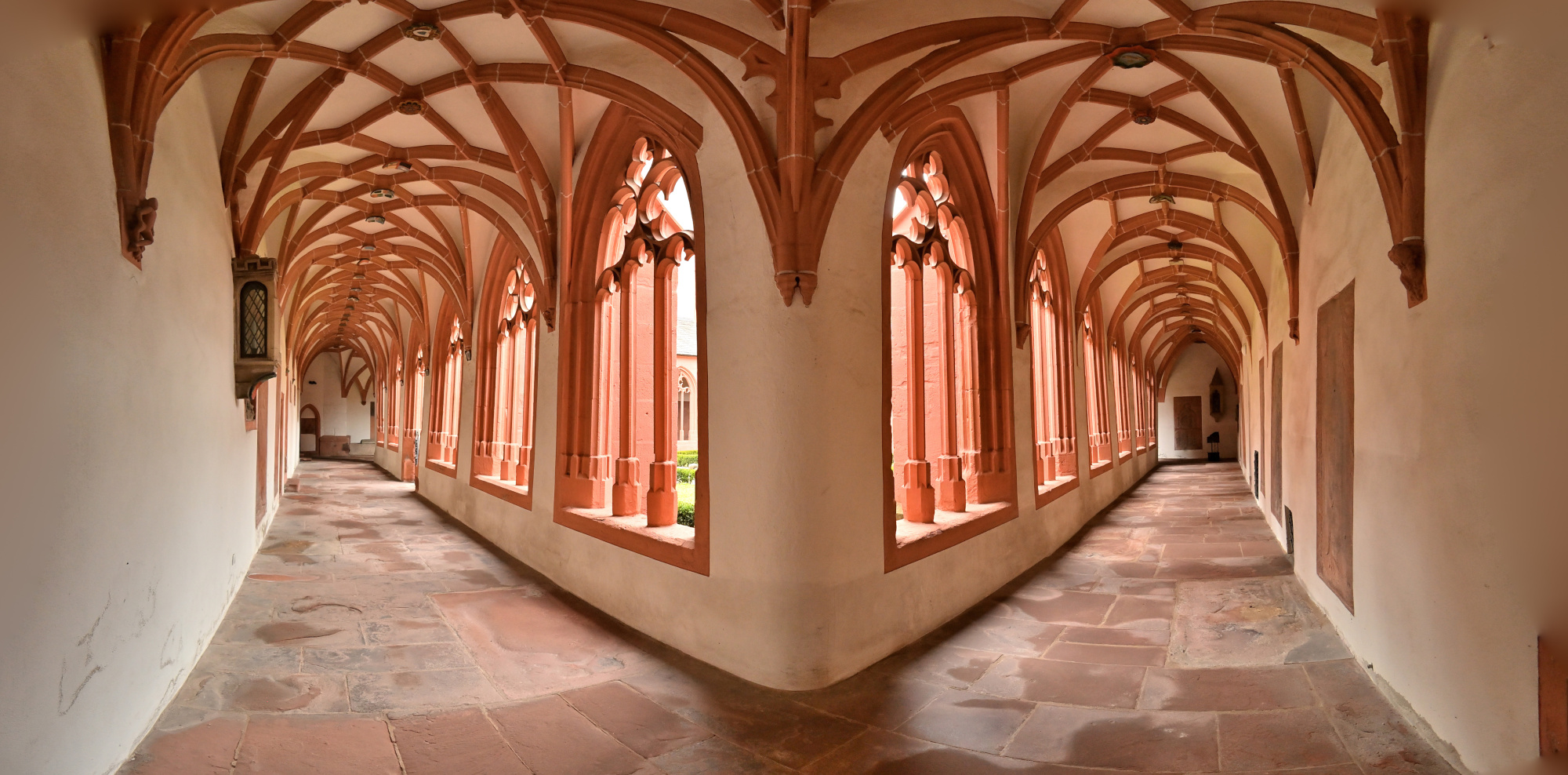
1/40s f/5,6 ISO 640/29° f=7,5mm
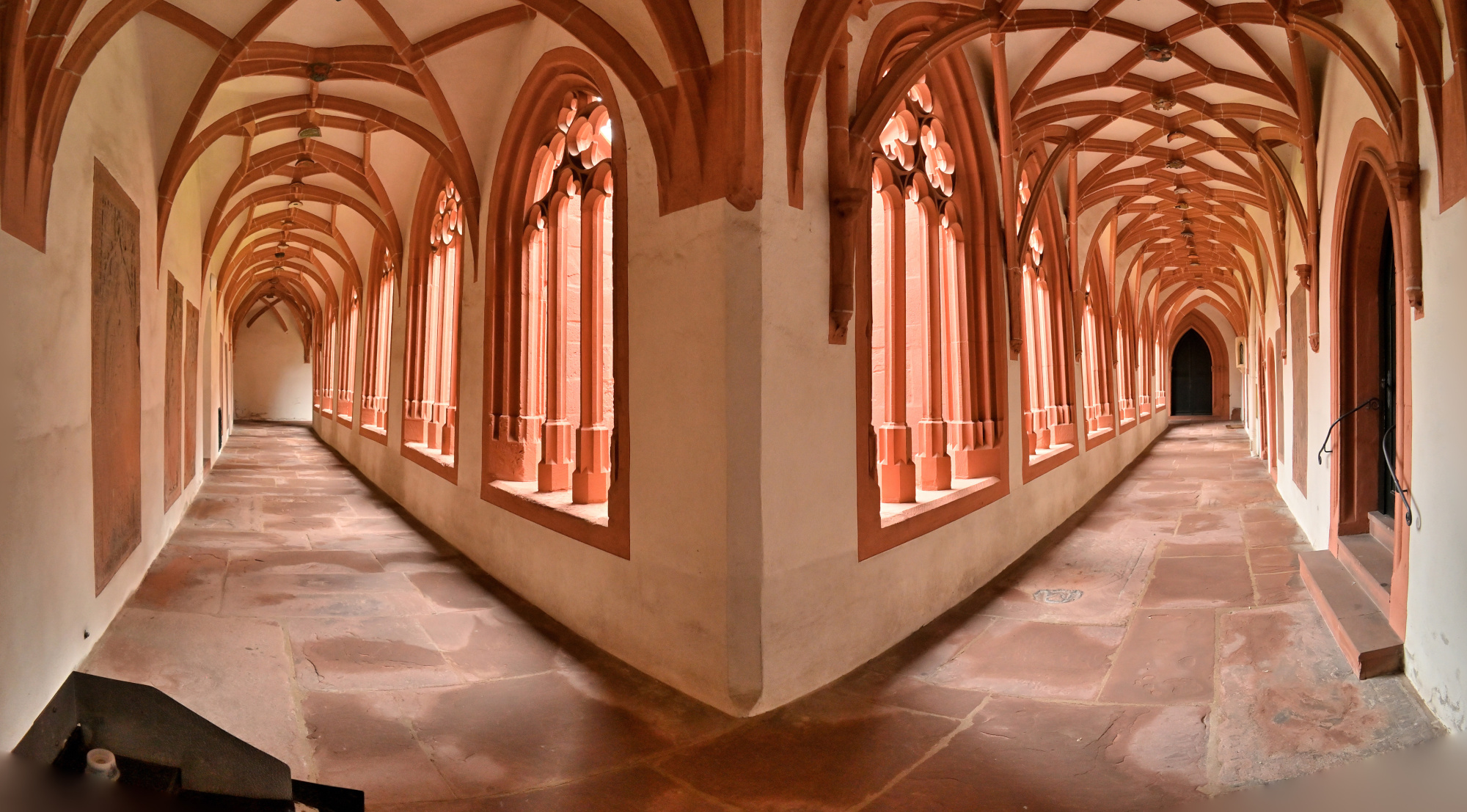
1/40s f/5,6 ISO 640/29° f=7,5mm
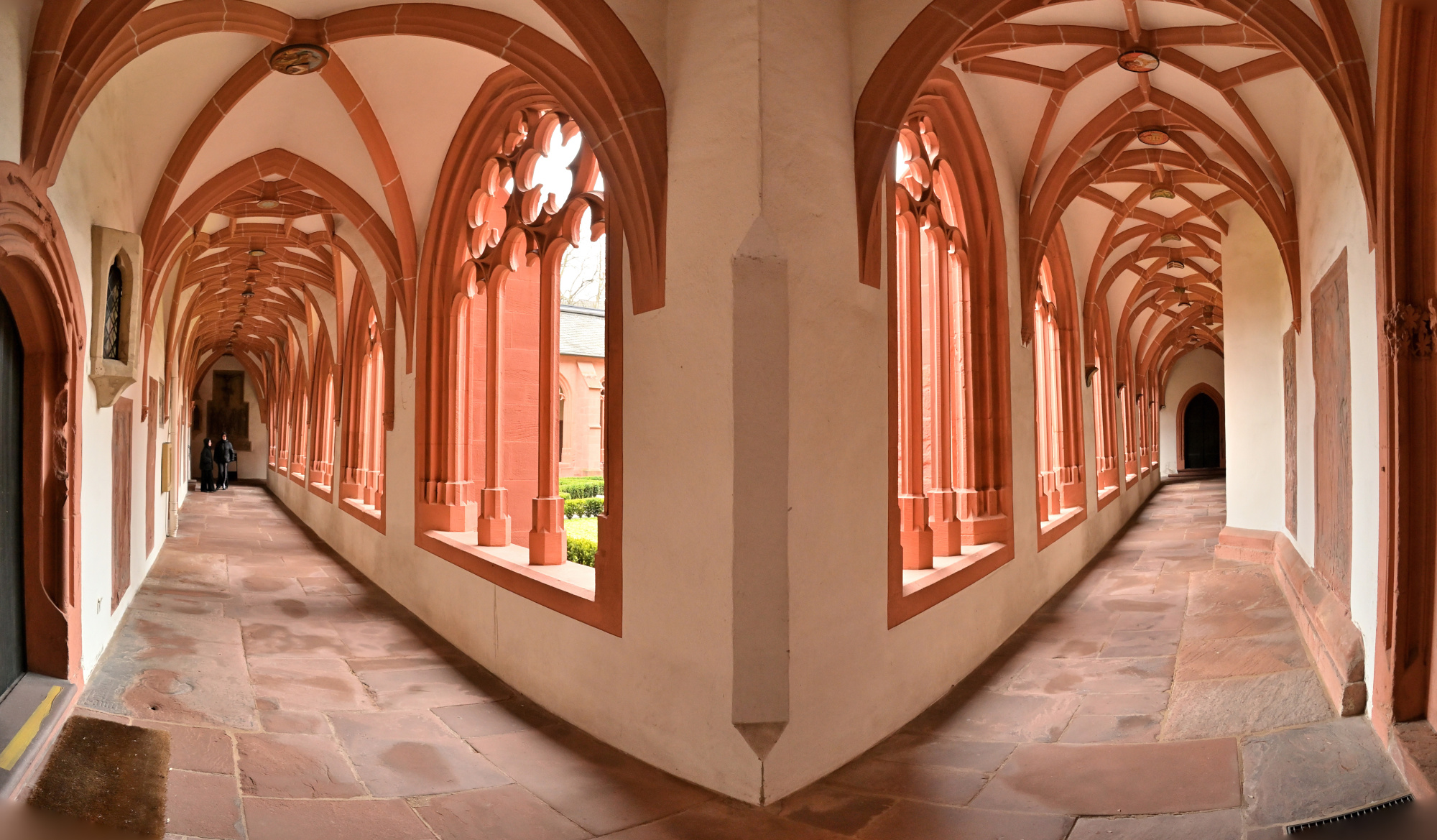
Kreuzgang-Eckpanorama

1/40s f/5,6 ISO 640/29° f=7,5mm
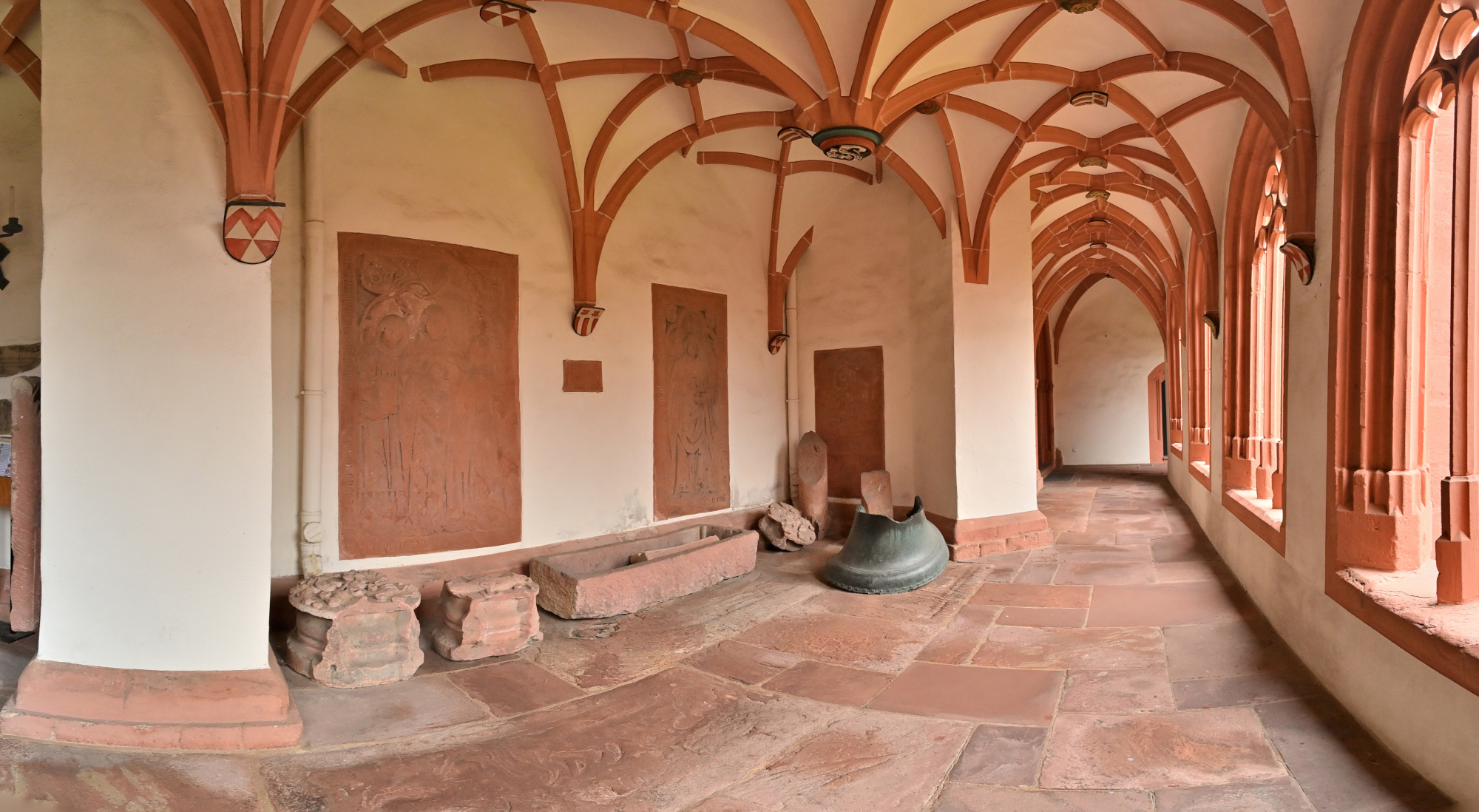
1/40s f/5,6 ISO 100/21° f=7,5mm
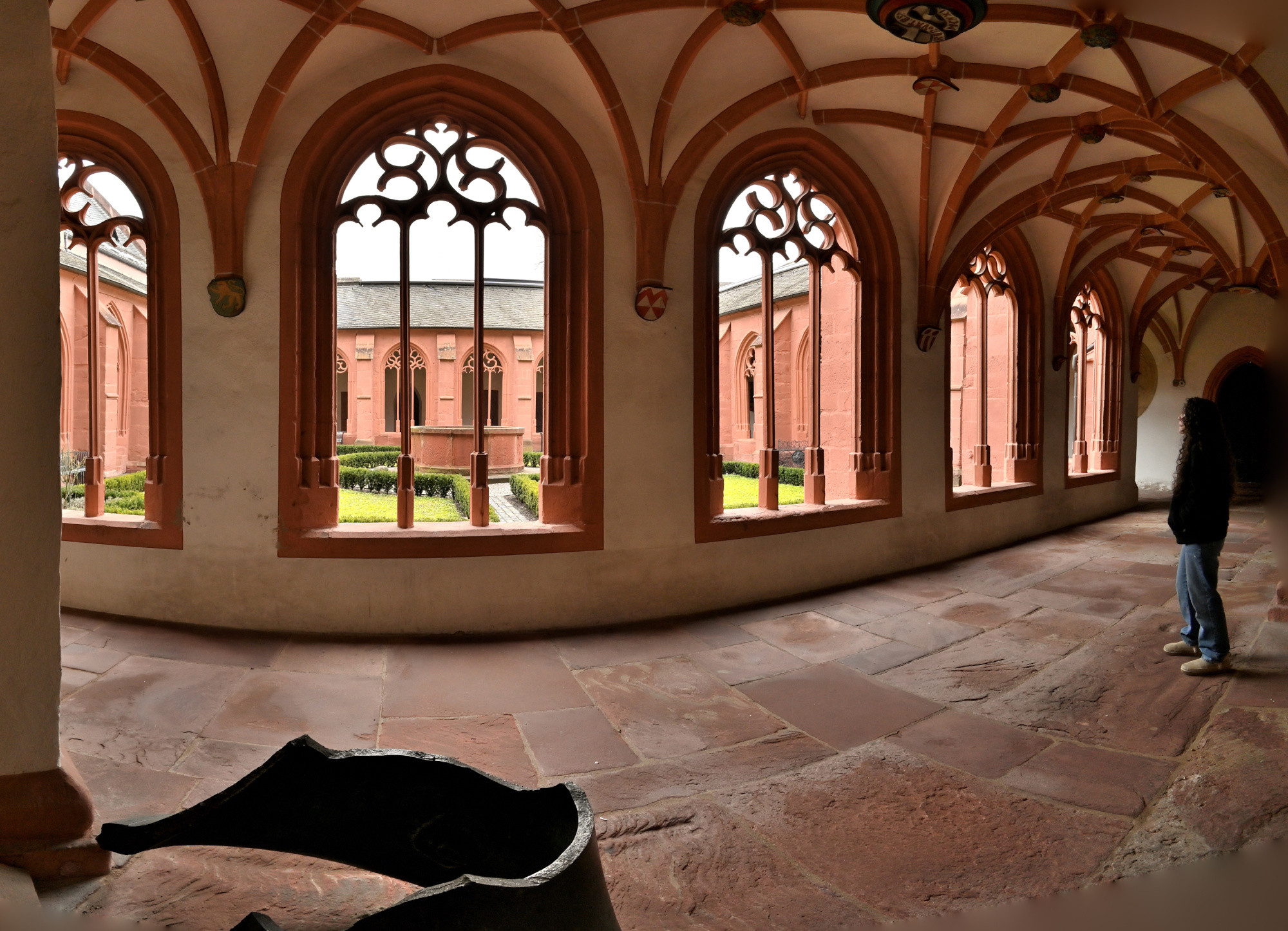
1/40s f/5,6 ISO 2000/34° f=7,5mm
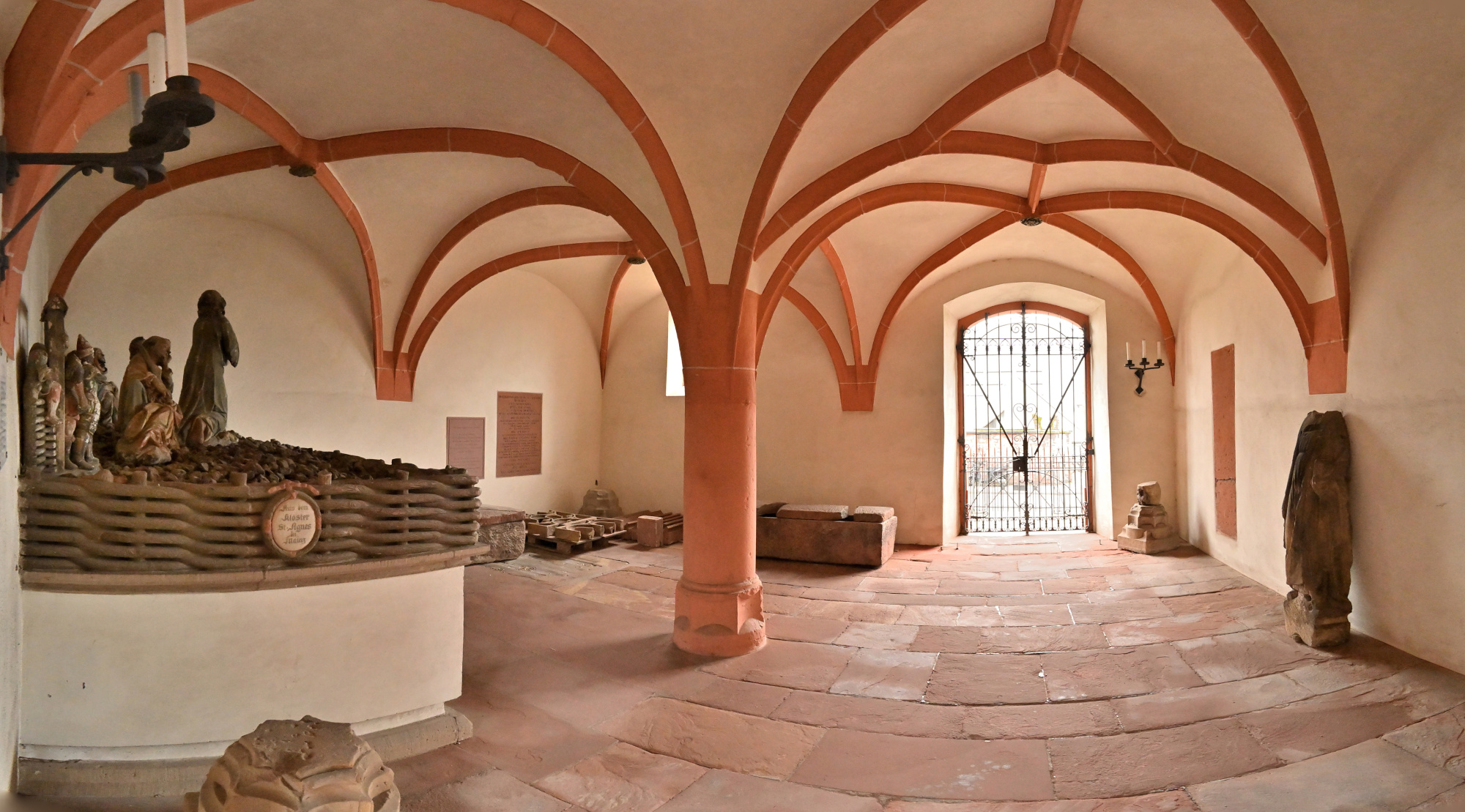
Interaktives Panorama Kreuzgang 1 360x180
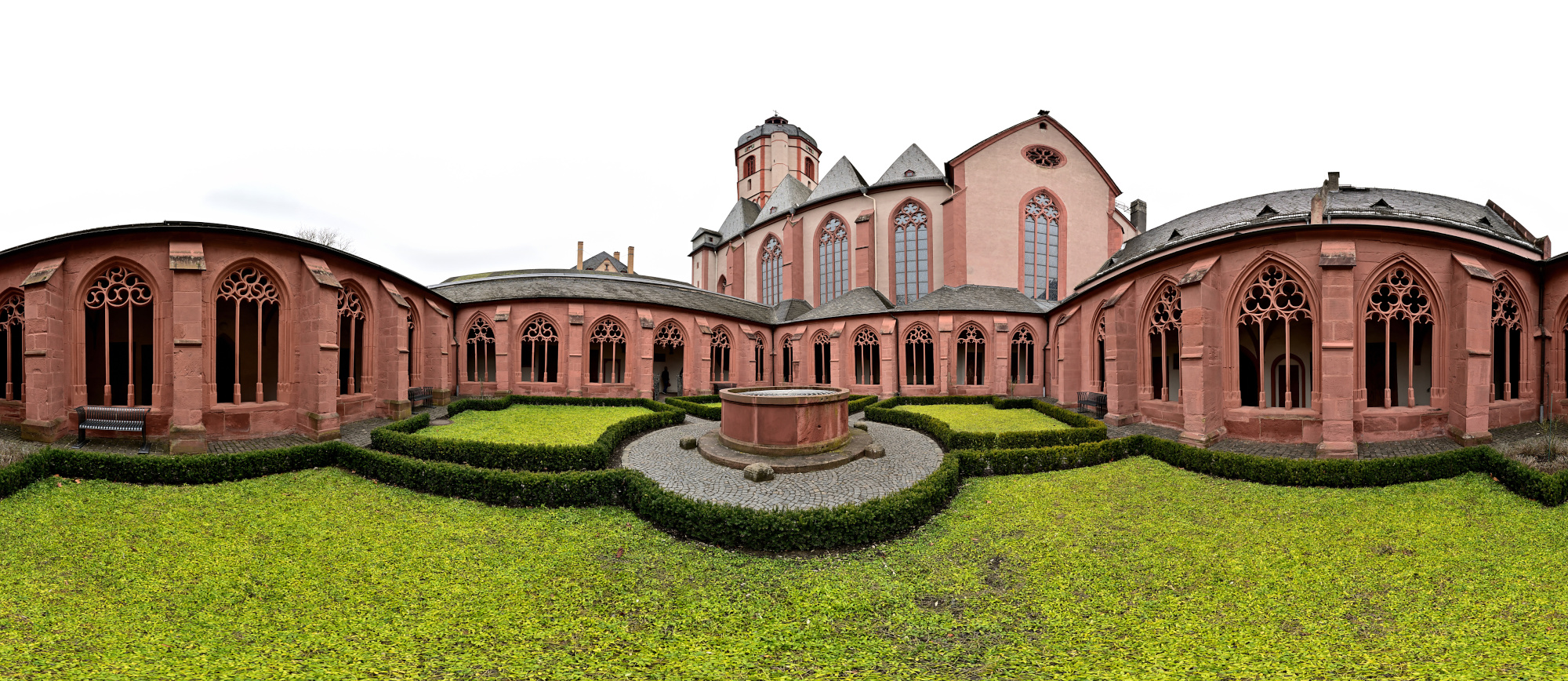
1/50s f/2 ISO 100/21° f=7,5mm

Interaktives Panorama Kreuzgang 2 360x180
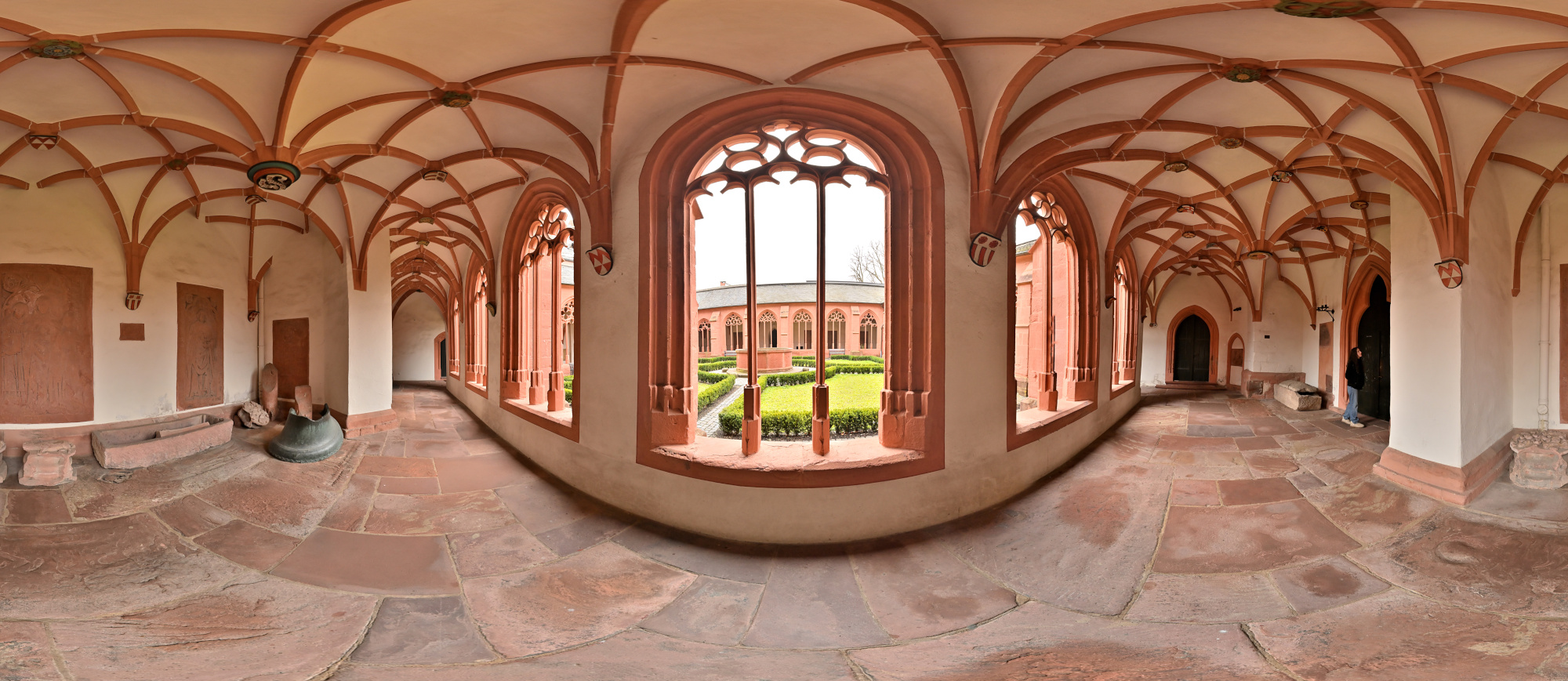
1/50s f/2 ISO 100/21° f=7,5mm

Außenansicht
1/160s f/5,6 ISO 100/21° f=7,5mm
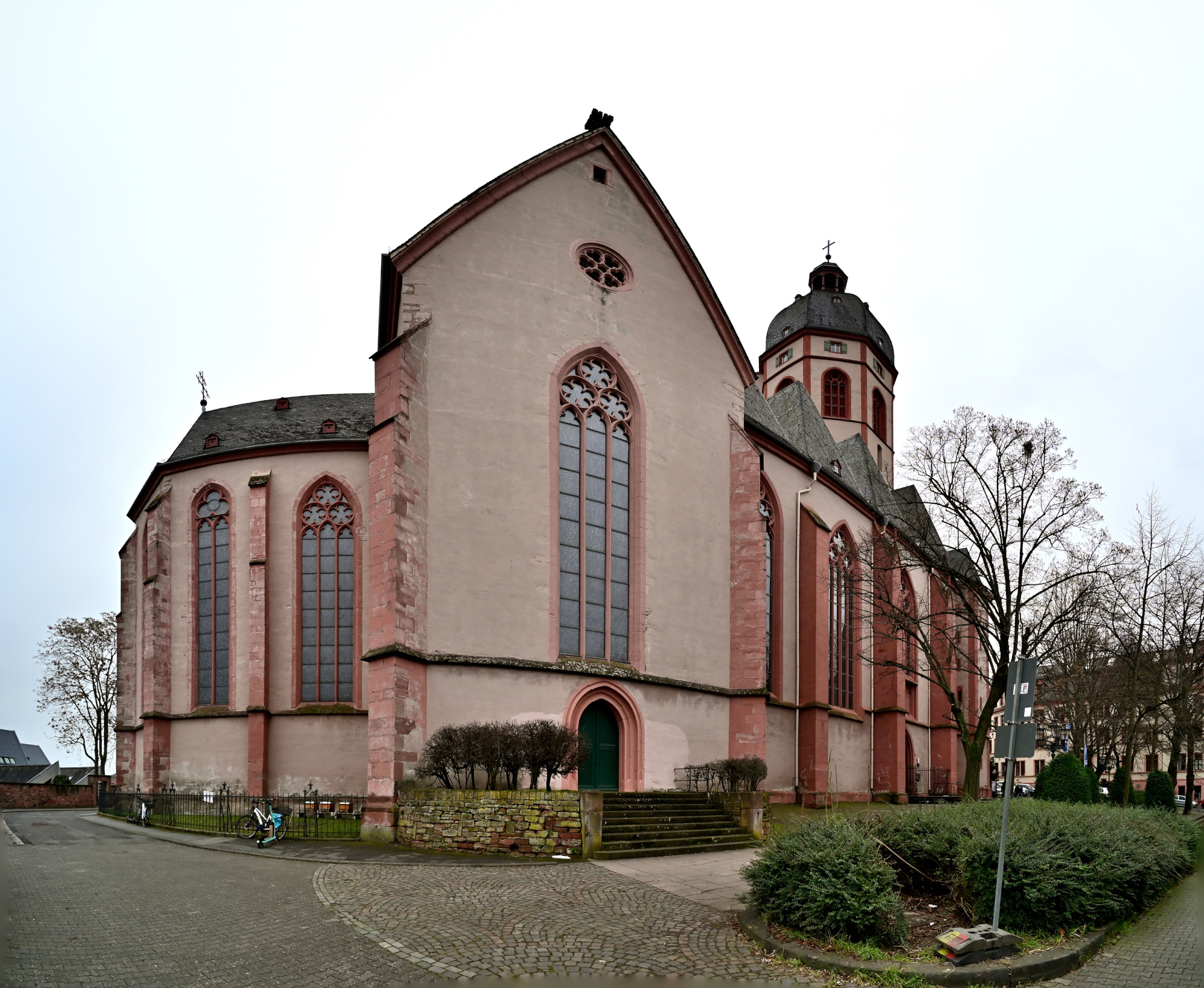
1/100s f/5,6 ISO 100/21° f=7,5mm
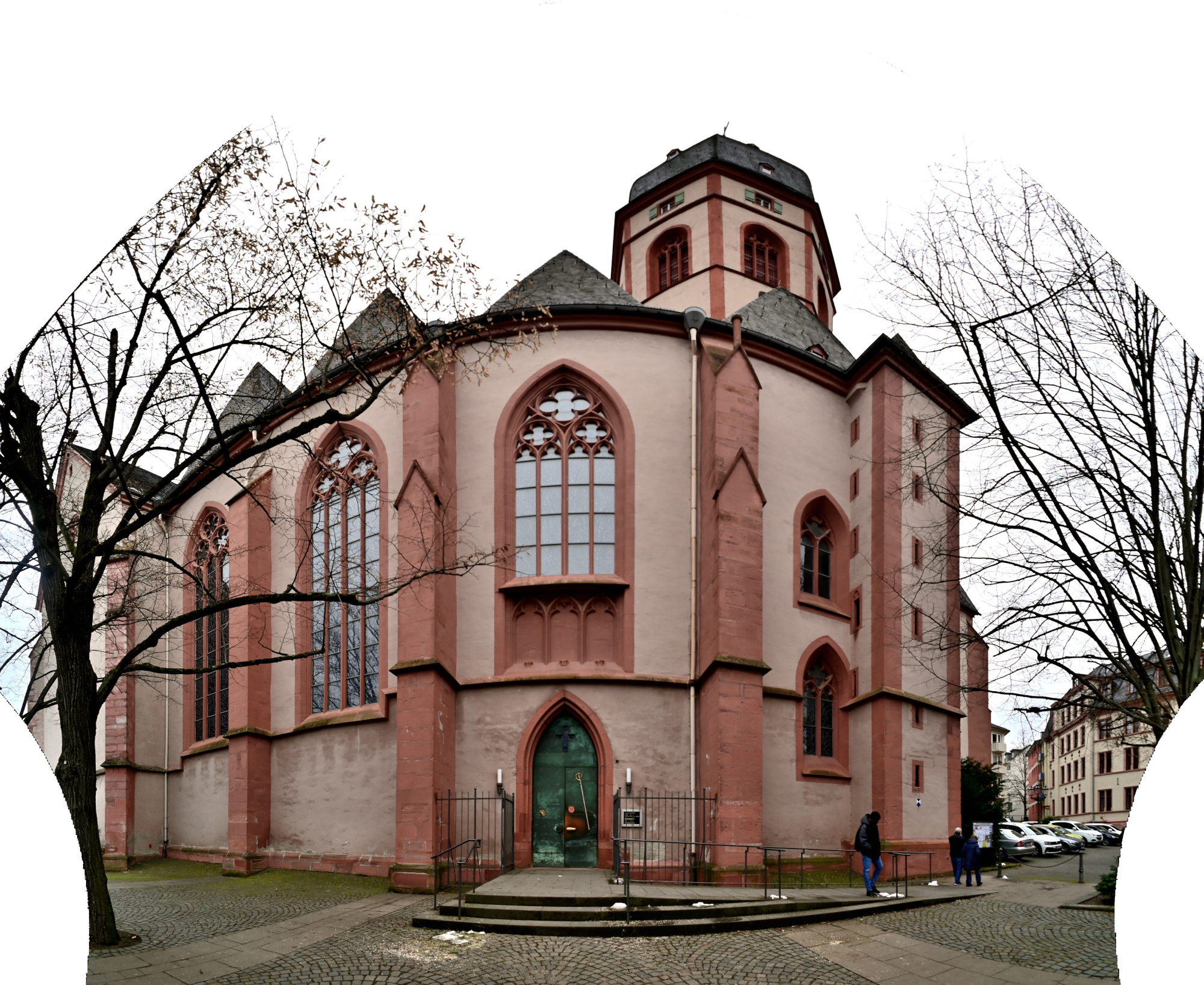
Mercator-Projektionen von:
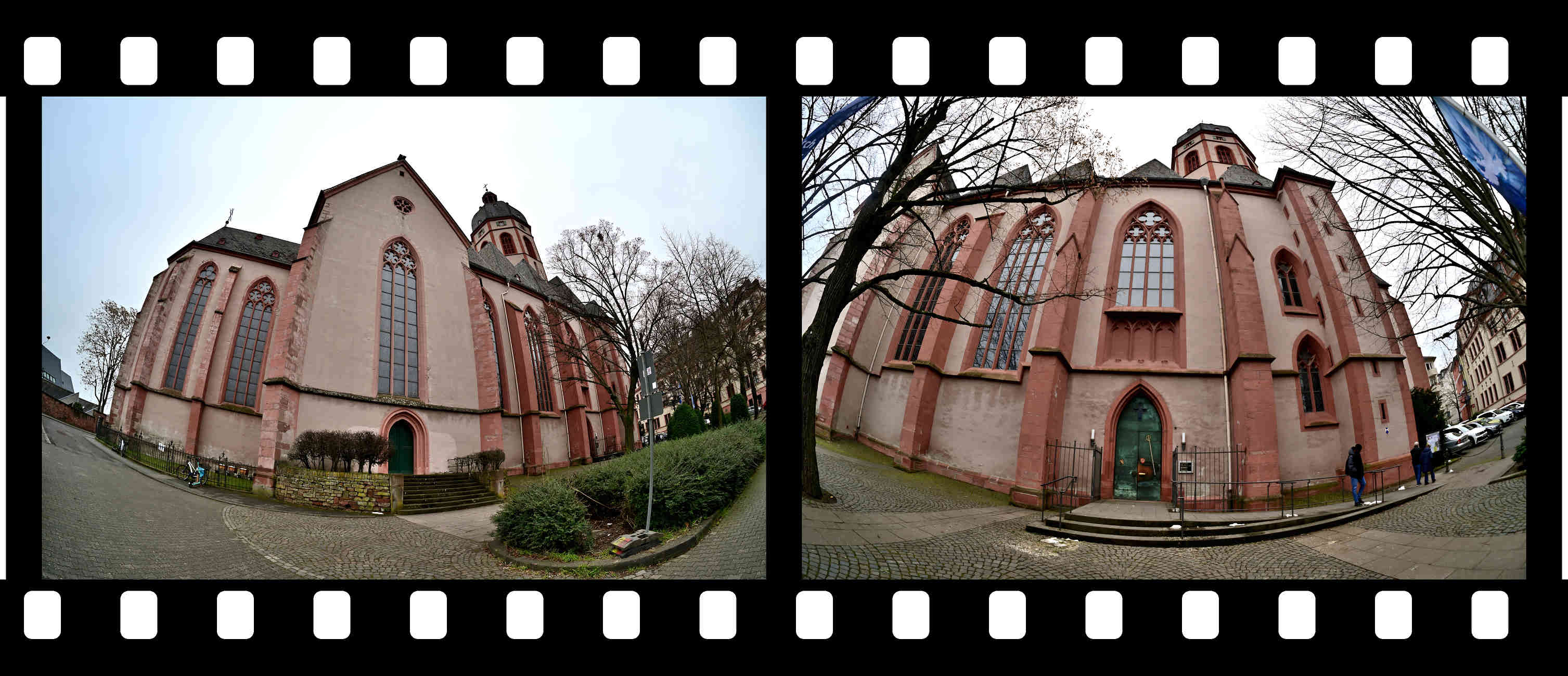
-
Porta Nigra, Trier
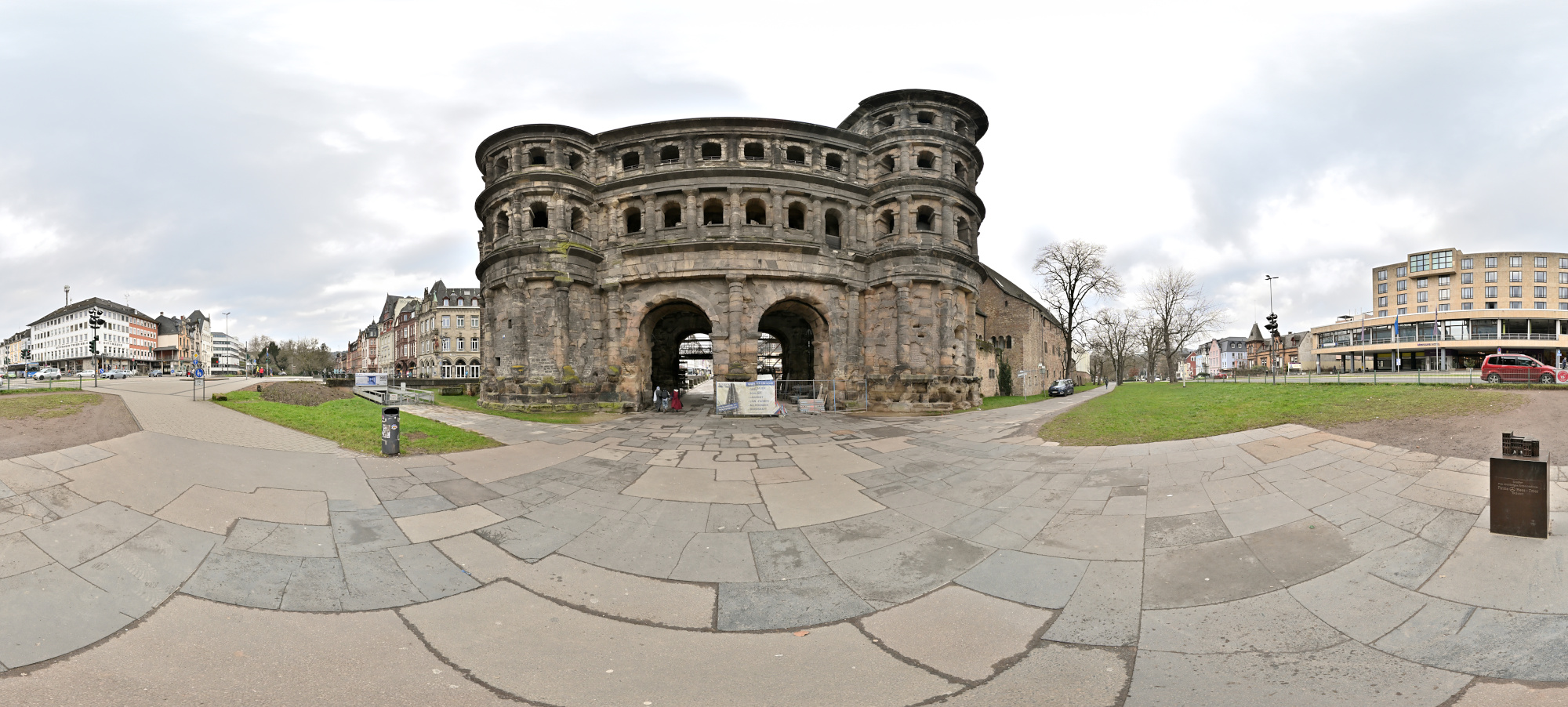
Die Porta Nigra in Trier stammt aus der römischen Zeit und wurde im zweiten Jahrhundert nach Christus als Stadttor der damaligen Stadt Augusta Treverorum errichtet. Sie gilt als das am besten erhaltene römische Stadttor nördlich der Alpen. Der Bau besteht aus großen Sandsteinquadern, die ohne Mörtel gesetzt wurden und bis heute einen geschlossenen, massiven Eindruck vermitteln.
Der Name Porta Nigra, das schwarze Tor, entstand erst im Mittelalter und bezieht sich auf die im Laufe der Zeit nachgedunkelte Oberfläche des Steins. Im elften Jahrhundert wurde das Bauwerk zu einer Kirche umgebaut, was maßgeblich zu seinem Erhalt beigetragen hat. Erst im neunzehnten Jahrhundert ließ Napoleon die späteren Anbauten wieder entfernen und den römischen Zustand weitgehend herstellen.
Das Panorama zeigt die Porta Nigra im Zusammenhang mit der heutigen Stadt Trier, während die beiden Einzelaufnahmen den Blick auf Struktur, Proportionen und Details des Bauwerks lenken. So wird sichtbar, wie selbstverständlich dieses römische Bauwerk noch immer Teil des Stadtbildes ist.
Interactive Panorama Porta Nigra
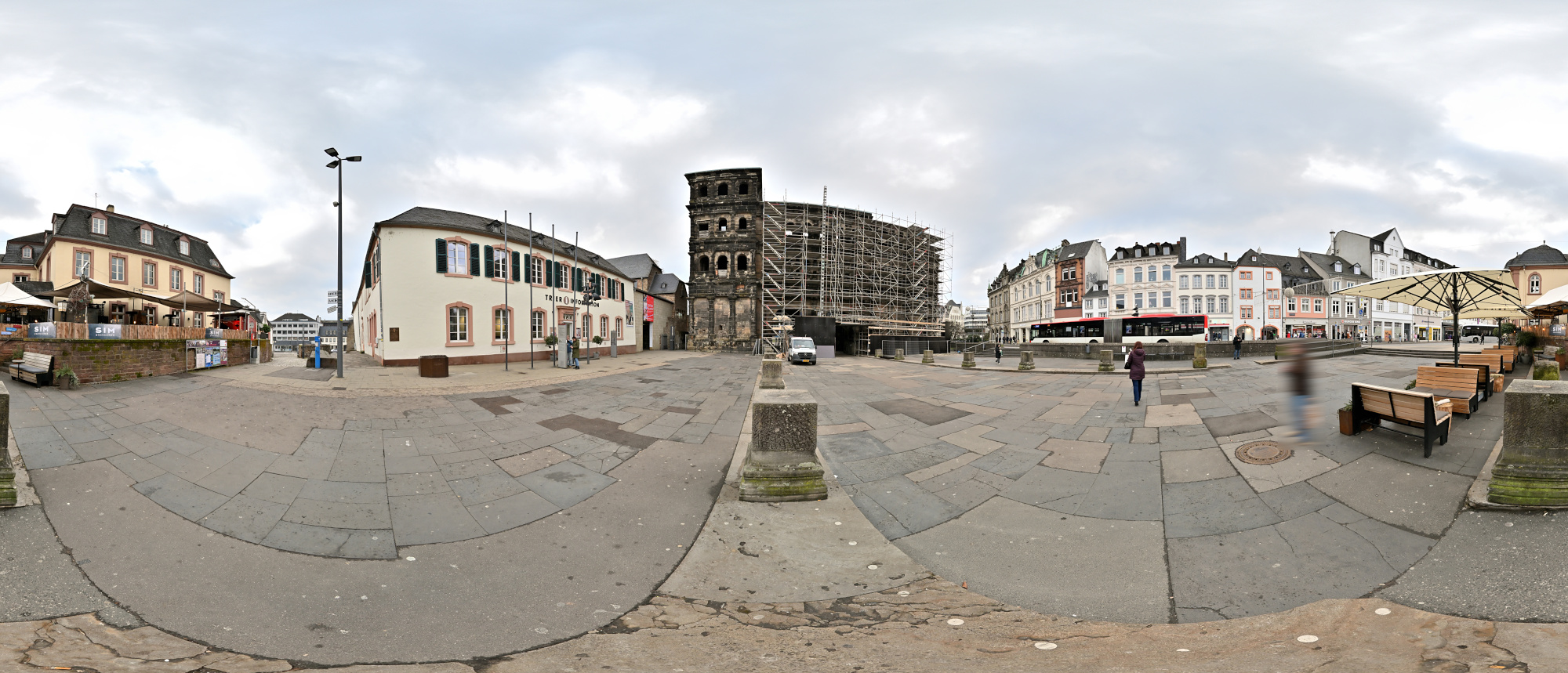
1/200s f/5,6 ISO 100/21° f=7,5mm
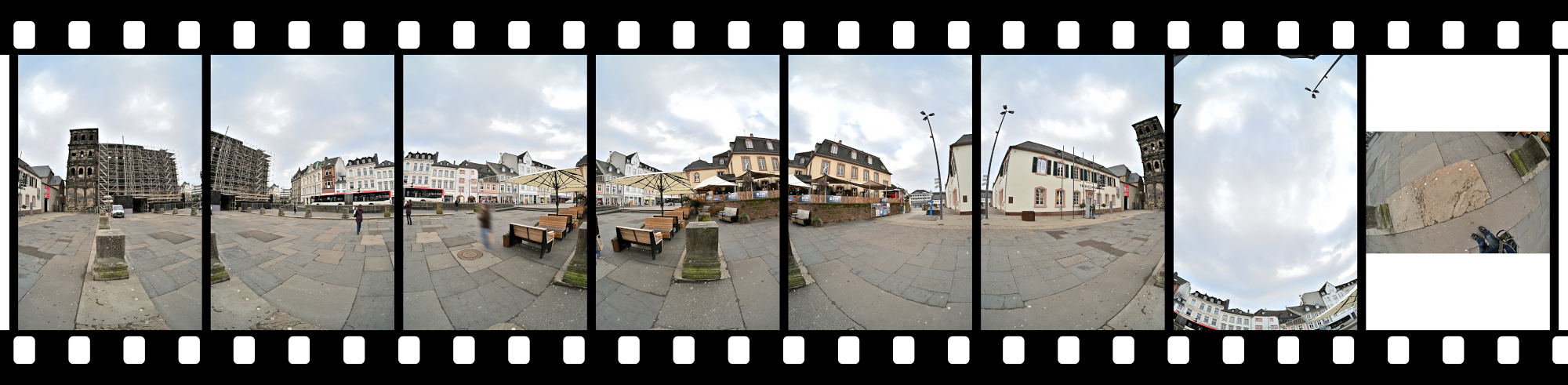
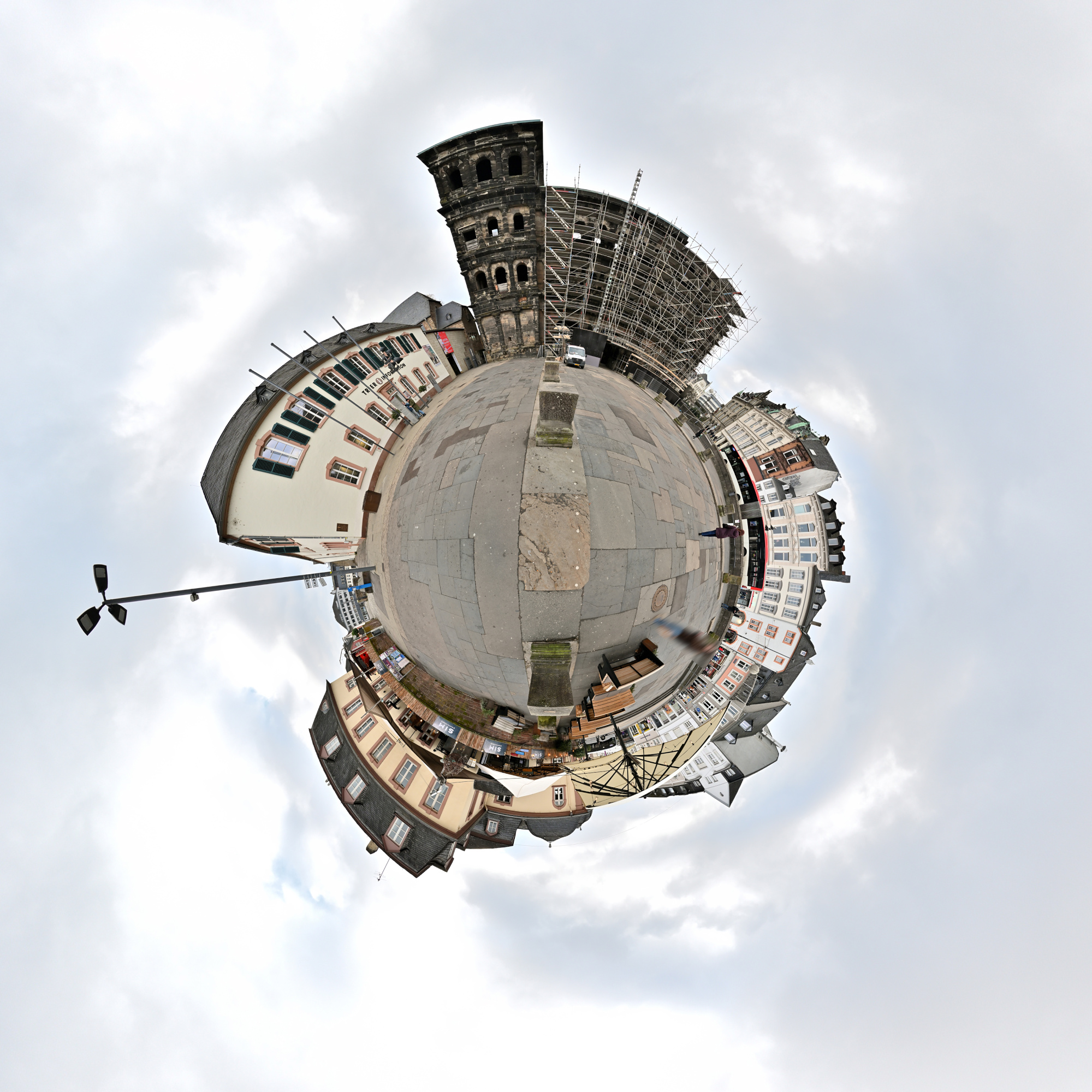
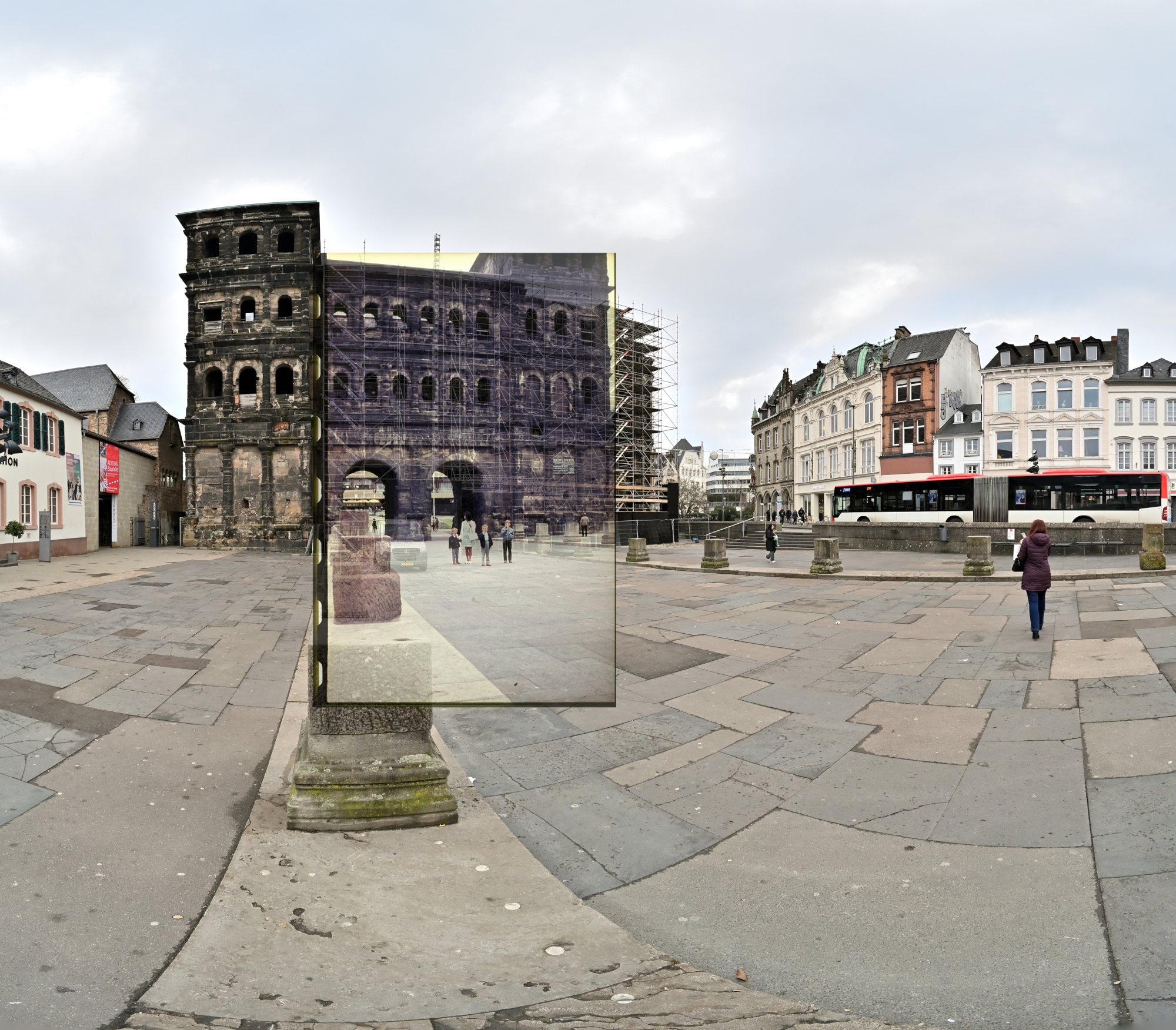
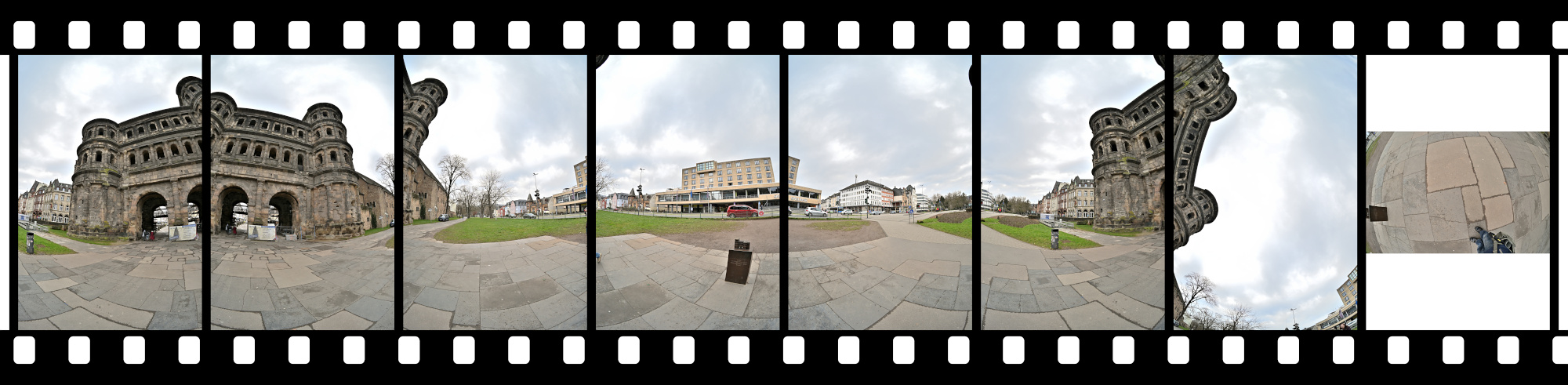
Ein Ausschnitt aus dem heutigen Panorama der Porta Nigra ist mit einer älteren Aufnahme aus dem Familienalbum kombiniert. Der Blick von früher liegt im aktuellen Bild und markiert dieselbe Stelle zu einer anderen Zeit.
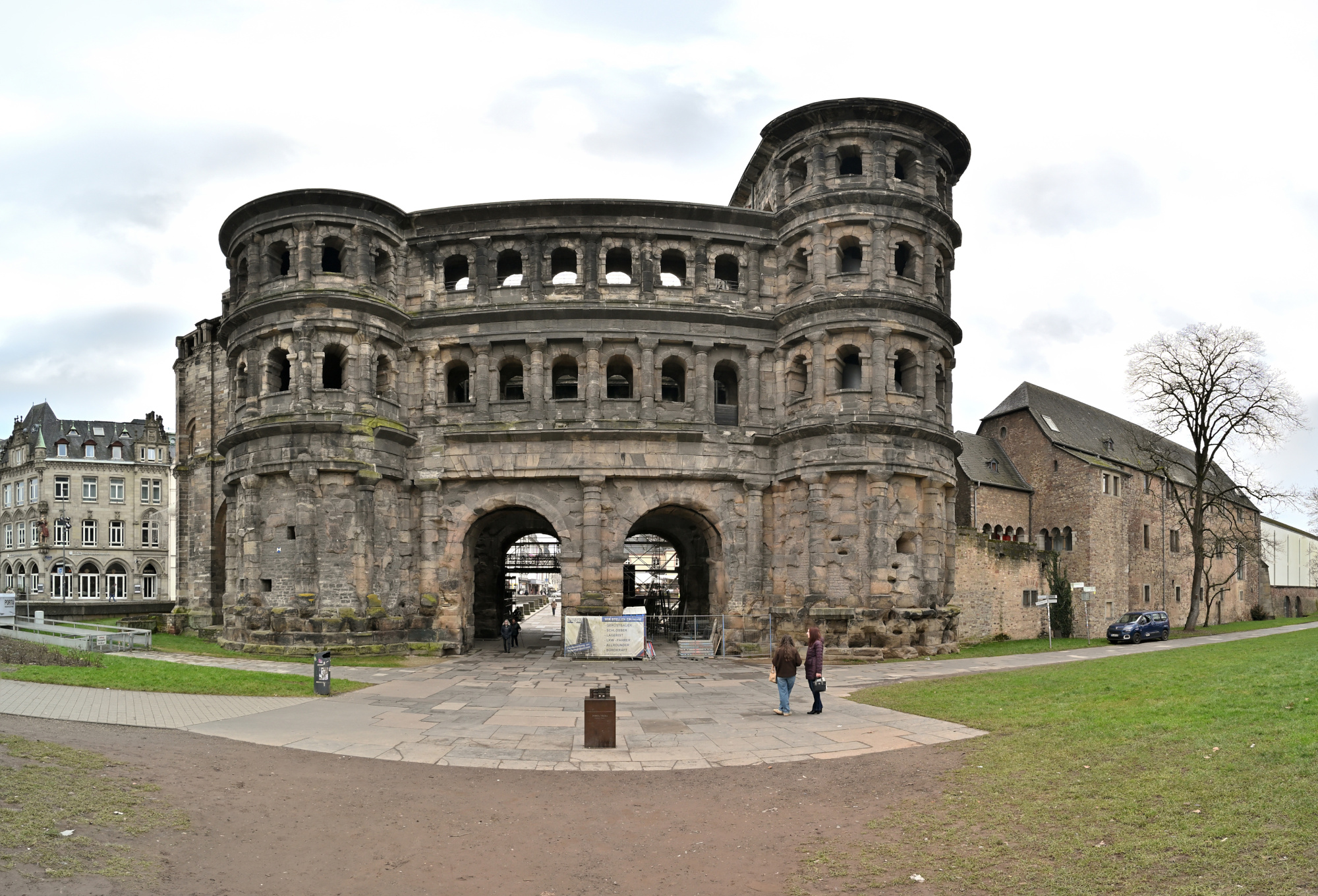
Die Feldseite der Porta Nigra ist hier als Breitbild zu sehen. Geplant war ein vollständiges 360×180-Panorama, geblieben ist dieser Blick auf die Rückseite. Nicht jedes Panorama wird eines, der Ort bleibt aber derselbe.
Außerdem war das Wetter nicht ideal. Die Belichtung lässt sich ändern, das Wetter nicht.
1/160s f/5,6 ISO 100/21° f=7,5mm
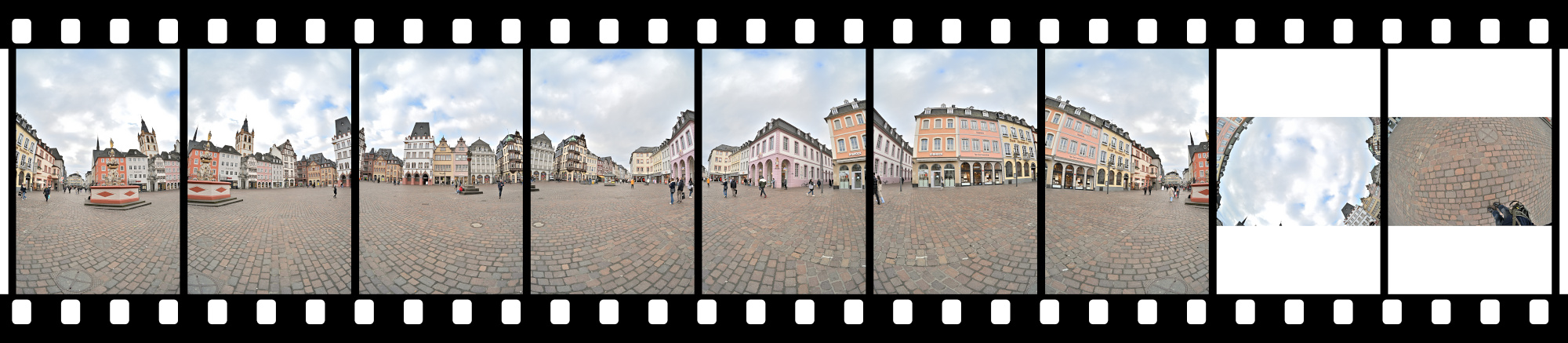
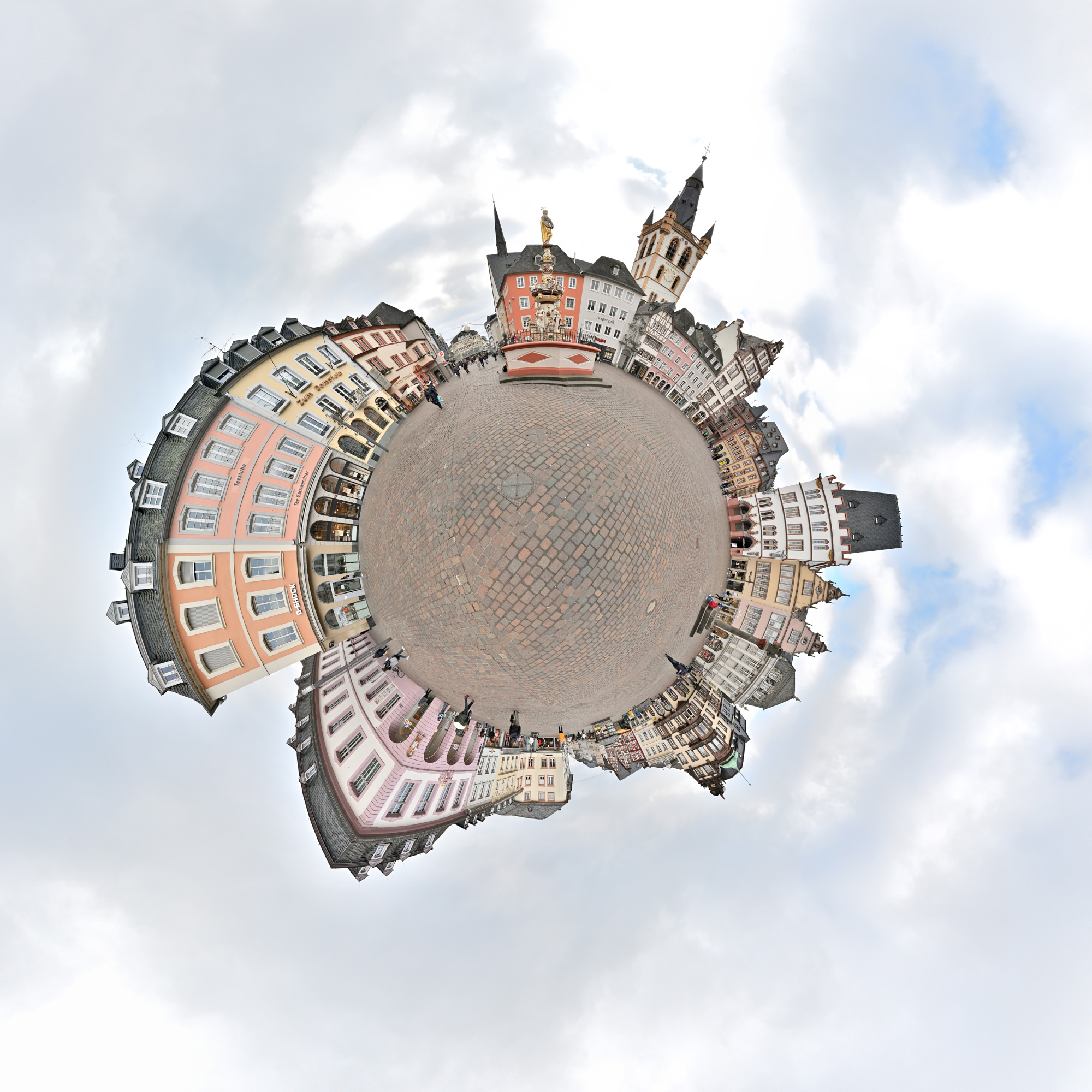
Und direkt in Fußnähe steht der Petrusbrunnen auf dem Hauptmarkt. Er wurde 1595 vom Bildhauer Hans Ruprecht Hoffmann errichtet und zählt zu den bedeutenden Renaissancebrunnen der Stadt. Bekrönt wird er von der Figur des heiligen Petrus, dem Schutzpatron Triers, ergänzt durch Darstellungen der vier Kardinaltugenden.
Interactive Panorama Petrusbrunnen 360x180
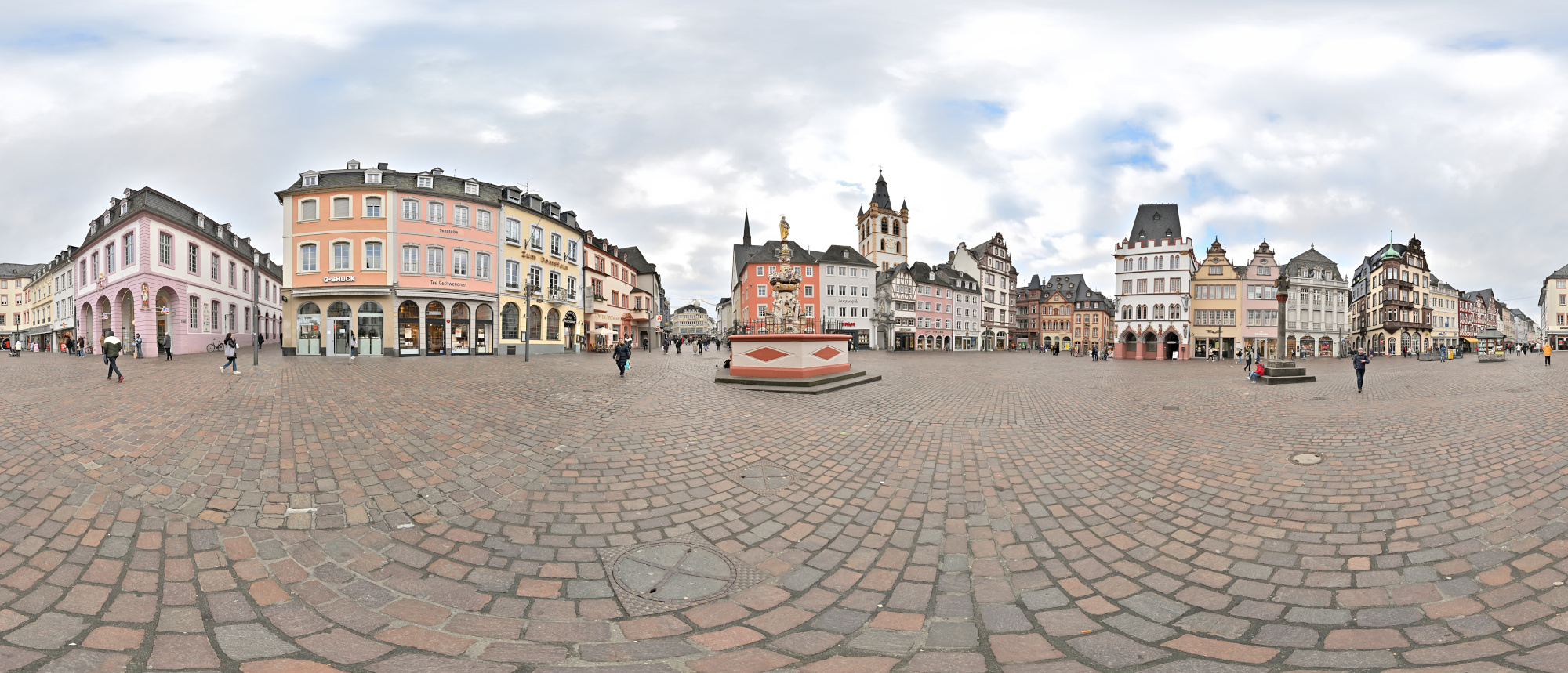
1/250s f/5,6 ISO 100/21° f=7,5mm
-
Kloster Sankt Josef, Trier
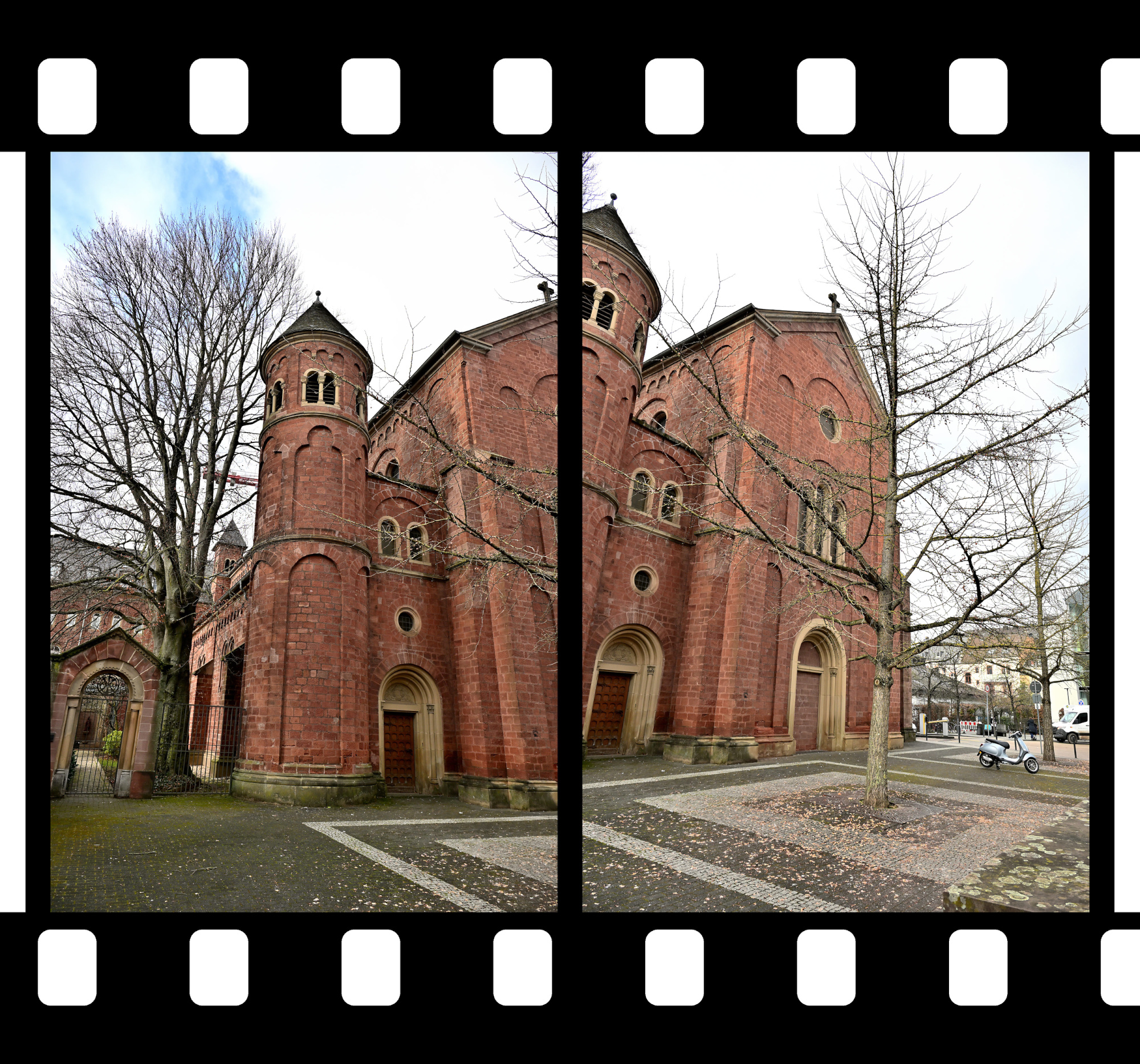
Eine Fahrt über die Hunsrückhöhenstraße führt uns zum Kloster Sankt Josef.
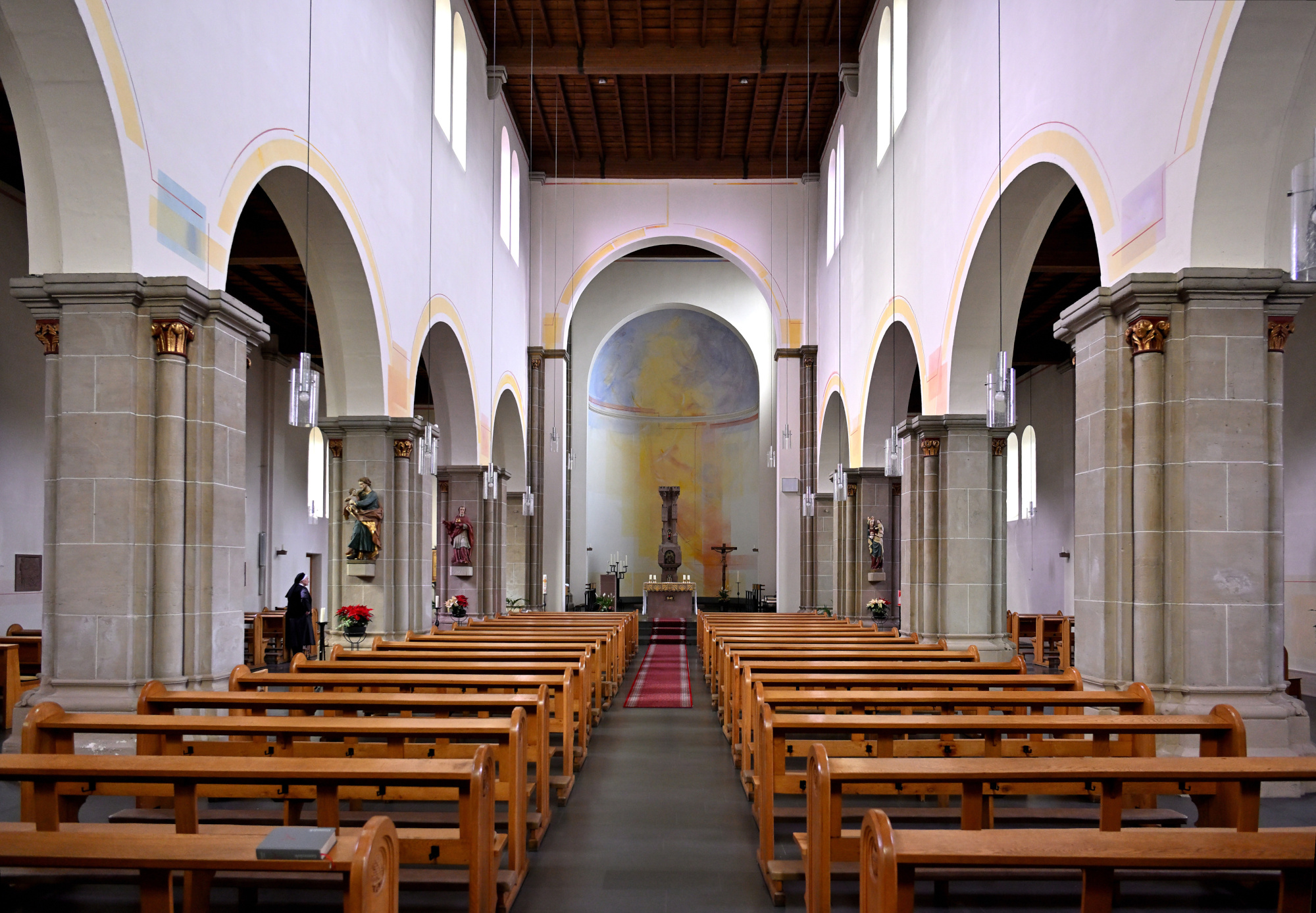
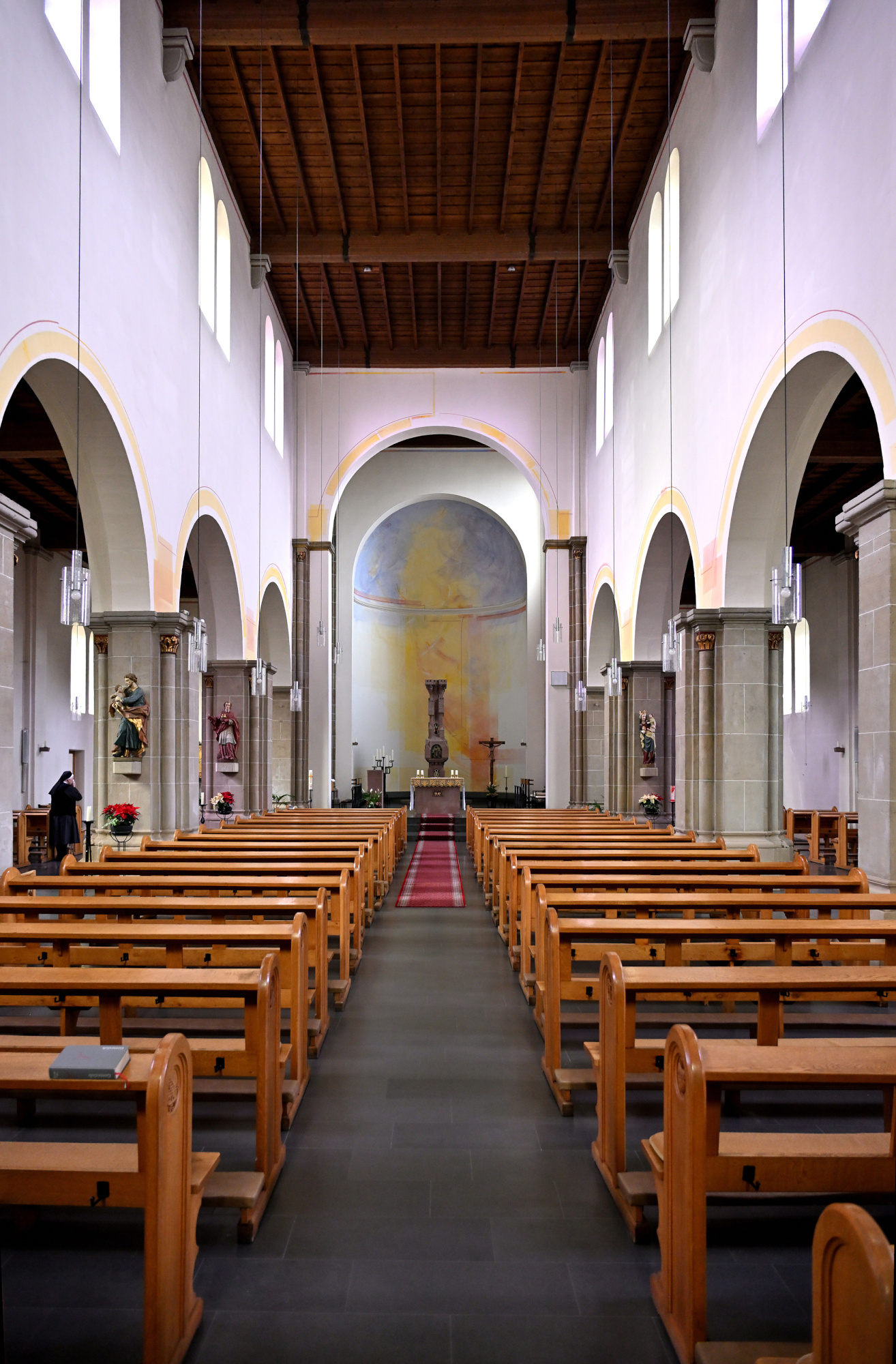
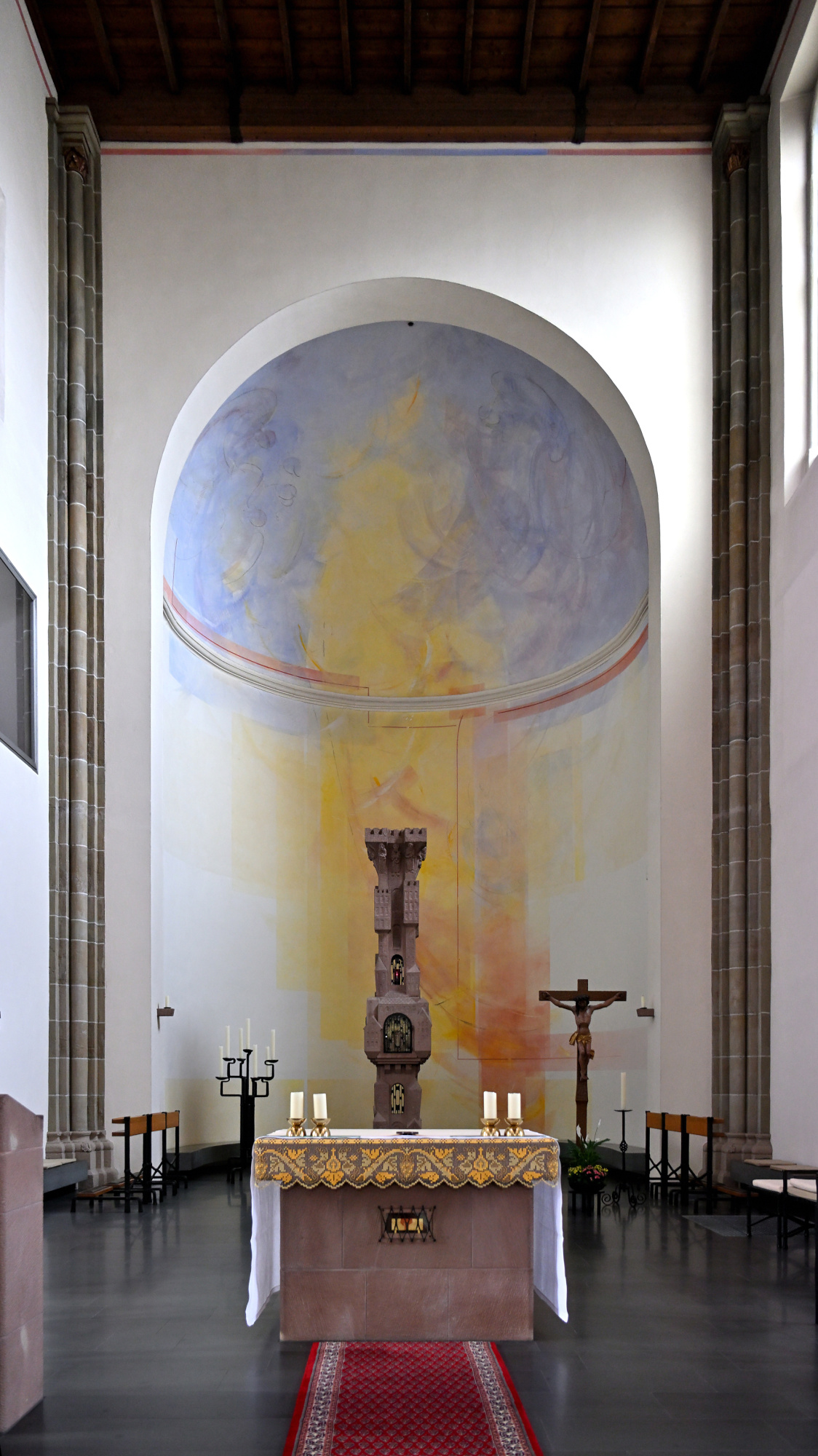
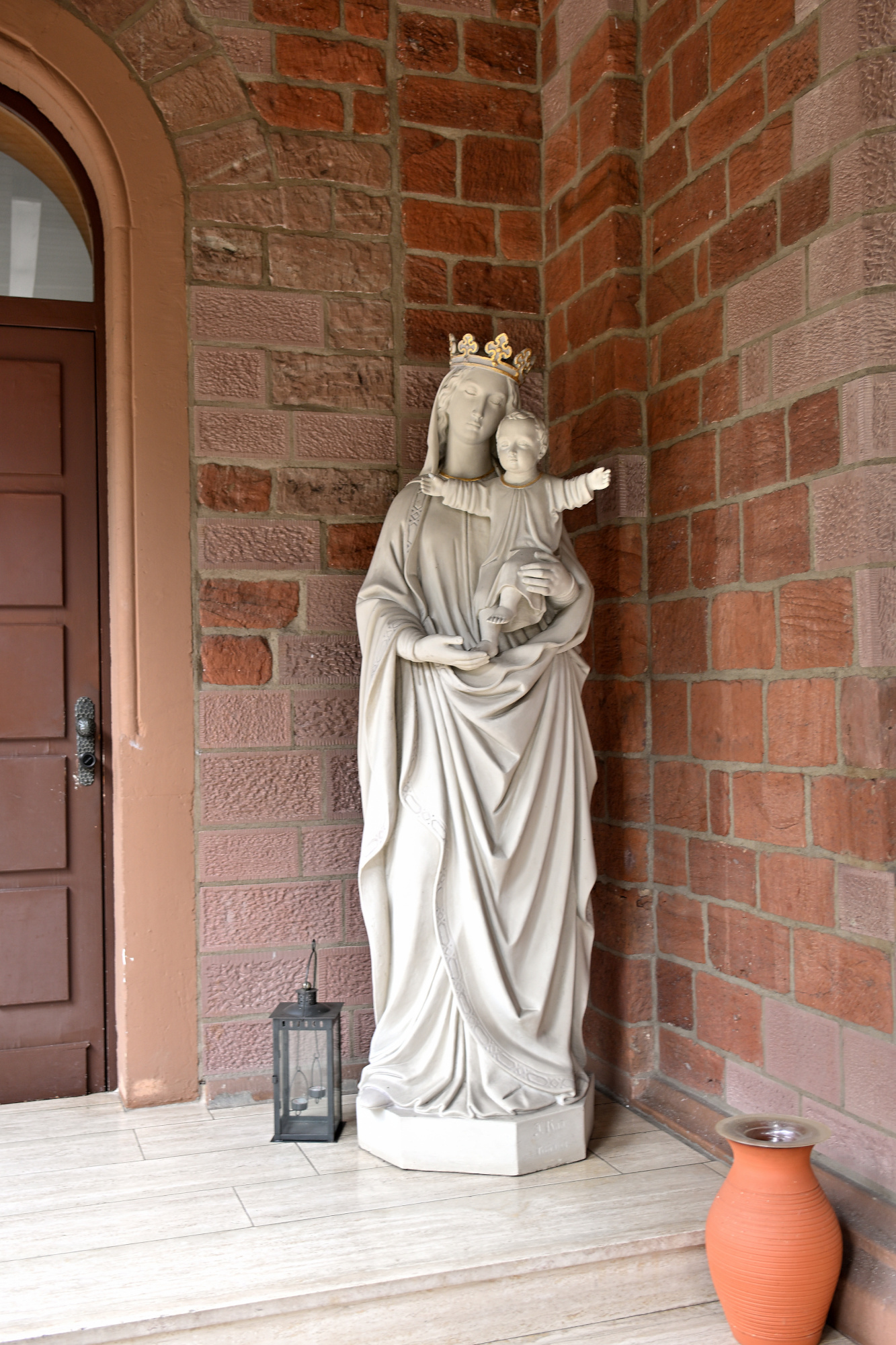
Das ehemalige Redemptoristenkloster Sankt Josef in Trier zeigt eine klare neuromanische Formensprache aus rotem Sandstein. Charakteristisch sind die rundbogigen Fensterreihen und die ausgewogene Gliederung der Fassaden, die dem Bau eine ruhige und konzentrierte Wirkung geben. Die Kirche war ursprünglich als dreischiffige Pfeilerbasilika mit Kreuzgewölben konzipiert und erhielt nach Kriegszerstörungen schlichte Flachdecken, wodurch der Innenraum heute heller und zurückhaltender wirkt. Markante Elemente wie die Chorflankentürme und die runden Ecktreppentürme an der Ostseite prägen bis heute das Erscheinungsbild.
Seit den siebziger Jahren wird der Klosterkomplex vom Orden der Borromäerinnen als geistliches und gemeinschaftliches Zentrum geführt.
1/100s f/4 ISO 100/21° f=7,5mm
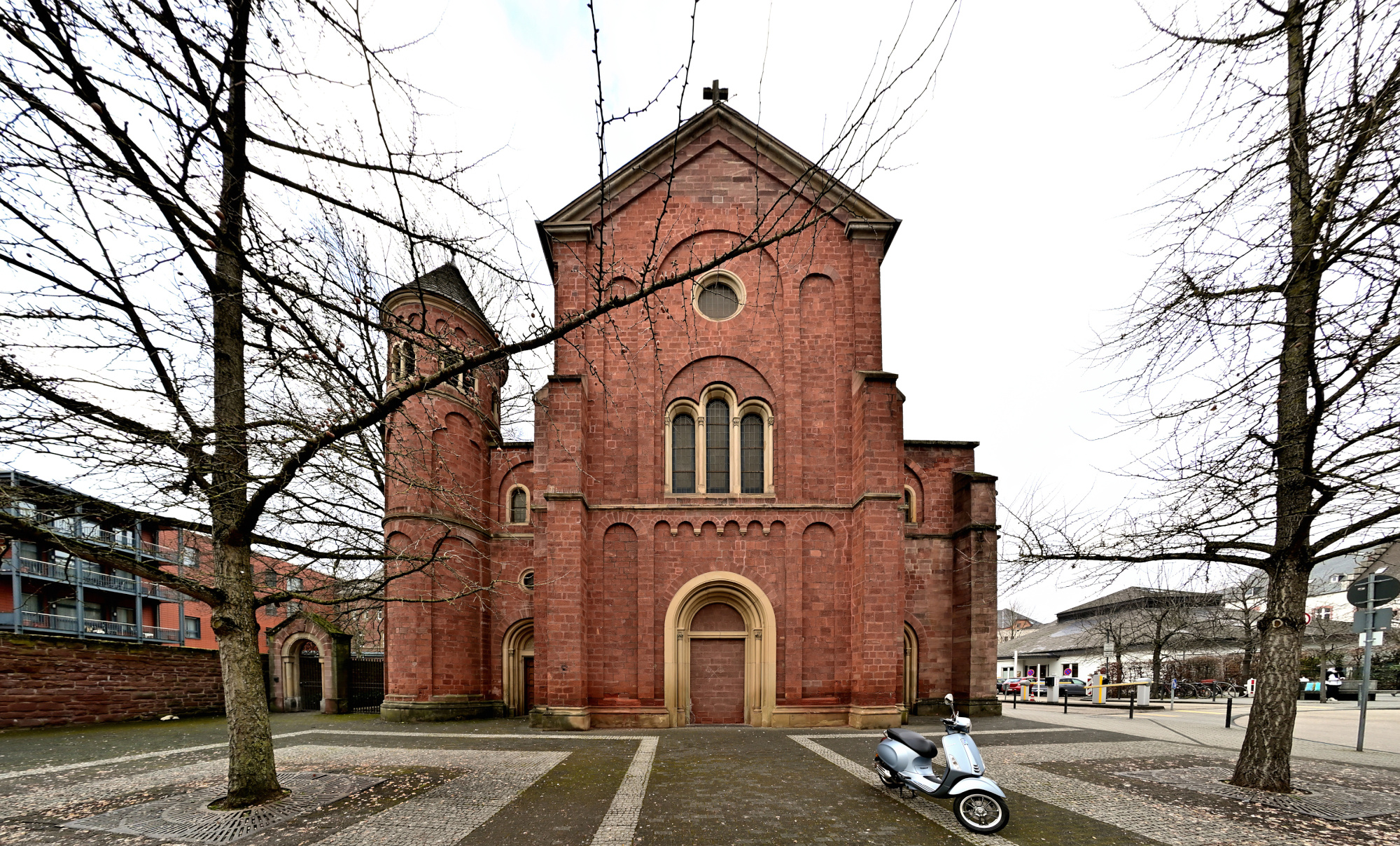
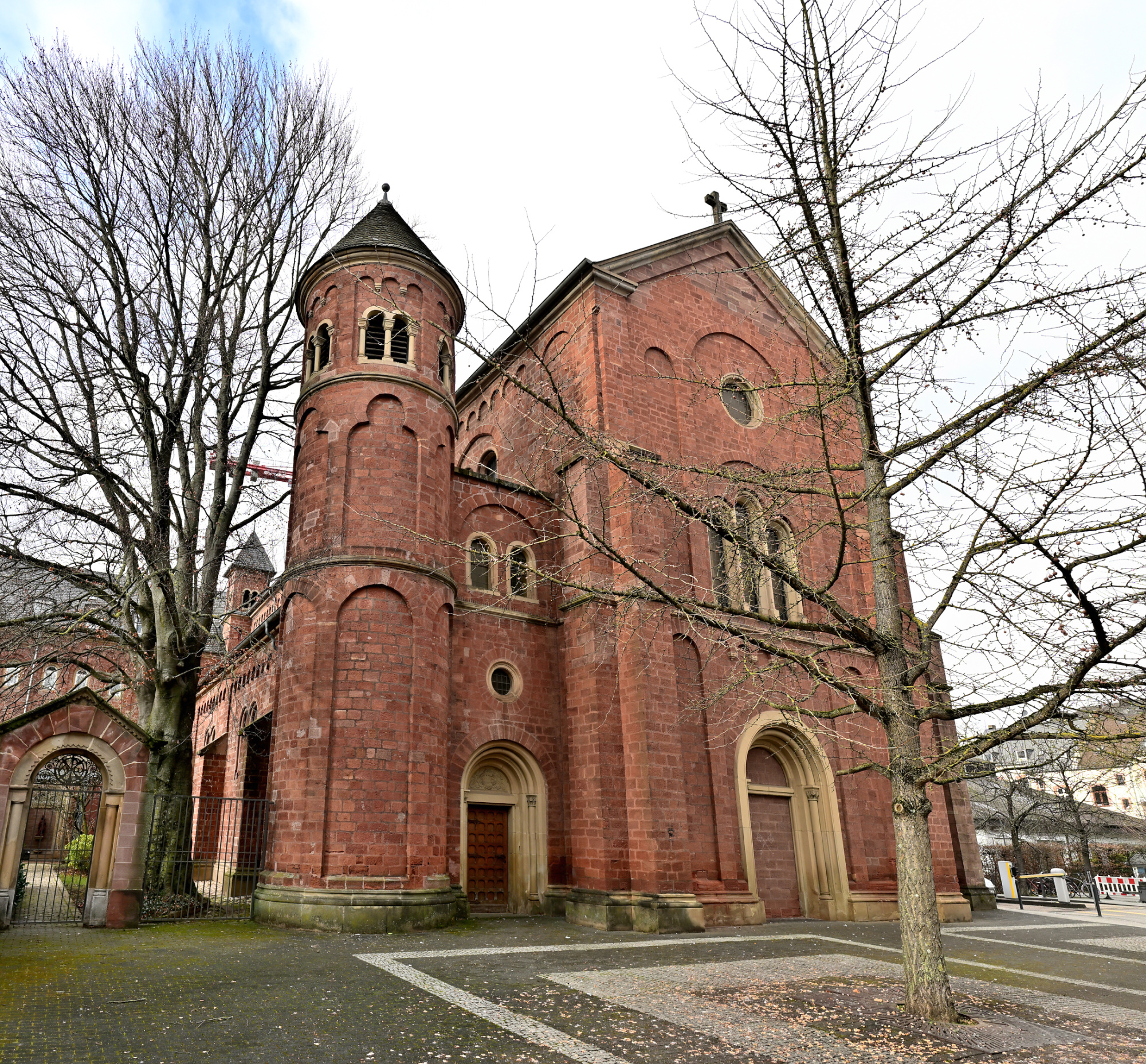
1/125s f/6,3 ISO 100/21° 16-50mm f/2,8 VR f=16mm/24mm
1/30s f/2,8 ISO 800/30° 16-50mm f/2,8 VR f=16mm/24mm
1/30s f/2,8 ISO 800/30° 16-50mm f/2,8 VR f=16mm/24mm
1/30s f/2,8 ISO 800/30° 16-50mm f/2,8 VR f=17mm/26mm
1/20s f/2,8 ISO 800/30° 16-50mm f/2,8 VR f=17mm/26mm
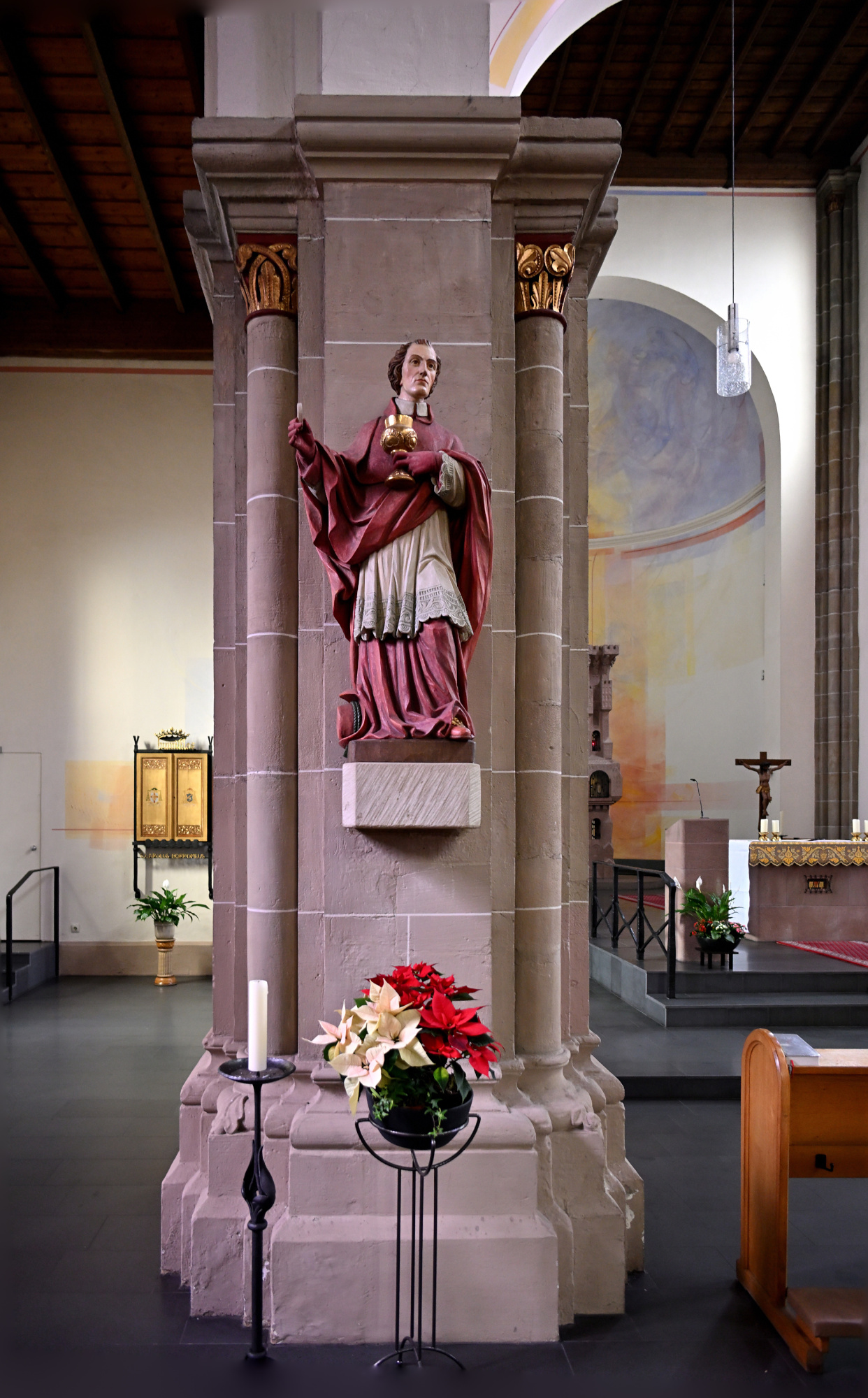
1/25s f/2,8 ISO 800/30° 16-50mm f/2,8 VR f=17mm/26mm
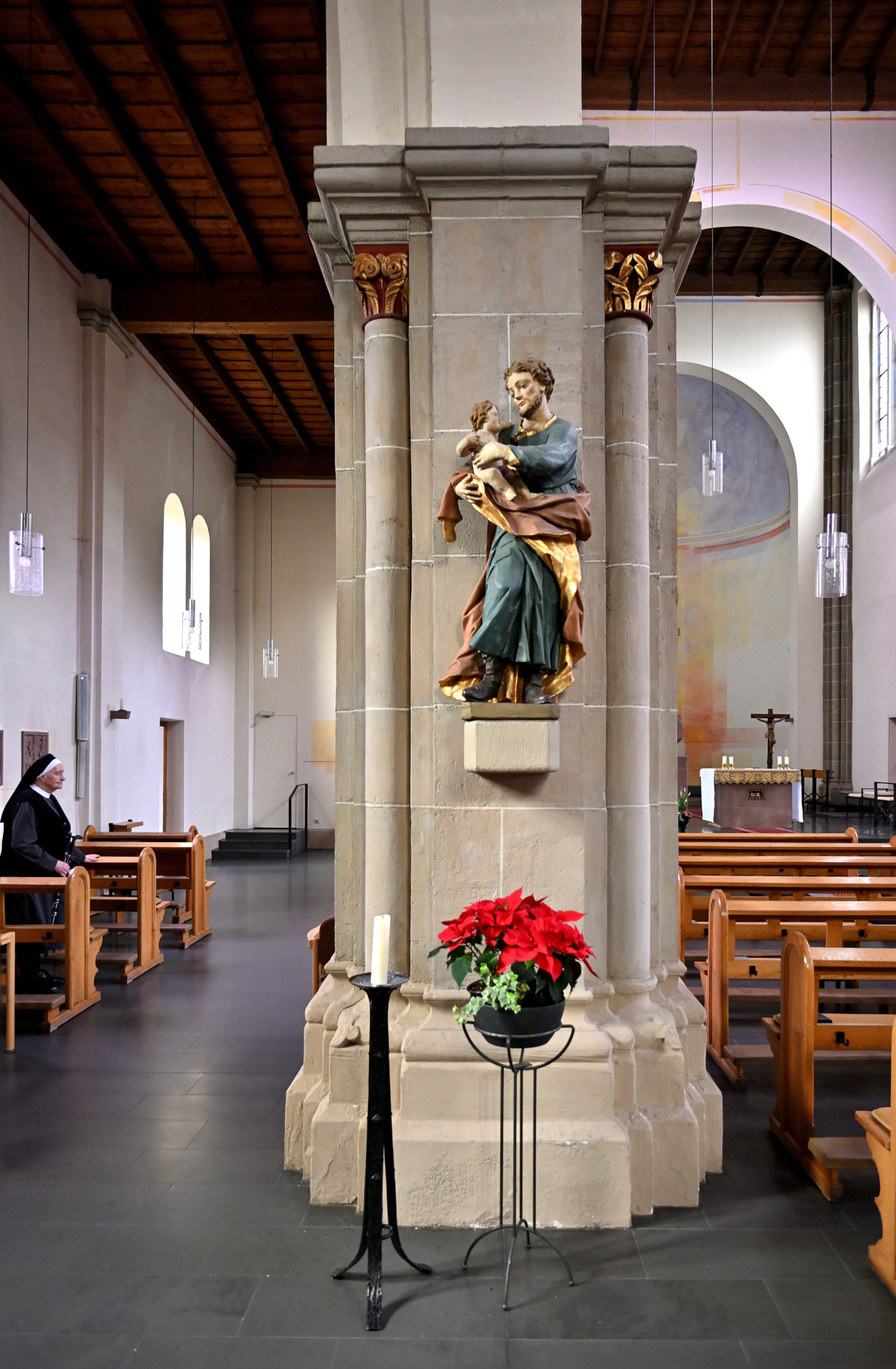
1/20s f/2,8 ISO 800/30° 16-50mm f/2,8 VR f=17mm/26mm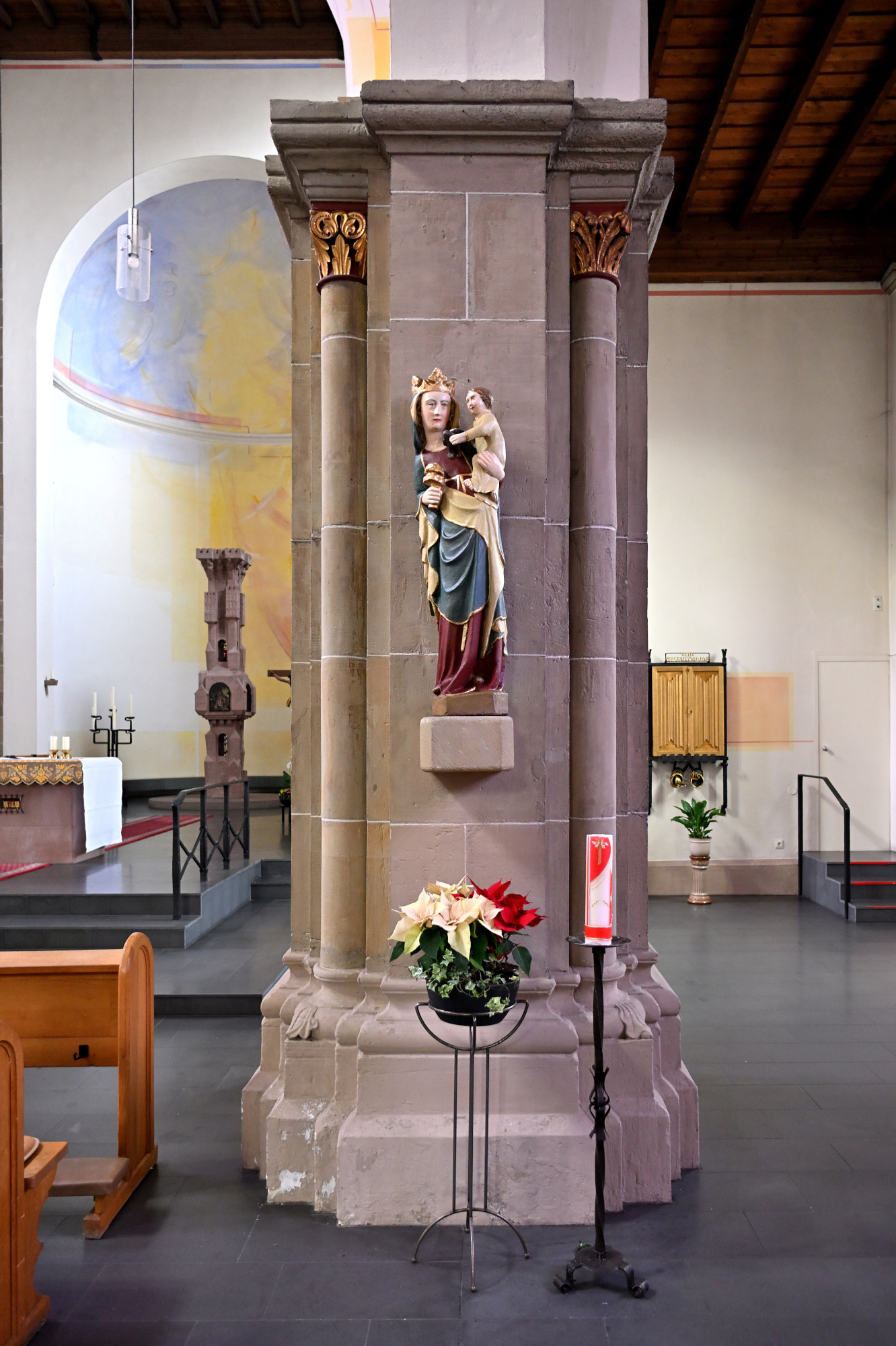
1/40s f/3,2 ISO 800/30° 16-50mm f/2,8 VR f=17mm/26mm
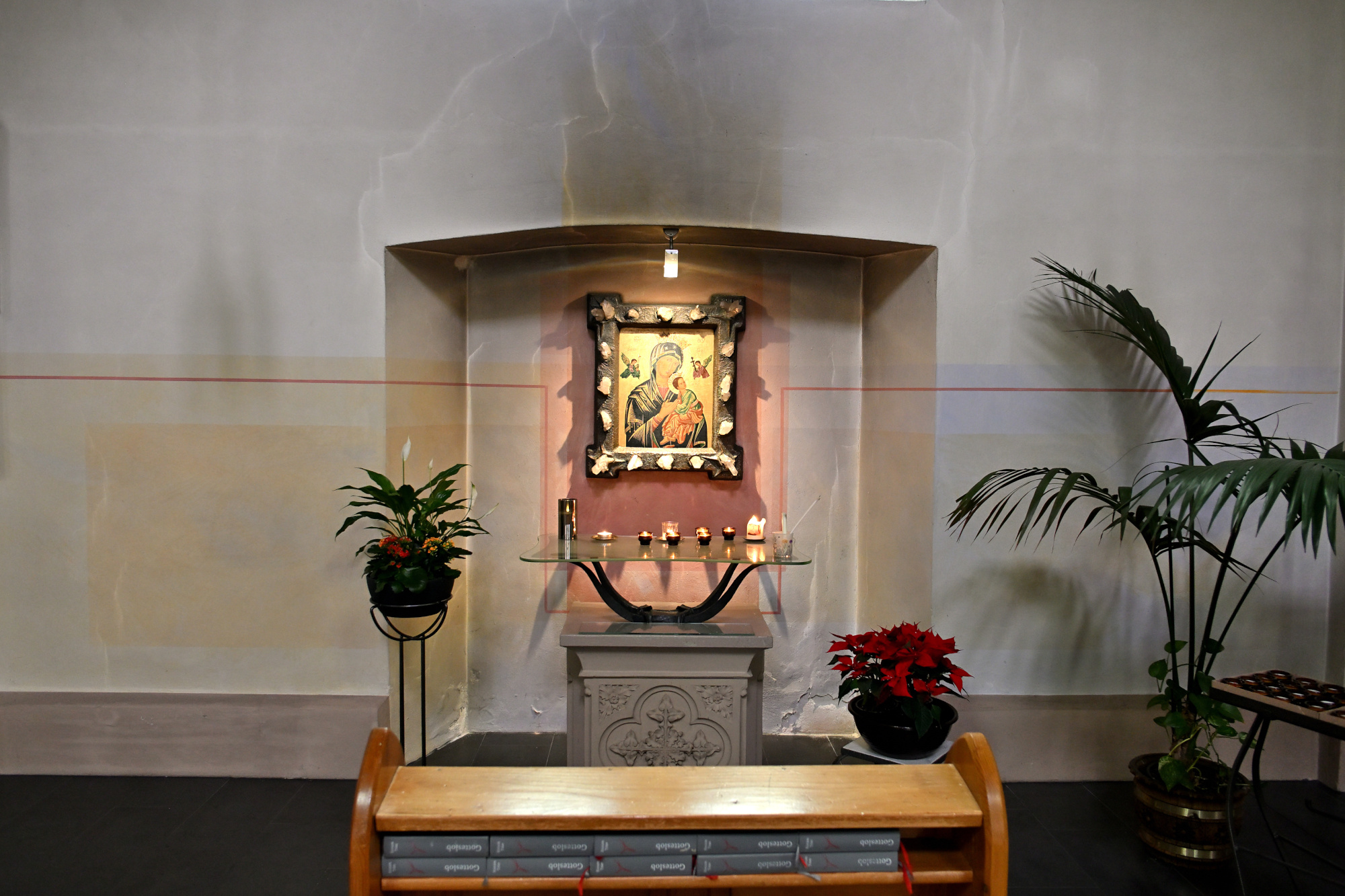
1/15s f/2,8 ISO 100/21° 16-50mm f/2,8 VR f=24mm/36mm
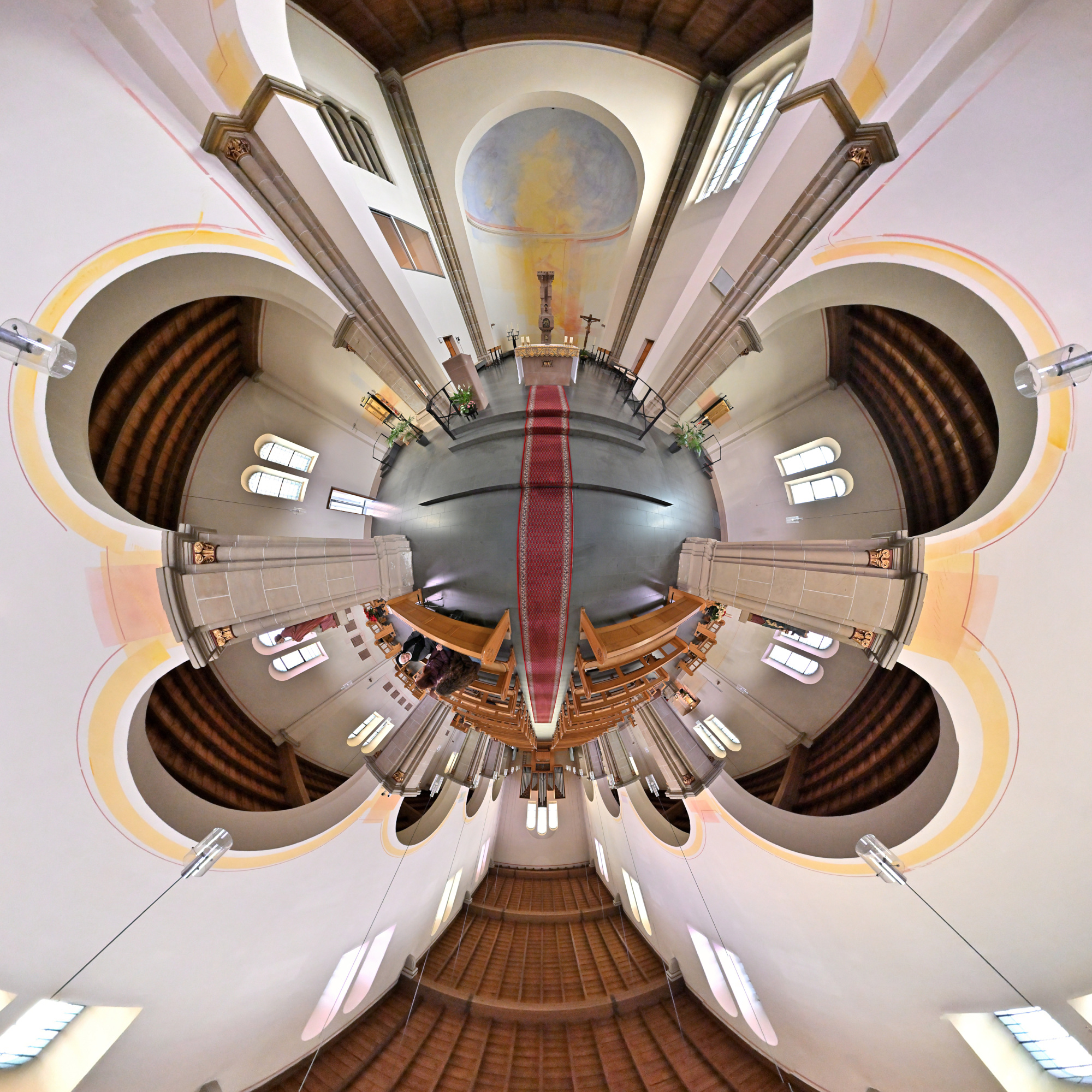
Interaktives Panorama Sankt Josef 1
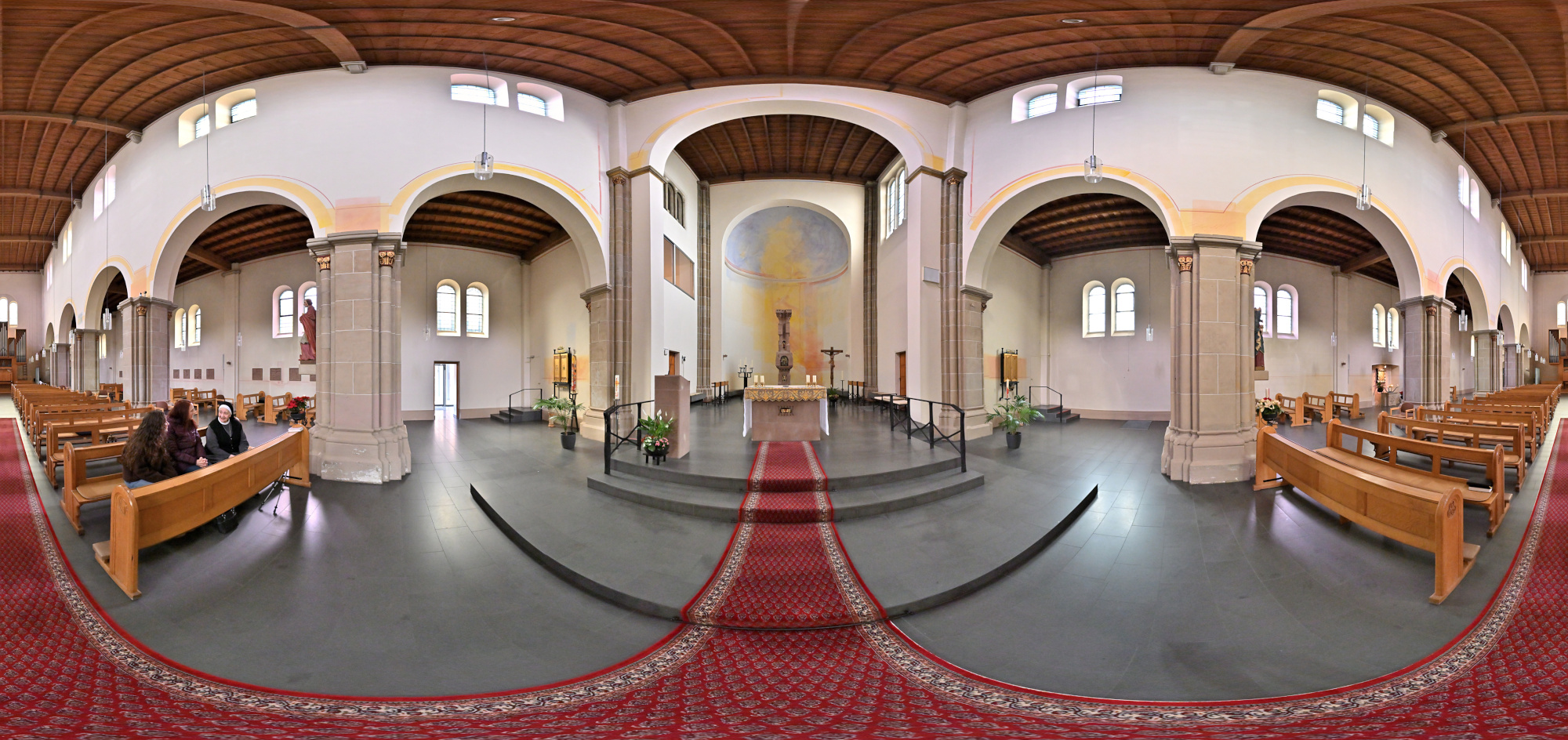
1/50s f/4 ISO 2000/34° f=7,5mm

Interaktives Panorama Sankt Josef 2
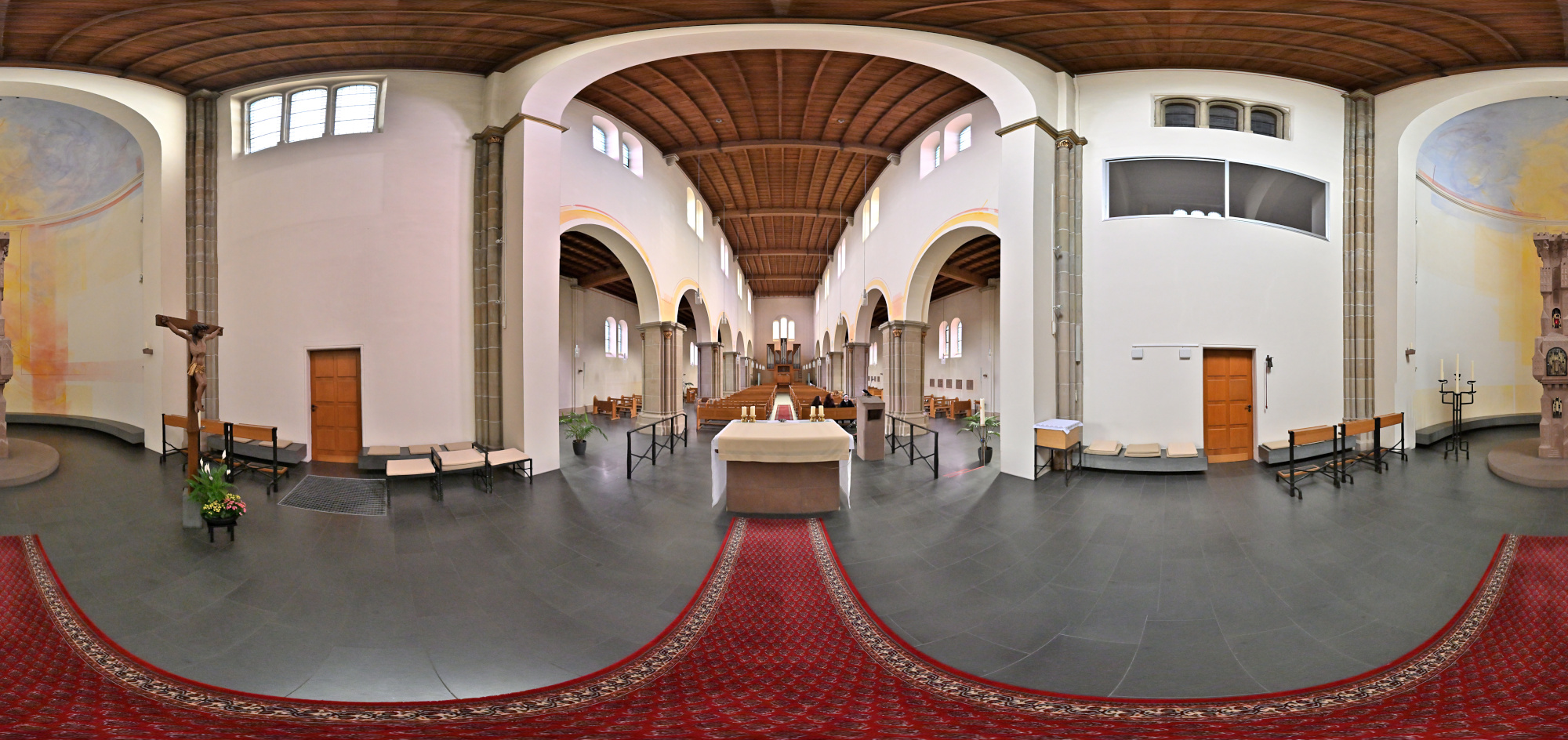
1/50s f/4 ISO 2000/34° f=7,5mm

1/125s f/2,8 ISO 2500/35° 16-50mm f/2,8 VR f=16mm/24mm
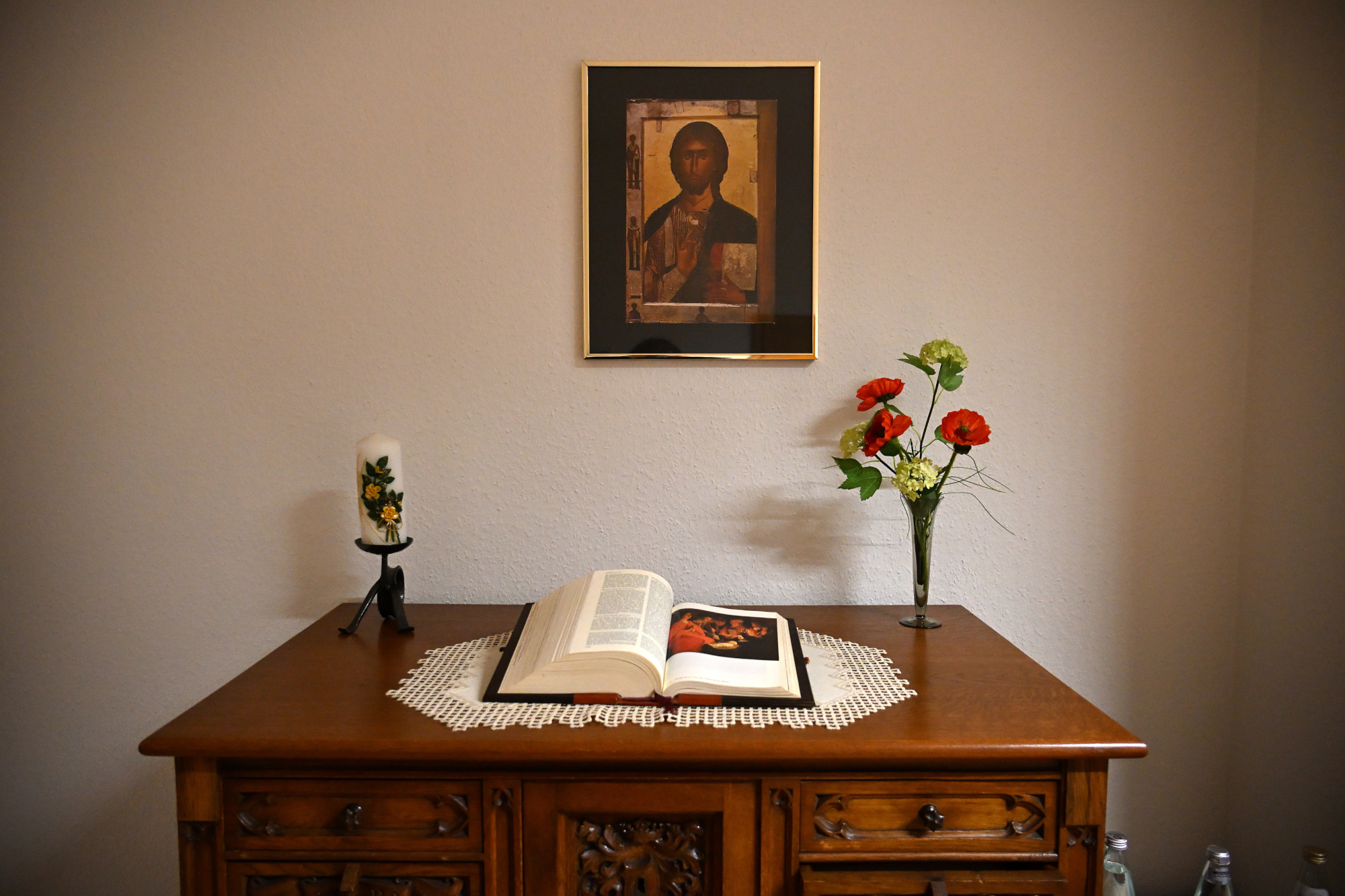
Zum Ende des Tages machen wir uns auf den Weg zurück.
A drive along the Hunsrückhöhenstraße takes us to the Monastery of Saint Josef.
The former Redemptorist monastery Saint Josef in Trier displays a clear Neo Romanesque architectural style made of red sandstone. Characteristic features include the rows of round arched windows and the balanced structure of the facades, which give the building a calm and focused appearance. The church was originally designed as a three aisled pillar basilica with cross vaults and received plain flat ceilings after war damage, giving the interior a brighter and more restrained atmosphere today. Distinctive elements such as the choir flank towers and the round stair towers on the east side continue to shape its appearance.
Since the nineteen seventies the monastery complex has been run by the Sisters of Saint Charles Borromeo as a spiritual and communal center.
1/100s f/4 ISO 100/21° f=7,5mm
1/125s f/6,3 ISO 100/21° 16-50mm f/2,8 VR f=16mm/24mm
1/30s f/2,8 ISO 800/30° 16-50mm f/2,8 VR f=16mm/24mm
1/30s f/2,8 ISO 800/30° 16-50mm f/2,8 VR f=16mm/24mm
1/30s f/2,8 ISO 800/30° 16-50mm f/2,8 VR f=17mm/26mm
1/20s f/2,8 ISO 800/30° 16-50mm f/2,8 VR f=17mm/26mm
1/25s f/2,8 ISO 800/30° 16-50mm f/2,8 VR f=17mm/26mm
1/20s f/2,8 ISO 800/30° 16-50mm f/2,8 VR f=17mm/26mm
1/40s f/3,2 ISO 800/30° 16-50mm f/2,8 VR f=17mm/26mm
1/15s f/2,8 ISO 100/21° 16-50mm f/2,8 VR f=24mm/36mm
Interactive Panorama Saint Josef 1
1/50s f/4 ISO 2000/34° f=7,5mm
Interactive Panorama Saint Josef 2
1/50s f/4 ISO 2000/34° f=7,5mm
1/125s f/2,8 ISO 2500/35° 16-50mm f/2,8 VR f=16mm/24mm
At the end of the day we make our way back.
Seite 1 von 23
Ältere Beiträge →